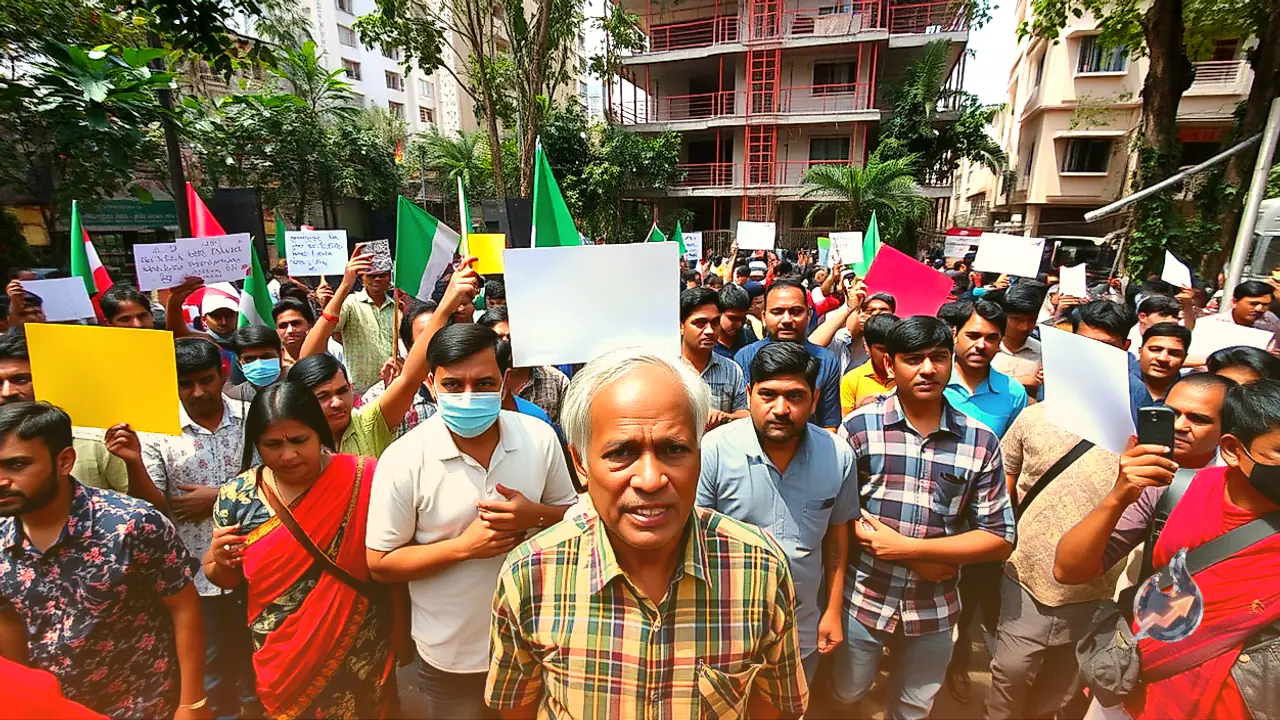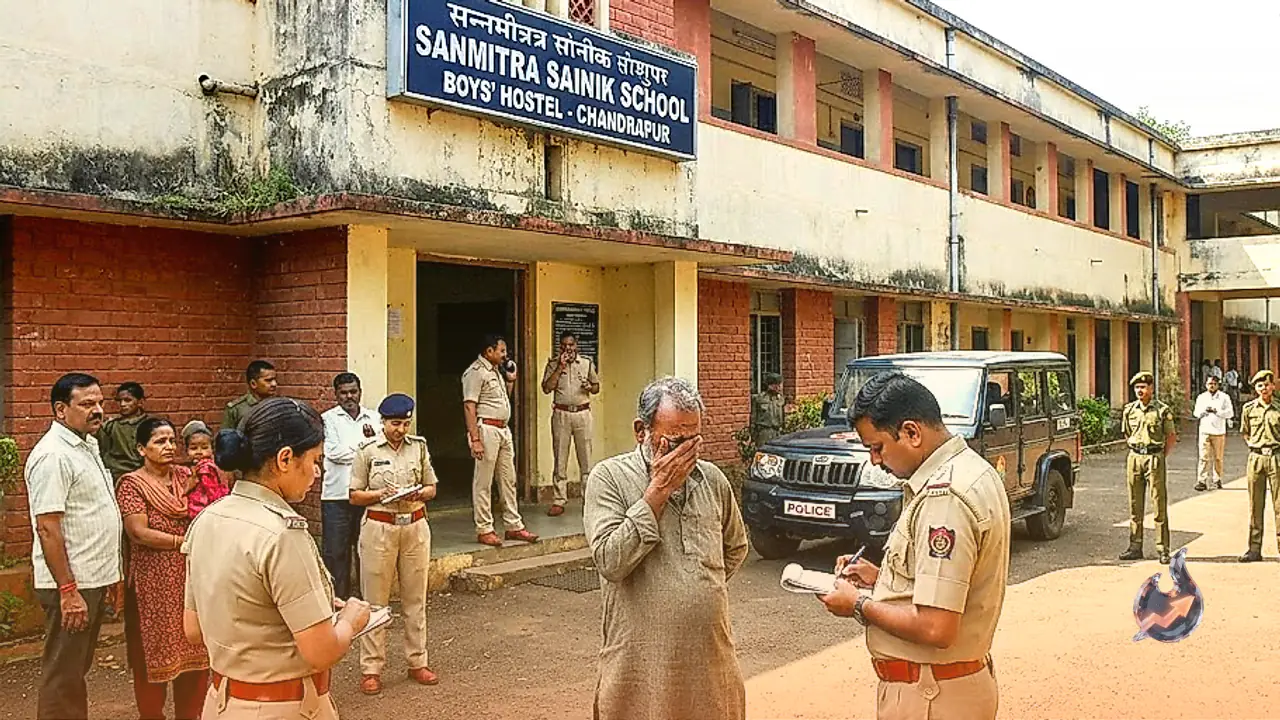





















A severe environmental and public health crisis has surfaced in Nashik, Maharashtra, casting a heavy shadow over preparations for the upcoming Kumbh Mela. Laboratory analysis of groundwater extracted from Nashik's industrial hub of Ambad revealed alarming concentrations of hexavalent chromium, a notoriously hazardous and cancer-causing industrial chemical. According to findings highlighted by the South Asia Network on Dams, Rivers and People, the levels of this toxic compound exceed the permissible drinking water threshold by more than 1,000 times. Environmental observers and residents are deeply alarmed, as local runoff channels are feared to be carrying this contaminated water directly into the Godavari River.
The revelation is especially critical given that the stretch of the river suspected of receiving this toxic drainage encompasses sacred ghats where millions of devotees are expected to gather and perform ritual ablutions during the Kumbh Mela. Failure to address this issue promptly could turn a local industrial contamination event into a massive public health emergency.
Alarming Lab Findings and Severe Regulatory Breaches
In a statement released on October 8, the South Asia Network on Dams, Rivers and People detailed the chemical composition detected in water samples gathered from Ambad. The laboratory evaluation measured total chromium at an extraordinary concentration of 50.5 milligrams per litre. Significantly, hexavalent chromium alone constituted 50.3 milligrams per litre of that total, demonstrating that virtually the entire heavy metal burden in the water is in its most hazardous valence state.
Under drinking water standards laid down by the Bureau of Indian Standards, or BIS, the maximum acceptable concentration of total chromium is strictly fixed at 0.05 milligrams per litre. Comparing this benchmark to the 50.3 milligrams per litre observed in Ambad reveals that the chemical is present at more than 1,000 times above the safe regulatory limit. Such an astronomical margin raises grave questions about ecological enforcement, industrial dumping, and public safety. To verify these findings and understand the true geographical spread of the contamination, independent monitoring and comprehensive sampling by statutory government bodies and pollution regulators remain urgent imperatives.
Health Hazards: From Severe Dermatitis to Carcinogenic Risks
Hexavalent chromium is widely documented as an exceptionally toxic heavy metal derivative. Medical research firmly classifies it as a human carcinogen, meaning prolonged or repeated exposure significantly increases the incidence of malignant cancers. In addition to long-term systemic dangers, direct physical contact with water containing the chemical can trigger intense skin irritation, severe rashes, chemical burns, and debilitating allergic reactions.
The South Asia Network on Dams, Rivers and People reported that numerous residents living in and around Ambad have already been experiencing recurring skin disorders and related ailments. Nevertheless, establishing a definite epidemiological and pathological link between these symptoms and the contaminated aquifer will require thorough clinical screenings and structured scientific research. Given that suburban and industrial households frequently depend on groundwater for basic domestic chores, including bathing and washing, any inadvertent utilization of this toxic supply places families in immediate jeopardy.
Drainage Channels Threaten the Sacred Godavari River
Beyond the local residential impact, the threat to the Godavari River introduces major ecological and spiritual implications. The organisation expressed deep concern that polluted groundwater and industrial effluence from Ambad are draining through local nallahs and stormwater paths straight into the river basin. Should formal regulatory investigations confirm this pathway, the pollution will no longer remain a subterranean issue confined to an industrial cluster, but will actively compromise the water quality and riparian ecology of one of India's most revered river systems.
Presently, exhaustive technical data regarding the dispersion rate, dilution factors, and exact water quality across individual riverbanks remain incomplete. Consequently, authorities and researchers note that it is premature to conclude that every ghat along the Godavari or all designated pilgrimage bathing sites are actively compromised. Continuous mapping of the drainage paths is essential before final conclusions are reached.
Devotee Safety and Unanswered Administrative Questions
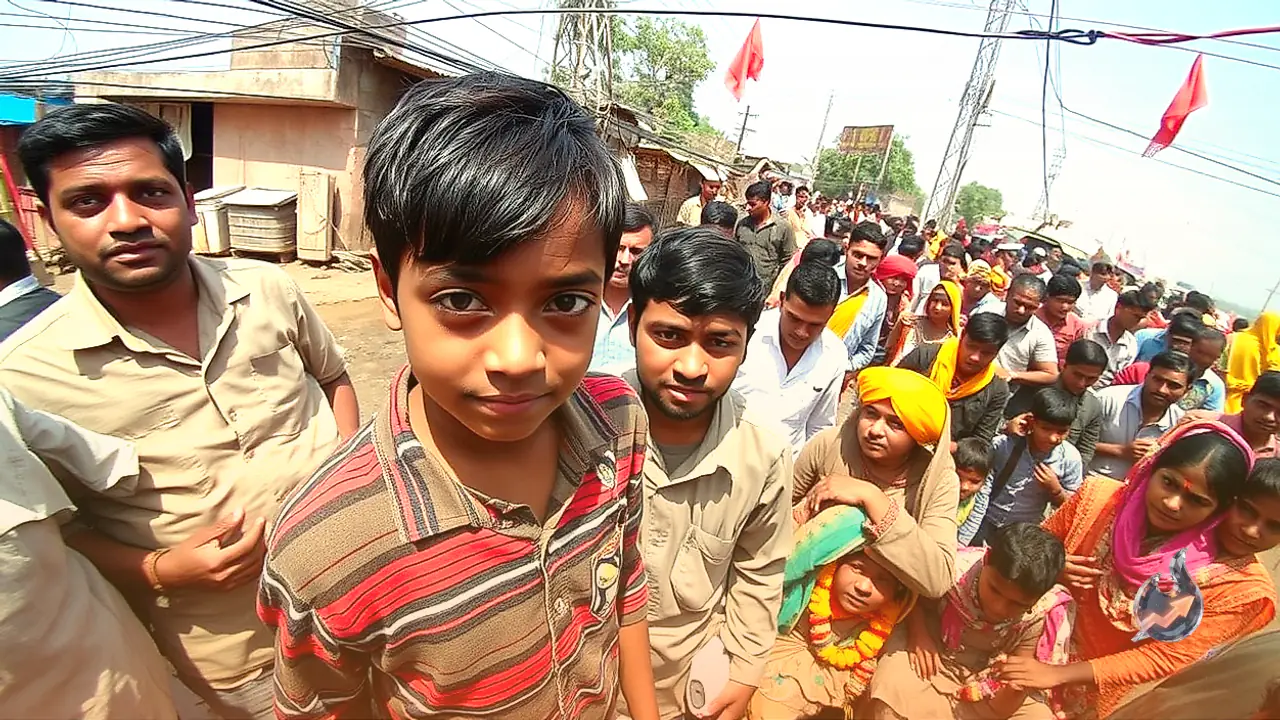
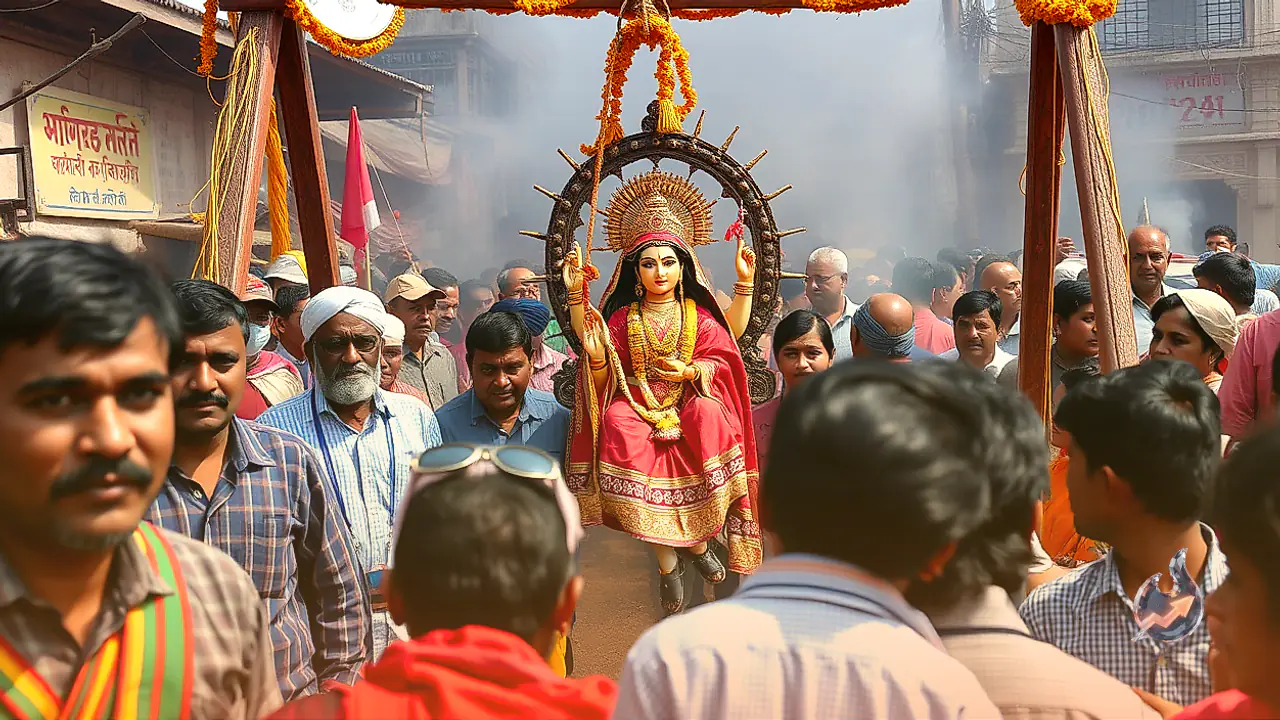
The Kumbh Mela in Nashik attracts millions of pilgrims and saints from across India and around the globe, all converging on the Godavari ghats to take holy dips. If industrial toxins infiltrate the exact bathing zones utilized by these congregations, the physical well-being of countless pilgrims could be seriously endangered.
Crucial questions remain entirely unanswered regarding the precise industrial origin of this contamination, the exact volume entering the natural streams, and the timeline for municipal remediation. Authorities face immediate pressure to locate and seal the offending discharge sources, safeguard the municipal and domestic water distribution networks for Ambad residents, and conduct exhaustive re-testing of the water table. Disclosing these findings transparently to the public prior to the commencement of the Kumbh Mela is vital to maintaining public trust and safeguarding human health.