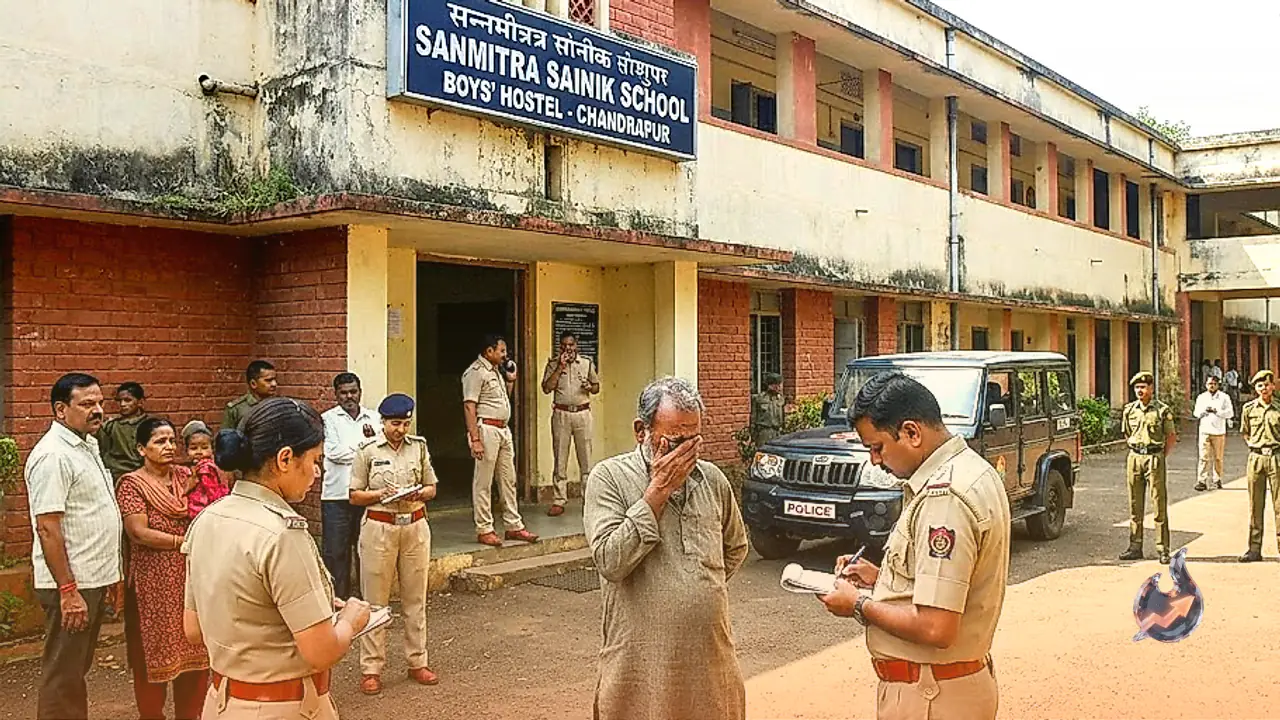



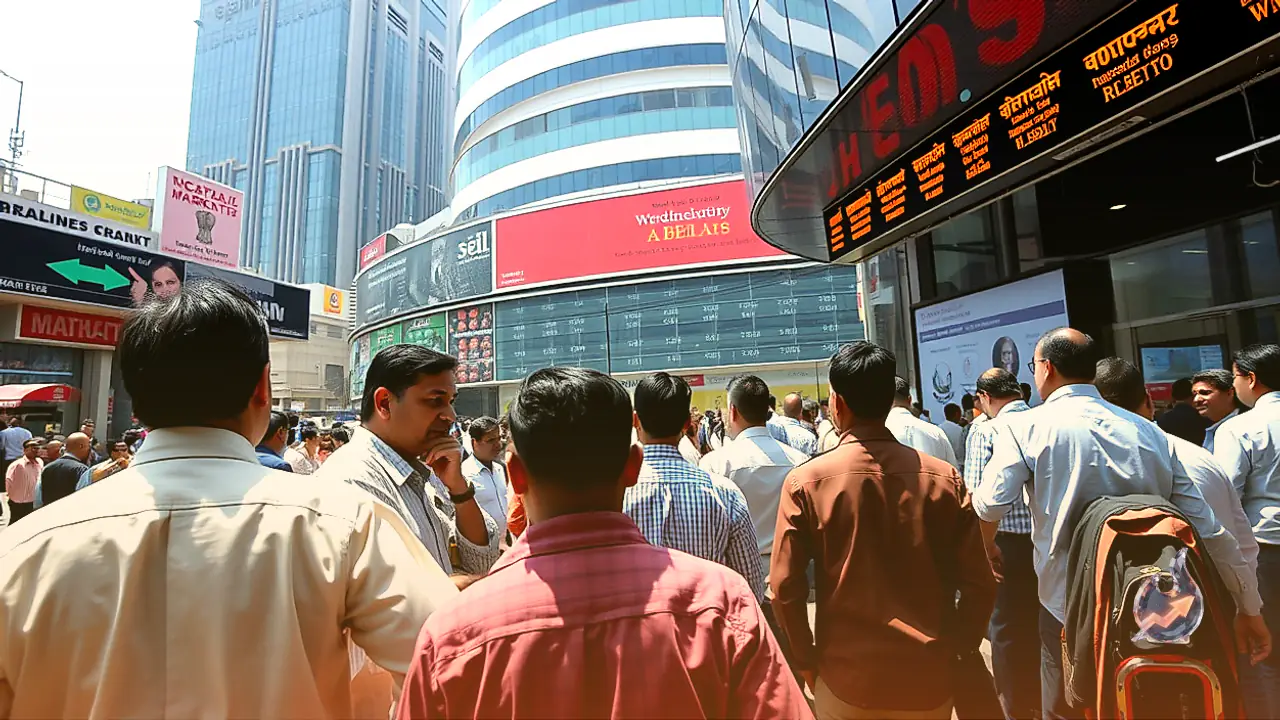


















When buyers invest substantial sums in high-rise apartments outside crowded urban centers, natural surroundings and quiet open spaces are often the primary deciding factors. That was precisely the expectation of 46-year-old Tushar Shetty, a resident of Thane near Mumbai, who purchased an apartment on the 21st floor of a residential tower just five months ago. Drawn by panoramic green vistas stretching across the horizon, he expected a peaceful environment for his family. Today, that entire landscape has been reduced to bare red earth after extensive land clearing. Global technology giant Amazon has begun work on a sprawling data centre project on the site, stripping away trees and vegetation. Sharing his frustration, Tushar Shetty noted that had he known about the planned construction metres from his doorstep, he would never have chosen to buy property there.
Massive AI Infrastructure Landing Right Next to Neighborhoods
India is positioning itself to serve as the physical backbone for the global artificial intelligence boom, aligning with Prime Minister Narendra Modi's drive to host global data within the country. In pursuit of this objective, multinational technology giants including Amazon, Google, and Microsoft are committing billions of dollars toward high-capacity infrastructure. As part of this expansion, Amazon is deploying 21 billion dollars, roughly 1.90 lakh crore rupees, to build out advanced AI infrastructure scheduled for completion by 2030. The planned site near Mumbai is slated to become one of the largest data centre campuses in the country, yet its boundary sits mere metres from residential apartments where thousands of people reside.
Grassroots Demonstrations and Political Backing
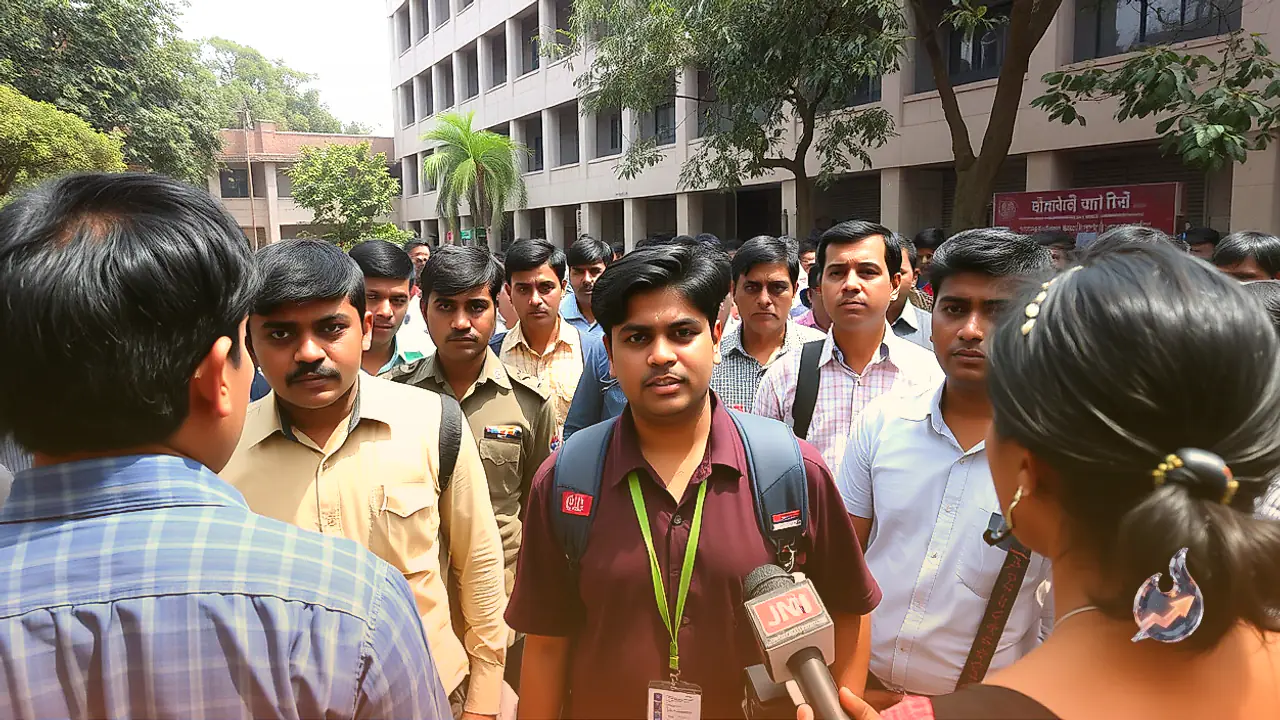
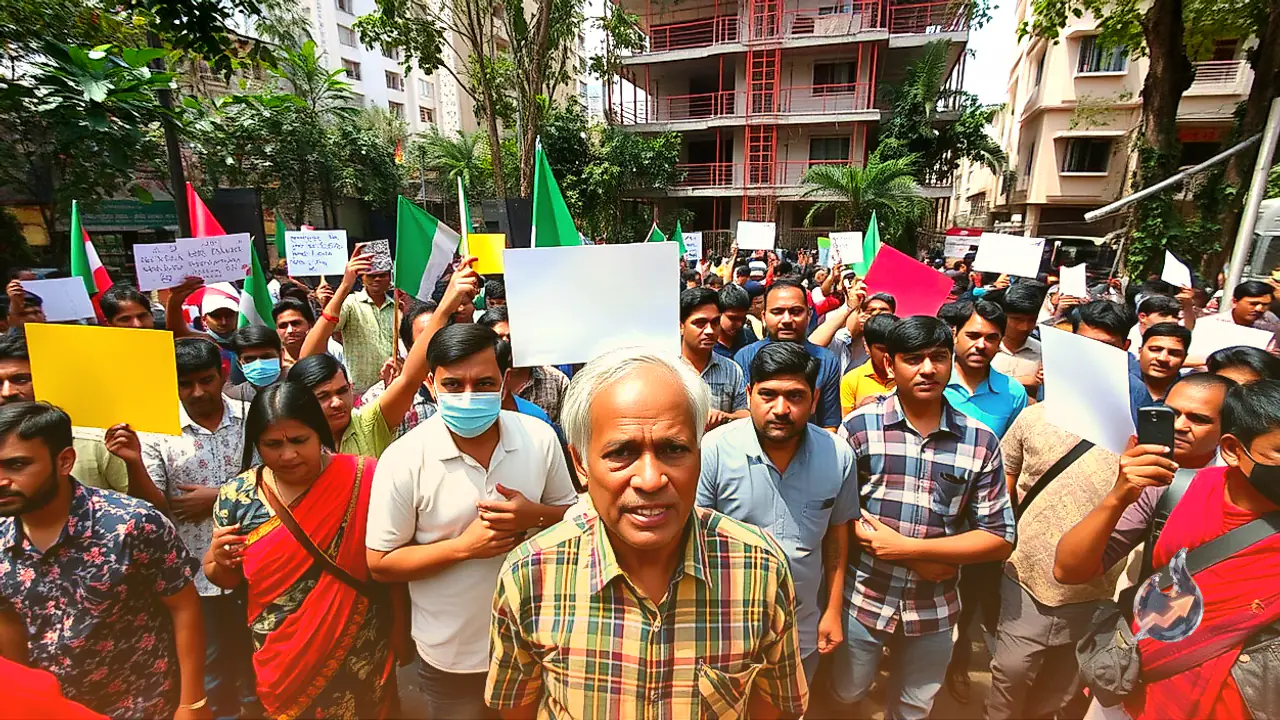
The construction of heavy industrial computing facilities so close to family homes has triggered strong pushback across the neighborhood. Protests have broken out outside the project perimeter, with residents united in demanding that the facility be relocated away from densely populated residential developments. Opposition politicians have joined the protests alongside local citizens, intensifying the dispute. Residents argue that while digital expansion is vital, it should not come at the expense of established living standards and stripped natural ecosystems.
Severe Water Constraints and Resource Pressures
While data facilities power the computing demands of modern technology, their cooling systems and massive servers consume extraordinary amounts of electricity and water. This creates an acute challenge in a country like India, which houses roughly 18 percent of the global population while holding only 4 percent of the world's potable water resources. Siting water-intensive server farms near expanding suburban hubs threatens to place severe stress on shared utilities. Global financial services agency S&P estimates that between 60 and 80 percent of data centres will face serious water shortages within the coming decade. In 2025 alone, data facilities consumed approximately 150 billion litres of water, a consumption volume projected to double by 2030.
Concerns Over Noise and Living Quality
Homeowners in the vicinity have voiced urgent concerns regarding round-the-clock cooling noise, increased heavy vehicular traffic, and potential strains on neighborhood power grids and municipal water networks. In response, corporate representatives and local authorities have disputed the complaints, insisting that the infrastructure will not disrupt public amenities or community quality of life. Even so, the immediate disappearance of trees and natural terrain has permanently altered the suburban surroundings, highlighting the complex clash between high-tech infrastructure development and residential environmental preservation.