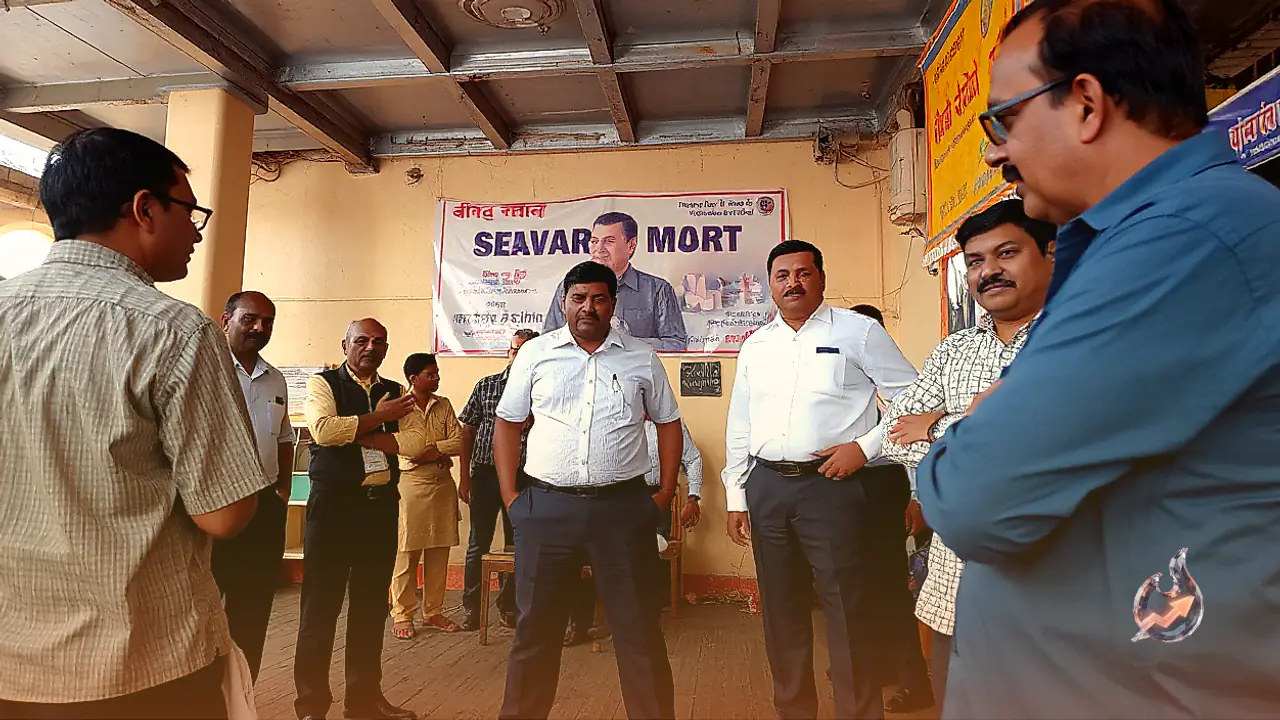



















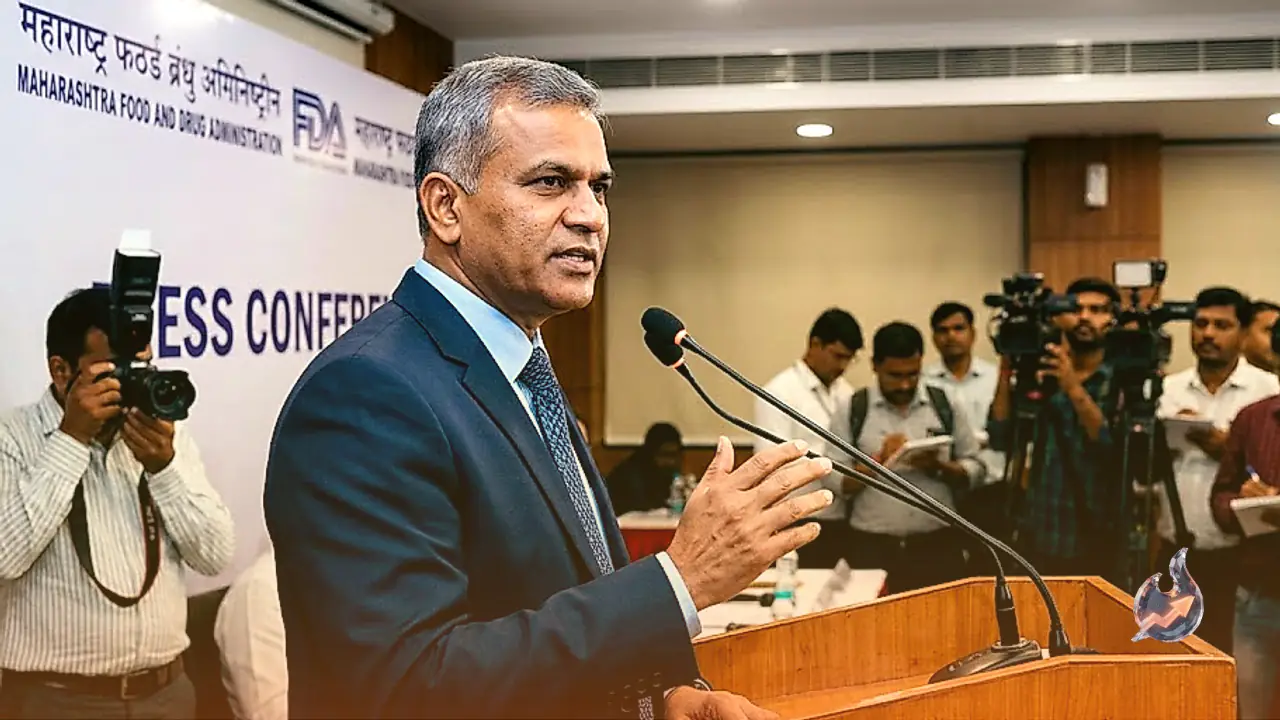

Maharashtra has moved away from issuing isolated and ad-hoc directives for food safety during individual festivals, establishing a consolidated operational framework for the entire year. The state Food and Drug Administration has rolled out a unified protocol spanning from Eid to Diwali, standardizing regulatory actions across all celebrations. Maharashtra Food and Drug Administration Commissioner Tukaram Munde stated that this marks the first time in India that an administrative order addressing food safety enforcement has been established for all twelve months.
A Structured Year-Round Regulatory Framework
The state has formulated a systematic advance plan to govern food safety compliance throughout every month of the calendar. By setting specific protocols for major religious and cultural observances including Eid, Holi, Diwali, and Bakri Eid, the administration aims to curb irregularities before they occur. Tukaram Munde explained that the core objective behind this initiative is to ensure that citizens have access to wholesome and safe food during every festive occasion throughout the year.
Standardized Rules for Every Celebration
Detailing the background of the initiative, Tukaram Munde noted that the agency had previously introduced the safe food and safe drug concept. Demand for consumable goods surges significantly during festive periods, which frequently leads to a compromise in product quality. Although food safety regulations already existed in Maharashtra and enforcement actions were routinely carried out based on specific incidents, there was previously no continuous regulatory framework spanning the entire year. To bridge this gap, a comprehensive administrative order took effect on September 3, establishing uniform legal guidelines applicable to all communities.
Star-Based Risk Categorization of Festivals
The state food safety regulator has categorized annual festivals using a star-based system by analyzing historical trends of food adulteration associated with specific seasonal items. For instance, traditional sweets like tilgul consumed during Makar Sankranti carry specific contamination risks, while milk-based confections and malpua during Holi or Eid present distinct quality challenges. Under the new protocol, community feasts and mass feeding events organized during festivals must adhere to structured guidelines, requiring organizers to submit prior details regarding food preparation to the FDA.
Multi-Tier Planning and Four-Level Inspection Protocol
The year-round monitoring mechanism spanning from January to December classifies festivals into three distinct tiers depending on the historical volume of adulteration reported during each period. Furthermore, food inspections during festive windows will be conducted across four distinct operational levels. The parameters and food categories subjected to testing will dynamically shift based on the specific festival. Specialized testing protocols have been established for fasting items, edible oils, dry fruits, bakery products, and food ordered through online delivery platforms. Community meals, religious offerings, and langars will also undergo rigorous laboratory testing, alongside mandatory regular training programs for event organizers.
Detailed Breakdown of the Four Inspection Levels
Food safety enforcement during major festive periods will follow a strict four-level hierarchy. The first level encompasses major state-level celebrations such as Ganeshotsav and Navratri, backed by a dedicated planning window of fifteen to twenty-one days involving stringent enforcement of compliance standards. The second level covers observances like Mahashivratri and Makar Sankranti, managed through a one to fourteen-day operational plan. The third tier focuses on local confectionery and sweet shops, while the fourth level involves follow-up administrative actions implemented up to thirty days after the conclusion of a festival.
Tukaram Munde Responds to Judicial Remarks
Addressing queries from the media, Tukaram Munde remarked that he is well aware he is not a deity. This statement is widely perceived as a reference to observations made by the Bombay High Court during a judicial hearing, where the bench questioned whether he considered himself capable of arbitrary actions. Munde noted that since assuming charge as the commissioner of the state food safety regulator, the overall volume and output of official enforcement actions have increased by three hundred percent.