















A transformative infrastructure milestone is arriving in Maharashtra's prominent industrial and educational hub as Prime Minister Narendra Modi prepares to inaugurate and launch metro works worth nearly Rs 21,800 crore on November 3. The high-profile event marks the official operational rollout of the much-awaited Pink Line, alongside laying the foundation stone for the extensive second phase of the city's urban mass transit network. This comprehensive capital infusion aims to radically ease surface traffic congestion and modernize urban mobility across the expanding metropolis.
Connecting Hinjewadi Technology Hub with Shivajinagar
Spanning a distance of 23 km, the newly constructed Line-3 bridges the gap between the bustling Hinjewadi IT park and the central locality of Shivajinagar. Built with an expenditure exceeding Rs 8,300 crore, the corridor directly targets the severe bottleneck experienced by thousands of daily office-goers and technology professionals commuting between central residential quarters and suburban software campuses. The transit link drastically slashes transit durations while featuring state-of-the-art security installations, energy-saving rolling stock, and specialized barrier-free infrastructure tailored for differently-abled commuters.
Women Operators and Solar Power at the Core
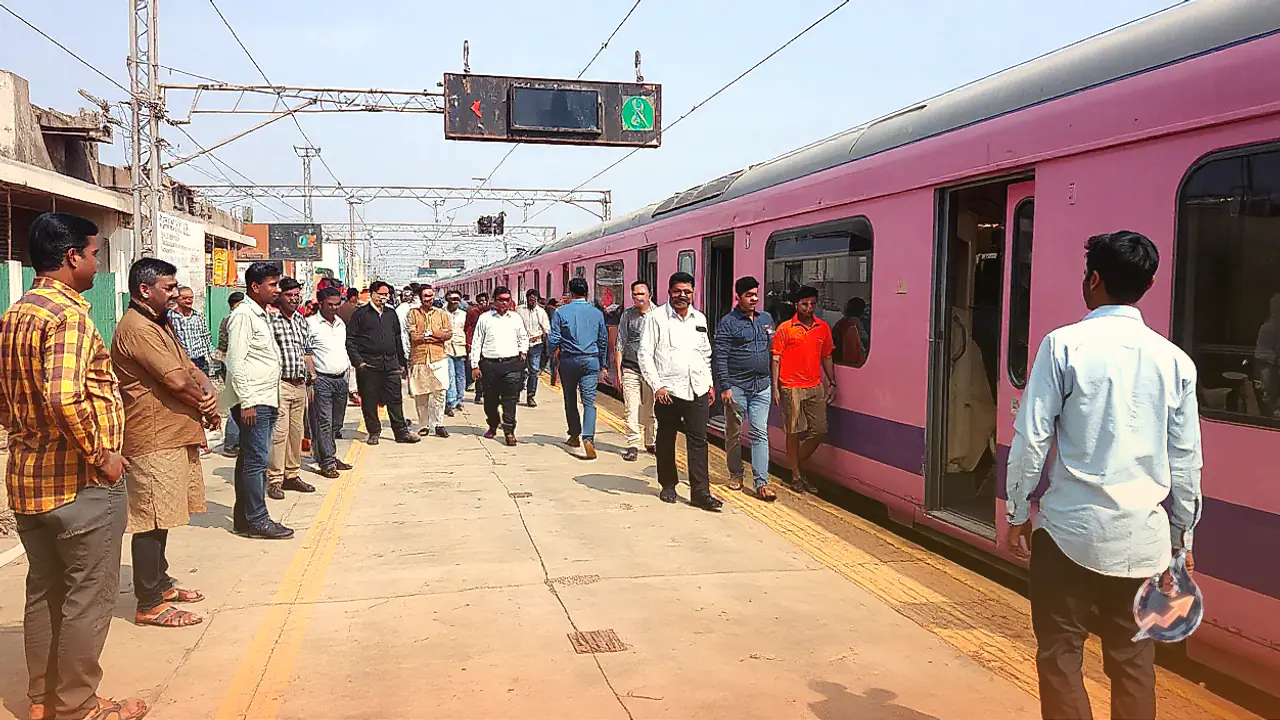
A distinctive hallmark of Pune Metro's new Pink Line lies in its operations and sustainability design. The entire train-driving fleet for this corridor will be steered by women operators, presenting a progressive benchmark in workforce inclusivity. Concurrently, environmental responsibility forms an integral part of operations, with roughly 30 percent of the corridor's total power requirements scheduled to be fulfilled through dedicated solar energy installations. This operational framework combines clean urban transit with practical renewable energy integration.
Phase 2 Expansion to Modernize Suburban Corridors
In addition to launching commercial services on the Hinjewadi-Shivajinagar stretch, the foundation ceremony will formalize the commencement of Phase 2, estimated to cost around Rs 13,500 crore. This extensive secondary stage incorporates lines 2A, 2B, 4, and 4A into the master transport grid. Once executed, the planned alignments will provide rapid rail coverage to major residential zones, commercial establishments, and sprawling industrial hubs across previously unserved sectors.
Seamless Integration Across Key Urban Nodes
The upcoming network corridors are designed to establish seamless links connecting vital hubs including Kharadi, Hadapsar, Swargate, and Khadakwasla, among several other prominent localities. Significant capital out of the overall Rs 21,800-crore outlay has been allocated toward structural civil works and land acquisition for these future routes. Engineers have designed the Phase 2 alignments to link cohesively with the existing metro lines as well as local and intercity bus terminals, creating an interconnected transit grid for regional commuters.