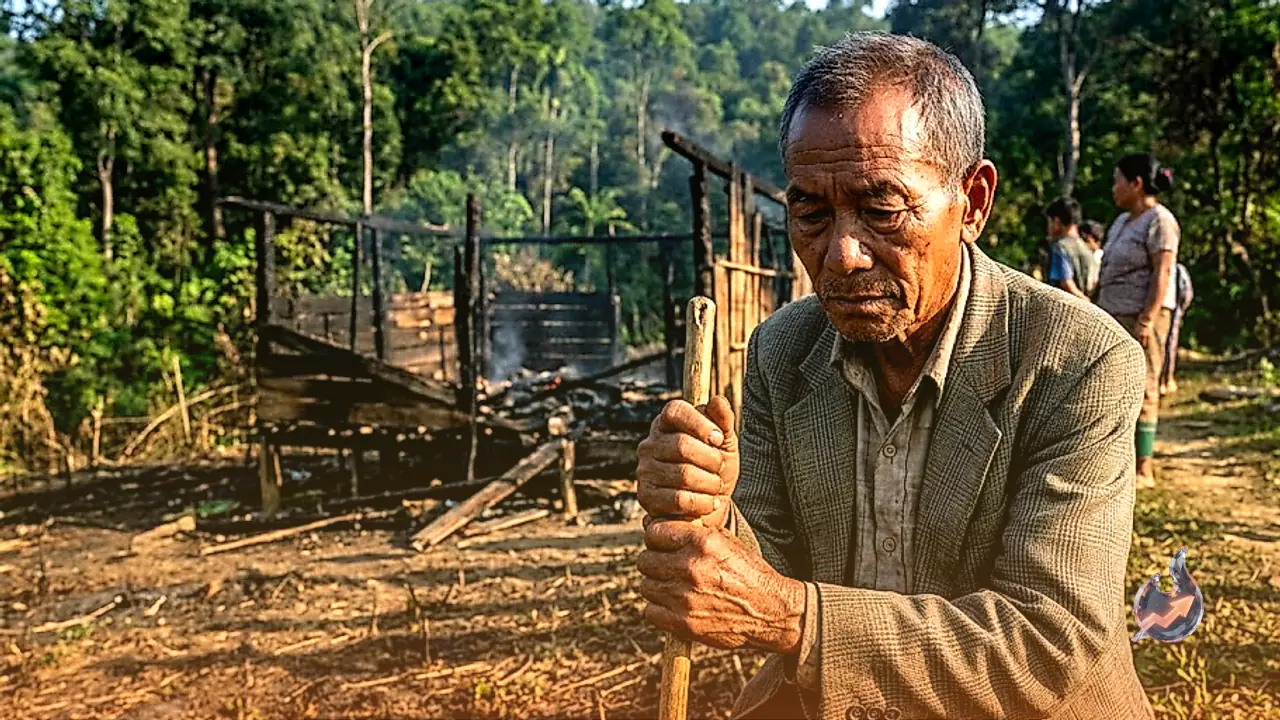

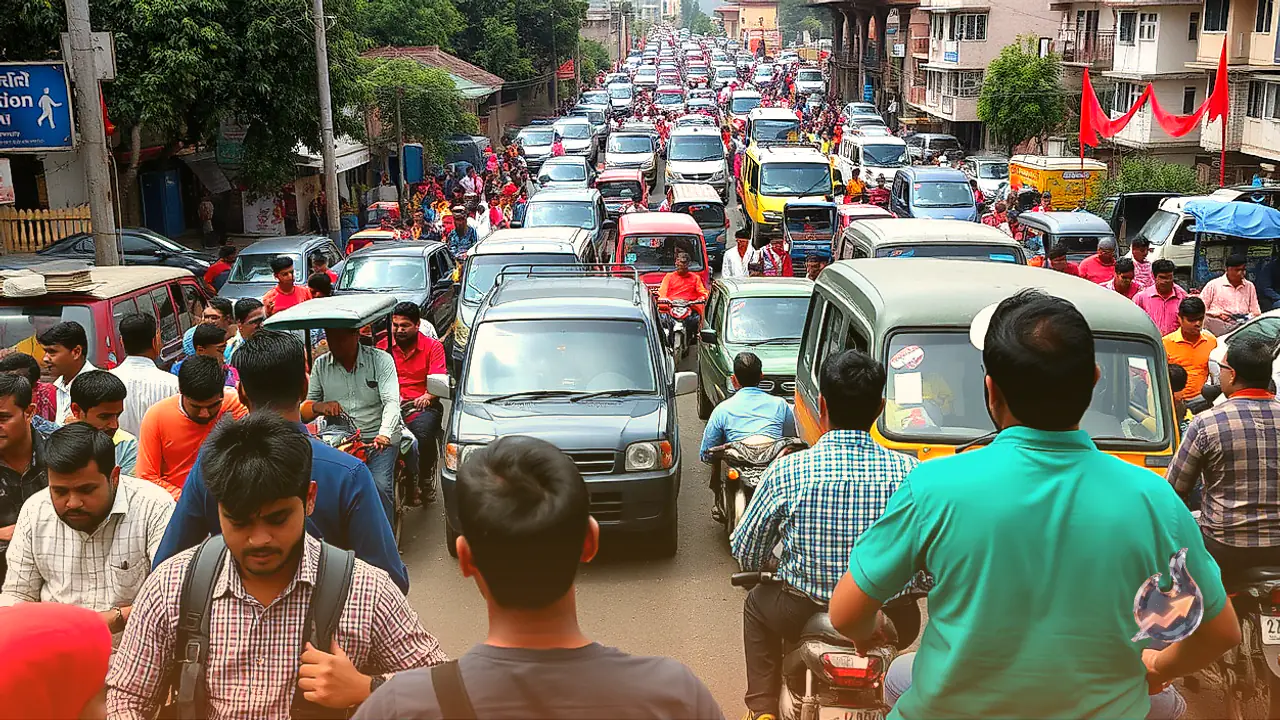



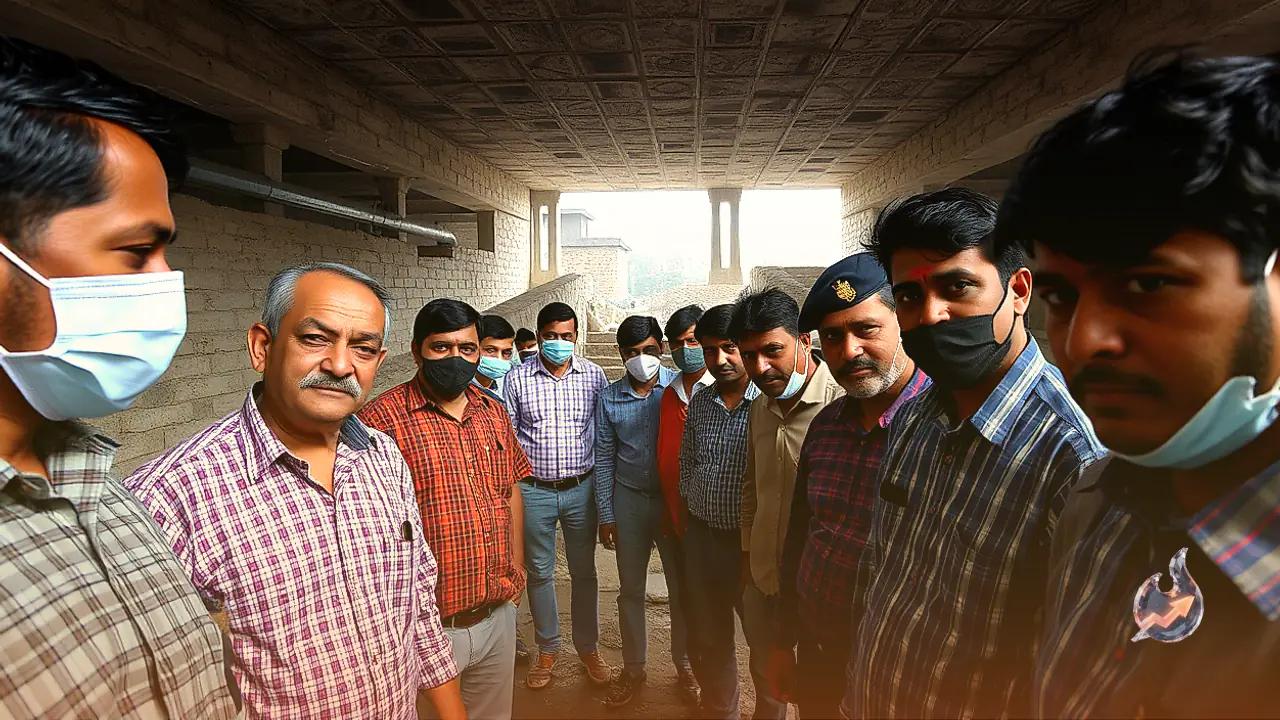

















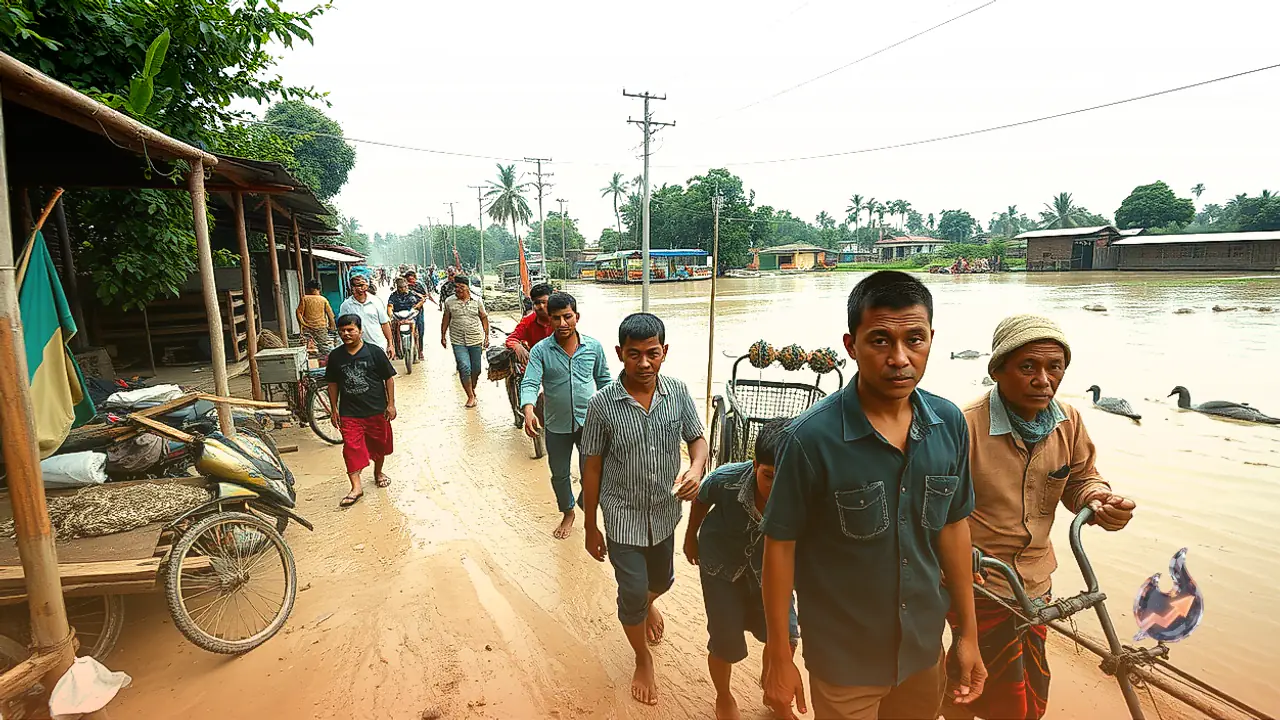

Cross-border narcotics networks operating out of Myanmar have rapidly turned India's eastern boundary into the country's most vulnerable trafficking corridor. Security authorities indicate that transnational criminal syndicates are capitalizing on regional instability across the Northeast, particularly within Manipur, to transport extensive consignments across international borders. While law enforcement personnel remain deeply engaged in managing local civil unrest and maintaining public order, trafficking rings seize the tactical window to push massive shipments of illegal substances deep into Indian territory.
Parliamentary Data Reveals Steep Jump in Contraband Confiscations
Official records presented to the Lok Sabha in March 2026 highlight a dramatic rise in drug interceptions across the frontier zone. Law enforcement personnel in Assam seized 31,706 kg of narcotics, while Tripura registered recoveries totaling 46,346 kg. In Mizoram, confiscations climbed steadily from 1,967 kg during 2024 to 2,233 kg over the course of 2025. Another state within the northeastern territory experienced an even sharper surge, escalating from 284 kg in 2024 up to 2,556 kg in 2025. The Narcotics Control Bureau had characterized the volume originating from Myanmar in 2025 as dramatic. Even with these record-setting impoundments, however, illicit inflows have not diminished.
Engineered Clashes Used to Distract Security Deployments
Intelligence assessments indicate that manufacturing activity by these syndicates jumped roughly three-fold in 2026. According to an Intelligence Bureau official, criminal cartels consistently try to turn ongoing civil conflict in the Northeast to their advantage. Investigative findings show that syndicates have repeatedly engaged local contacts to aggravate volatile community disputes and ignite public unrest. Prolonged disturbances lasting weeks or months draw frontline security forces away from frontier vigilance and into law-and-order duties, allowing cartels sufficient operational space to move bulk consignments across the border unhindered.
Global Shifts in Opium Supply Elevate Myanmar's Output
Strategic changes across global narcotics pipelines have accelerated this shift toward India's eastern frontier. The Taliban's ban on poppy farming across Afghanistan created a massive supply void, allowing producers based in Myanmar to take over the market. Myanmar has consequently emerged as the globe's foremost opium producer, with cultivated land expanding to 53,100 hectares in 2025 based on data cited by an official. Alongside plant-based opiates, these organizations run extensive industrial facilities producing synthetic narcotics. High domestic demand inside India is driving exceptionally heavy inflows of methamphetamine.
Immense Cartel Wealth and Difficult Frontier Geography
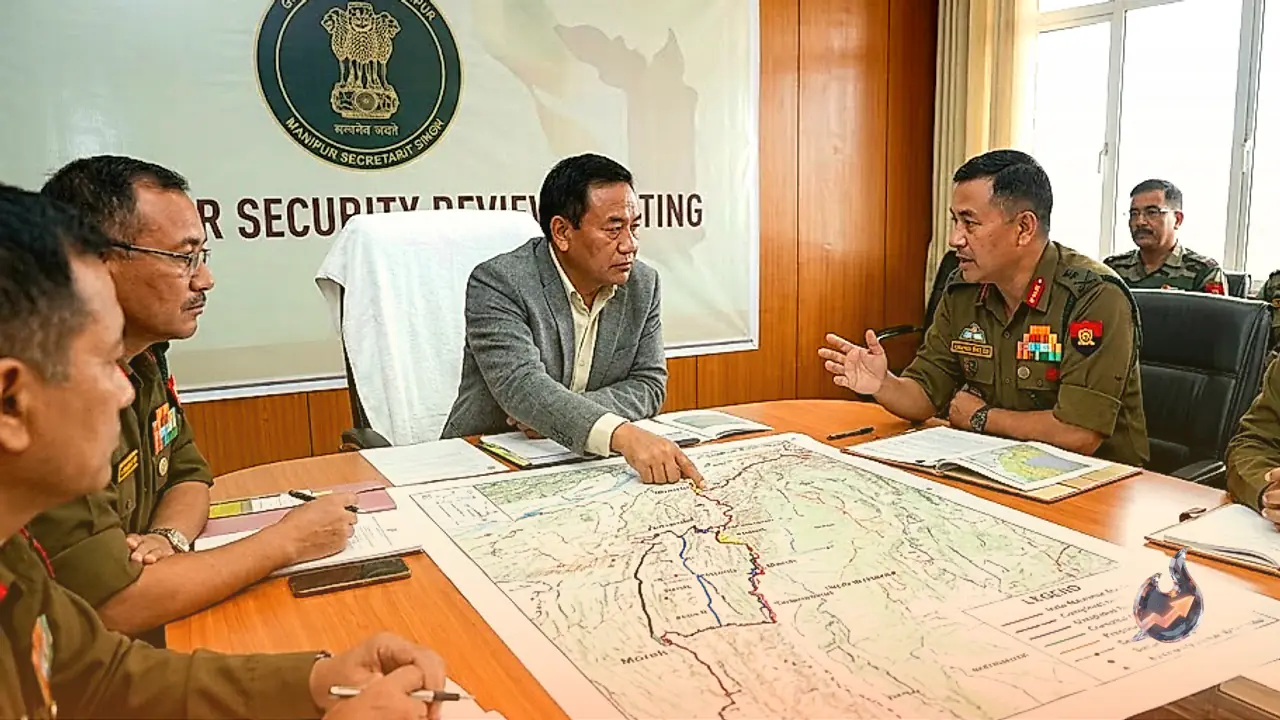
A senior security official remarked that the cartels possess astonishing financial resources, observing that their collective assets could easily surpass the budget of a sovereign government. Such immense capital reserves enable criminal rings to effortlessly absorb operational setbacks when consignments are intercepted and swiftly establish alternative distribution channels. Ground movement relies heavily on the Moreh-Tamu transit sector as the central corridor for cargo handovers. Interdiction efforts face severe hurdles along the India-Myanmar boundary due to porous boundary segments combined with dense jungles and mountainous terrain.
Inter-Agency Busts and Bilateral Enforcement Hurdles
Operational coordination between the Narcotics Control Bureau and the Assam Rifles has resulted in major seizures during the past two to three years. Nevertheless, active poppy fields inside Myanmar remain entirely beyond the jurisdictional reach of Indian authorities. While officials from New Delhi and Naypyidaw have conducted numerous rounds of talks and pledged joint counter-narcotics measures, authorities acknowledge that neutralizing cartels of this magnitude will require considerable time. Intelligence agencies point out that while sustained crackdowns against Pakistan-based syndicates linked to figures such as Dawood Ibrahim and Haji Salim yielded solid results, the eastern frontier presents a far tougher enforcement landscape.