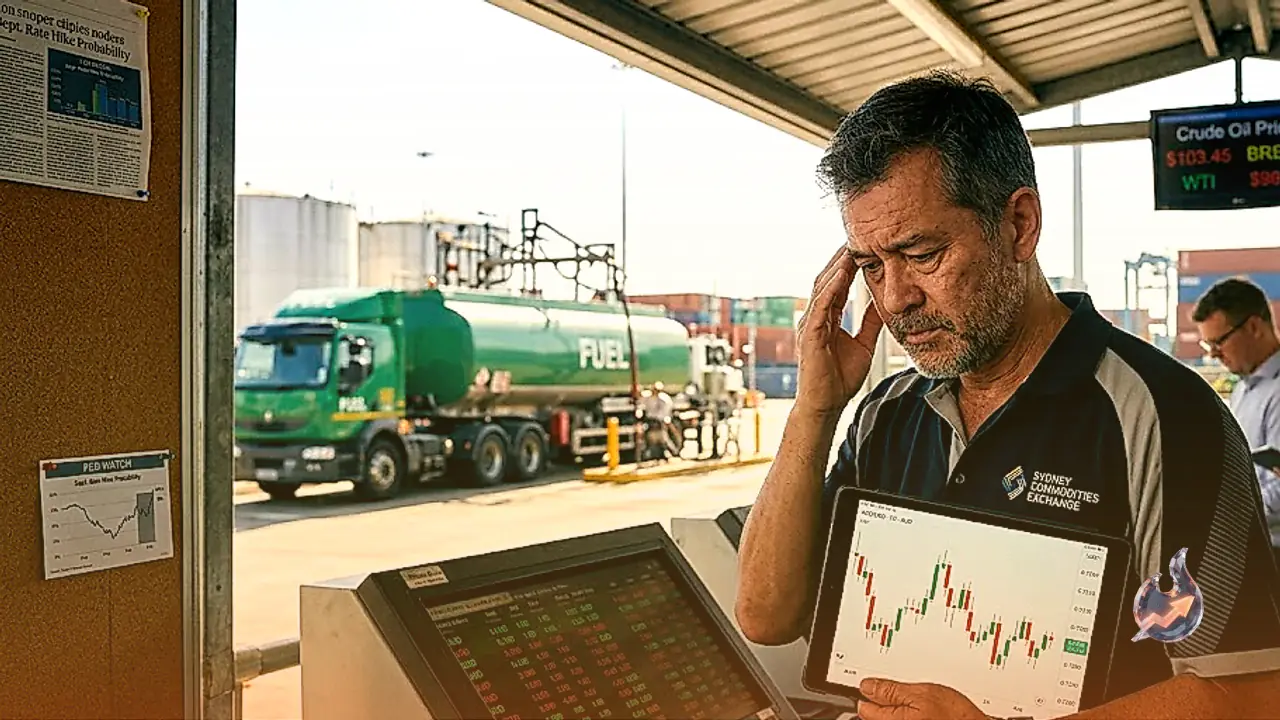

























Geopolitical tensions across the Middle East escalated dramatically following targeted military strikes conducted by US Central Command against oil tankers operating in key international waters. Military personnel launched precision actions against vessels located within the Gulf of Oman and near Iran's Kharg Island, a critical hub for maritime petroleum transport. Prior to executing the attacks, American forces ordered all ship crew members to abandon the targeted vessels to prevent loss of life. Defense officials revealed that the destroyed tankers belonged to an extensive shadow shipping network valued at multi-billion dollars. This covert maritime network reportedly functions as a vital financial channel, channeling funds directly to the Islamic Revolutionary Guard Corps and its network of regional proxy groups.
IRGC Issues Retaliation Warnings Against Regional Port Infrastructure
In response to the destruction of the maritime vessels, the Islamic Revolutionary Guard Corps issued stern warnings targeting maritime assets and military hosts in neighboring Gulf states. Iranian military leadership declared that commercial and naval vessels utilizing ports in Kuwait and Bahrain could face targeted military retaliation. The warning specifically highlighted facilities that host American military personnel and naval units. Simultaneously, security conditions worsened as Iran-backed Houthi militants launched renewed attacks against critical energy installations in Saudi Arabia. Houthi forces confirmed targeting the domestic market supply infrastructure as well as the strategic Jazan refinery, an essential facility possessing a daily refining capacity of 400,000 barrels of oil.
Crude Oil Price Movement and Benchmark Dynamics of WTI
Global energy markets reacted immediately to the military escalations unfolding across key Middle Eastern shipping lanes. West Texas Intermediate crude oil futures registered a modest gain of 0.13 percent during active trading, reaching $92.35 per barrel. West Texas Intermediate, widely recognized under the abbreviation WTI, serves as one of the primary pricing benchmarks for the global petroleum market alongside Brent crude and Dubai crude. Petroleum traders categorize WTI as a light and sweet crude oil due to its low relative density and low sulfur content. These chemical characteristics render WTI particularly high in quality and remarkably easy for refiners to process into gasoline and diesel. Physical supply of WTI is distributed primarily through the storage and pipeline infrastructure located at Cushing, Oklahoma, an essential market hub often referred to as the pipeline crossroads of the world.
Fundamental Factors Influencing International Oil Prices
The valuation of WTI crude oil is governed by complex fundamental forces rooted in global supply and demand dynamics. Macroeconomic expansion typically stimulates industrial activity and fuel consumption, driving oil prices higher, whereas slowing global growth depresses market demand. Beyond economic cycles, geopolitical instability, military conflicts, and international economic sanctions frequently cause sudden disruptions to physical crude supplies, leading to sharp price movements. Furthermore, policy decisions formulated by major petroleum-producing nations heavily govern global supply conditions. Additionally, since international petroleum trading is denominated in United States Dollars, fluctuations in the strength of the dollar impact crude affordability for foreign buyers, with a weaker dollar generally rendering oil more accessible and supporting higher prices.
Role of Weekly API and EIA Energy Inventory Reports
Energy traders and market analysts closely track weekly inventory disclosures to monitor real-time shifts in crude oil supply and demand balances. The American Petroleum Institute publishes its independent weekly inventory report every Tuesday evening, while the Energy Information Agency releases official government statistics the following day. Analytical comparisons reveal that the inventory figures provided by both organizations align closely, falling within 1 percent of each other in approximately 75 percent of reporting cycles. Despite this high correlation, financial markets accord greater credibility to the Energy Information Agency data because it originates from an official government entity. A reported decline in crude inventories typically signals robust consumer demand and exerts upward pressure on prices, whereas an inventory build indicates surplus supply and weighs on market values.
Impact of OPEC and OPEC+ Supply Management Policies
Production quotas established by major oil-exporting nations constitute another powerful structural driver of petroleum market valuations. The Organization of the Petroleum Exporting Countries comprises 12 core member nations that gather twice annually to determine collective production limits. Decisions by OPEC to reduce output quotas serve to restrict global crude availability, creating market tightness and driving prices upward. Conversely, decisions to expand production quotas increase overall market supply and put downward pressure on oil values. The broader operational framework known as OPEC+ includes ten additional non-OPEC member countries, with Russia standing as the most prominent external partner collaborating on unified supply stabilization initiatives.
Record Surge in US Diesel Crack Spreads Signals Refined Fuel Tightness
While benchmark crude oil prices displayed steady intraday movements, refined product markets signaled unprecedented structural tightness. The United States diesel crack spread, which measures the financial premium of ultra-low sulphur diesel futures relative to WTI crude oil, experienced an extraordinary rally. The crack spread breached the $100 per barrel mark for the first time in history, reaching a record intraday high of just over $102.00 per barrel. This historical widening of the crack spread highlights severe supply bottlenecks and rising operational refining costs, reflecting intense demand for middle distillates amid constrained global refining capacity.
Foreign Exchange Dynamics Across AUD/USD and USD/JPY Pairs
Foreign exchange markets displayed mixed trading patterns amid geopolitical uncertainty and evolving central bank interest rate expectations. The AUD/USD currency pair maintained a firm position above the 0.7200 level during Asian trading sessions, hovering close to its highest level recorded since May 14. Downward momentum in the United States Dollar provided support to the Australian currency, outweighing hawkish market bets surrounding the Federal Reserve and ongoing Middle Eastern geopolitical risks. Growing market expectations of an impending interest rate increase by the Reserve Bank of Australia provided an additional tailwind for the Australian Dollar, although mixed trade balance statistics from China limited further upside. Meanwhile, the USD/JPY pair fluctuated around 154.00 during American trading hours, rebounding after touching a six-month low below 153.00 earlier in the day. Upside moves in the pair appeared largely technical in nature, as strong Japanese wage growth data and revised second-quarter Gross Domestic Product figures solidified market expectations for a rate hike by the Bank of Japan.