























The Australian Dollar emerged as the top-performing currency among G10 peers this week, bolstered by acceleration in July inflation metrics and robust consumer demand. Strong household spending has sparked fresh debate over monetary tightening by the Reserve Bank of Australia. However, market experts at financial firm ING anticipate that the central bank will likely maintain a prolonged rate hold despite these emerging hawkish pressures.
RBA Policy Trajectory and AUD Dynamics
Data released on Thursday morning showed that Australian household spending surged 7 percent year-on-year in July, adding weight to arguments for higher interest rates. Market pricing currently reflects 12 basis points of tightening ahead of the upcoming 29 September meeting. However, macro analysts at ING suggest this pricing is vulnerable to unwinding, which could cap near-term upside momentum for the currency pair.
Domestic economic indicators signal underlying cooling, with residential property prices declining and the unemployment rate ticking slightly higher. These conditions are expected to become more visible in the upcoming second-quarter gross domestic product (GDP) report. Consequently, the Reserve Bank of Australia is anticipated to evaluate further quarterly data points before identifying whether the recent inflation uptick is persistent or temporary. Financial projections place the AUD/USD currency pair at a year-end target of 0.730, largely contingent on a dovish stance from the US Federal Reserve.
Major Foreign Exchange Pairs Await Policy Signals
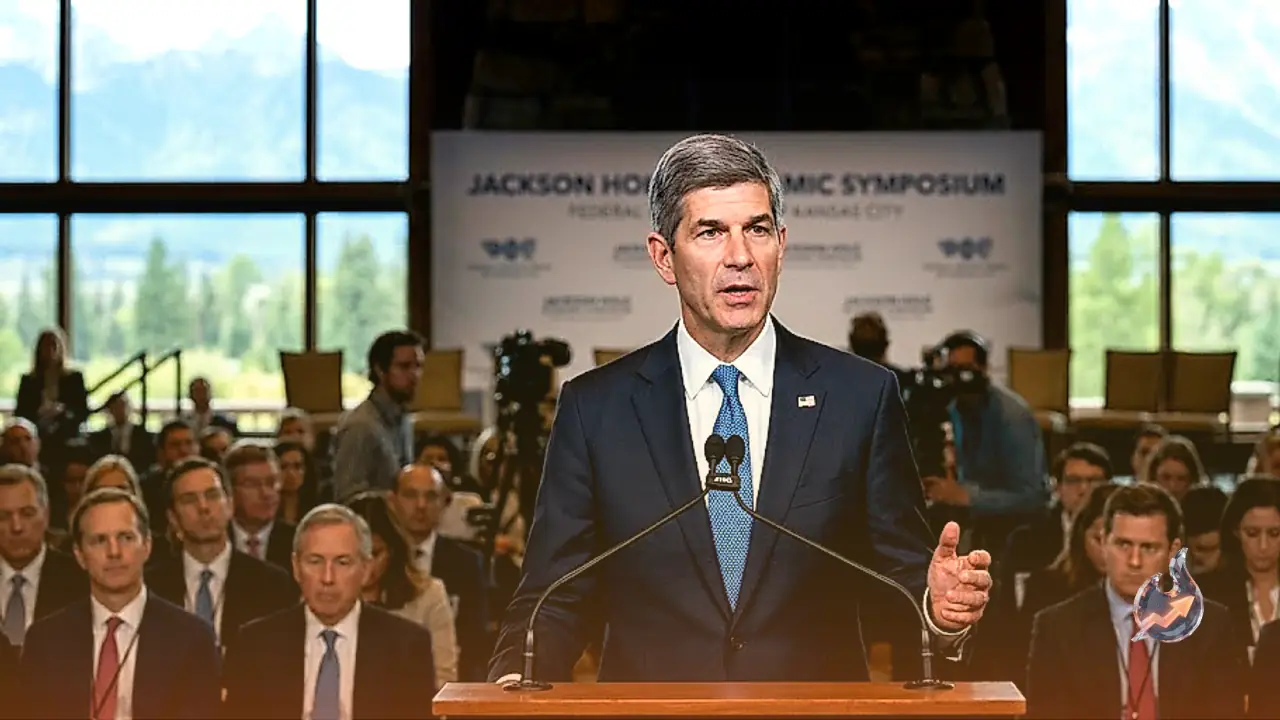
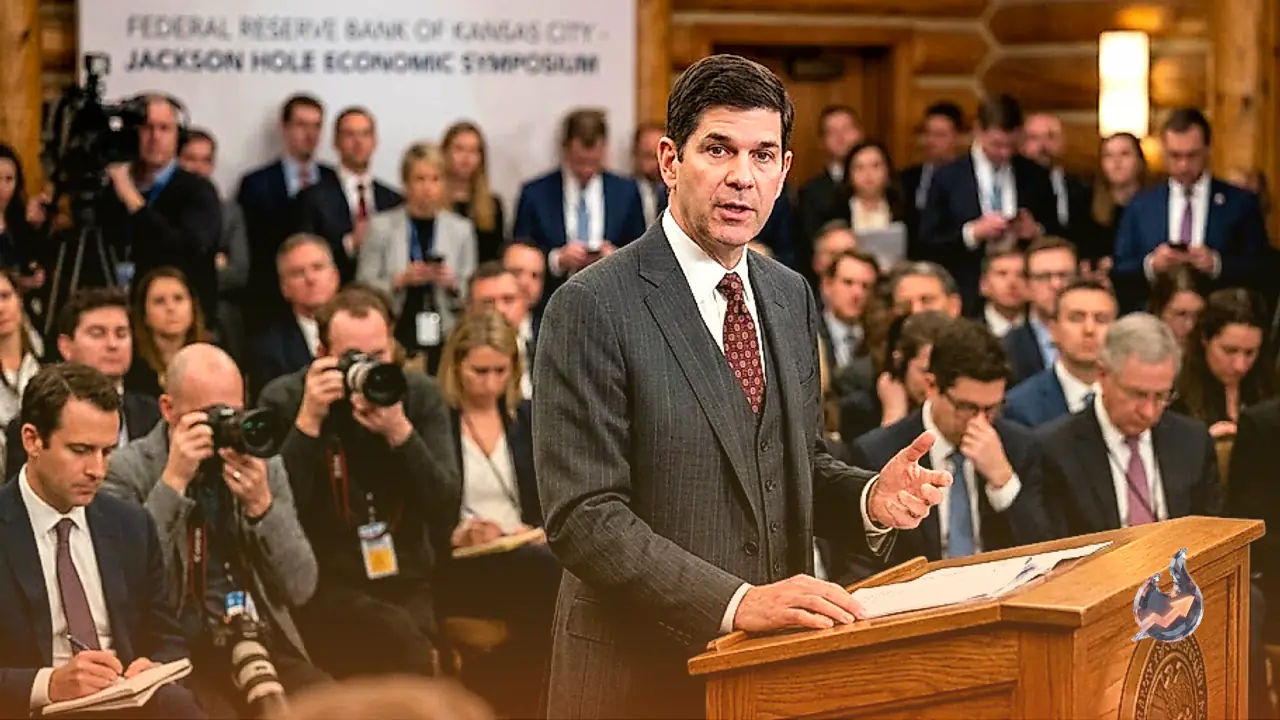
During European trading hours on Thursday, the British Pound consolidated near the bottom of its weekly range below the 1.3600 threshold against the US Dollar. Downside risks were tempered as market participants adopted a cautious posture ahead of Federal Reserve Chair Kevin Warsh's upcoming presentation at the Jackson Hole Symposium on Friday.
Similarly, the Euro remained under pressure, trading at a one-week low below the 1.1650 benchmark. The release of policy meeting accounts from the European Central Bank failed to provide meaningful support for the common currency. Broad market risk aversion continues to underpin the US Dollar, maintaining downward pressure across the EUR/USD pair.
Precious Metals and Energy Market Movements
Gold prices hovered near the $4,600 per ounce mark through the first half of the European session on Thursday, close to the weekly lows established in the prior session. The non-yielding metal's trajectory remains tightly tied to Friday's remarks from Fed Chair Kevin Warsh, which are expected to drive US Dollar volatility.
In the energy sector, while crude oil markets have shown relative price stabilization, refined product metrics indicate tight supply constraints. The US diesel crack spread, representing the premium of ultra-low sulfur diesel futures over WTI crude, broke past $100 per barrel for the first time, establishing an intraday peak slightly above $102.00 per barrel.
Cryptocurrency Performance and Fed Outlook
Digital assets traded generally higher on Thursday, led by Bitcoin advancing toward the $80,000 mark. Altcoins mirrored the benchmark asset's momentum, with Ethereum maintaining positions above $2,500 and Ripple holding above key technical support at $1.40.
Investor attention remains focused on Federal Reserve Chair Kevin Warsh as he prepares for his inaugural Jackson Hole address on Friday. Markets are seeking clarity beyond the immediate September rate decision, looking for structural cues regarding the path of US monetary policy.