



















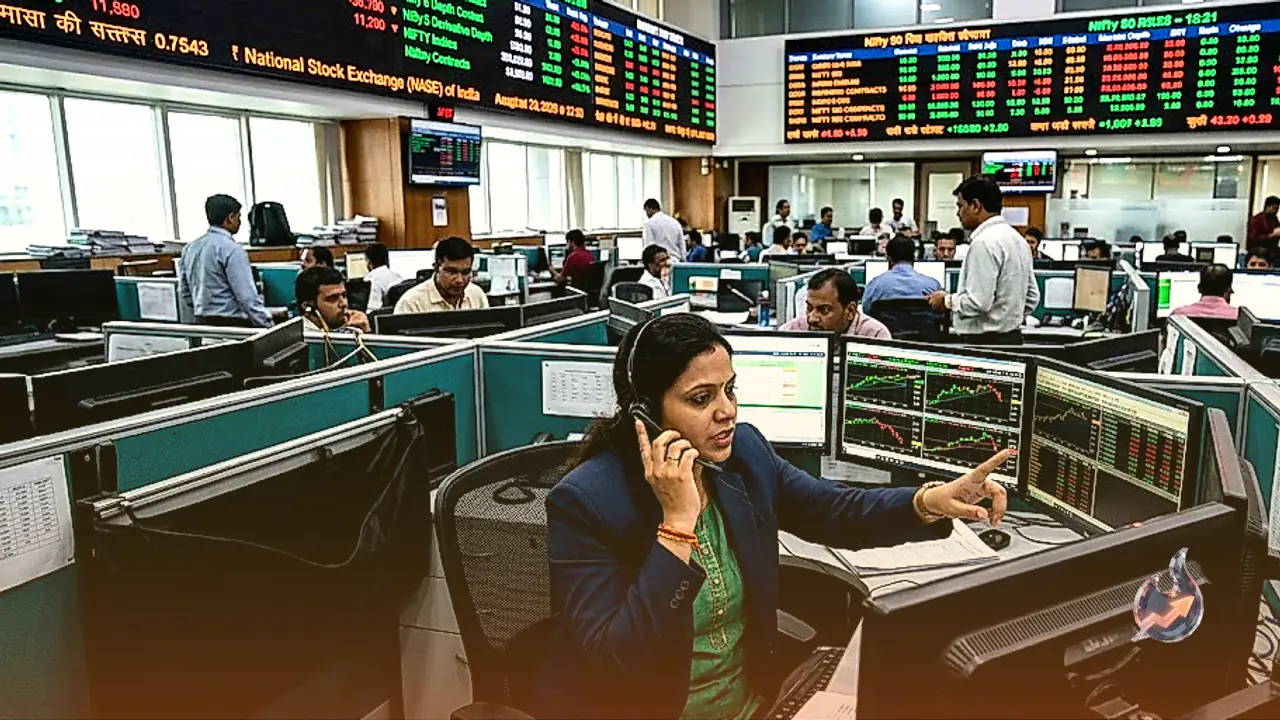

Investors and active market participants can expect regular business operations across Indian financial markets on Friday, August 28, 2026, despite the celebration of Raksha Bandhan across the country. The official trading holiday calendar issued by major domestic exchanges for the calendar year 2026 does not list Raksha Bandhan as a market closure day. Consequently, standard trading, clearing, and settlement activities will proceed across the Bombay Stock Exchange (BSE), National Stock Exchange (NSE), and leading commodity derivative platforms.
Equity and Derivatives Segment Operational Timings
The core equity and equity derivatives segments on the NSE and BSE will adhere strictly to their standard weekday timetable. The morning session will commence with the regular pre-open phase from 9:00 AM to 9:15 AM, followed by continuous order matching and trading from 9:15 AM until the closing bell at 3:30 PM.
Traders carrying intraday setups, index options, or stock futures positions should note that standard risk management parameters remain fully enforced. Margin call calculations, peak margin checks, and contract expiration cycles will function without any holiday-related adjustments or extension windows.
Commodity Market Operations on MCX and NCDEX
Commodity derivative venues, including the Multi Commodity Exchange of India (MCX) and National Commodity & Derivatives Exchange (NCDEX), will also run their scheduled sessions on August 28. Market participants dealing in bullion assets like gold and silver, energy contracts such as crude oil and natural gas, or agricultural commodities can execute trades during standard exchange hours.
Because global financial and commodity markets remain open, domestic asset prices will continue reacting dynamically to international benchmarks, macroeconomic data releases, and foreign currency movements throughout the festival day.
Understanding Settlement vs Trading Schedule
Market analysts highlight an important operational distinction between a trading holiday and a settlement holiday. A trading holiday completely shuts down the matching engines of the exchanges, preventing any new buy or sell orders from being executed. In contrast, a settlement holiday impacts clearing corporations, banking channels, and the physical delivery or pay-in/pay-out of funds and securities.
For August 28, 2026, no separate settlement holiday has been designated by the clearing corporations. Trade processing, securities transfers, and banking pay-outs will proceed under standard T+1 settlement cycles without operational delays.
Practical Considerations for Retail Investors
Traders planning personal travel or family gatherings during the Raksha Bandhan celebrations should actively monitor their open leveraged and derivative positions. Automated stop-loss orders and risk mitigation measures are strongly recommended to protect against market volatility while away from trading desks during active session hours.