























The Bank of England's Monetary Policy Committee concluded its latest rate-setting meeting by leaving the official Bank Rate unchanged at 3.75%. The outcome reflected a 6–3 majority vote among committee members, highlighting differing perspectives on the economic outlook. Alongside the decision to hold rates steady, monetary authorities acknowledged a visibly more demanding inflation backdrop. Consumer Price Index inflation is projected to climb toward 3.75% during the fourth quarter before crossing slightly above 4% in early 2027, driven primarily by higher energy prices. Despite these mounting cost pressures, officials observed that evidence of substantial second-round effects permeating broader wages and consumer prices remains limited for the time being.
Sterling Price Movement and Technical Landscape
Following the policy announcement, the British Pound came under renewed selling pressure across foreign exchange trading desks. Even with broader US Dollar momentum stalling alongside softer US Treasury yields, the currency failed to gain traction and dropped toward the 1.3360 threshold. Momentum indicators across daily charts point to ongoing bearish conditions, though the Relative Strength Index entered oversold territory. This technical posture indicates that while an intra-day bounce cannot be ruled out, market positioning remains largely skewed toward fading temporary relief rallies.
Key technical hurdles on the upside start at 1.3420, representing the 38.2% Fibonacci retracement of the 2026 high-to-low range, followed by firmer resistance around 1.3480 at the 50-day moving average. Downside support structures emerge at 1.3310, aligning with the 23.6% Fibonacci retracement level, with secondary floor support situated at 1.3270. Live market data shows GBP/USD trading at 1.34, gaining 0.27% from the previous close of 1.34 within a 52-week trading corridor of 1.30 to 1.38. Technical metrics indicate a 14-day RSI of 38, a bearish MACD configuration, a 20-day support band near 1.33, and overhead resistance near 1.37.
Gilt Yields Tumble as Active Sales Pause
The most pronounced reaction occurred across the UK government debt space. Benchmark 30-year gilt yields slid approximately 12 basis points in the aftermath of the meeting. This downward move was spurred by the central bank's strategic adjustment to its quantitative tightening framework. Policymakers opted to suspend active gilt sales for a duration of six months, providing immediate relief to long-dated sovereign bonds and resetting market supply expectations.
Developments Across Currency Markets: Australian Dollar and Yen
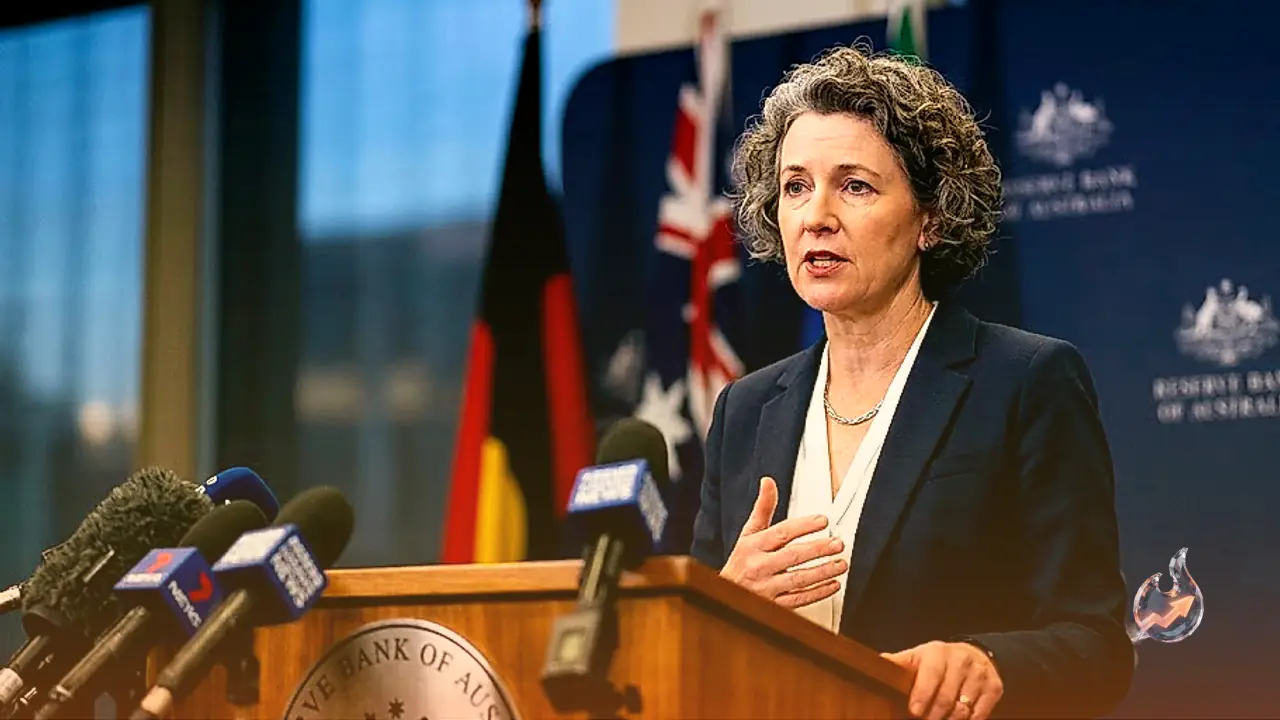
Foreign exchange markets saw concurrent movement across other major currency pairs during Asian and European trading hours. AUD/USD maintained a firm stance for a second consecutive session, preserving gains above 0.7100 in Friday's Asian trading. Weaker US sovereign bond yields constrained greenback strength, while hawkish rhetoric from Reserve Bank of Australia Governor Bullock fueled expectations of higher borrowing costs, lending structural support to the Australian currency. However, broader US Dollar losses were checked by the Federal Reserve's restrictive stance and prevailing geopolitical friction.
USD/JPY rebounded sharply throughout the European morning, climbing toward the 158.00 mark and setting fresh two-week peaks. The Japanese Yen surrendered ground despite the Bank of Japan delivering an expected rate increase to 1.25% alongside firm policy messaging from Governor Ueda. Downside pressure mounted after two surprise dissenting votes against the rate hike surfaced within the policy board. For more than a decade, Japan's ultra-low interest rates had financed trillions of dollars in worldwide investments, establishing the Yen as an ultra-cheap funding vehicle. As the Bank of Japan advances its policy normalisation, this long-standing dynamic is shifting, ending an era in which Japan stood out as a solitary low-rate outlier.
Gold Advances and Bitcoin Eyes Key Cycles
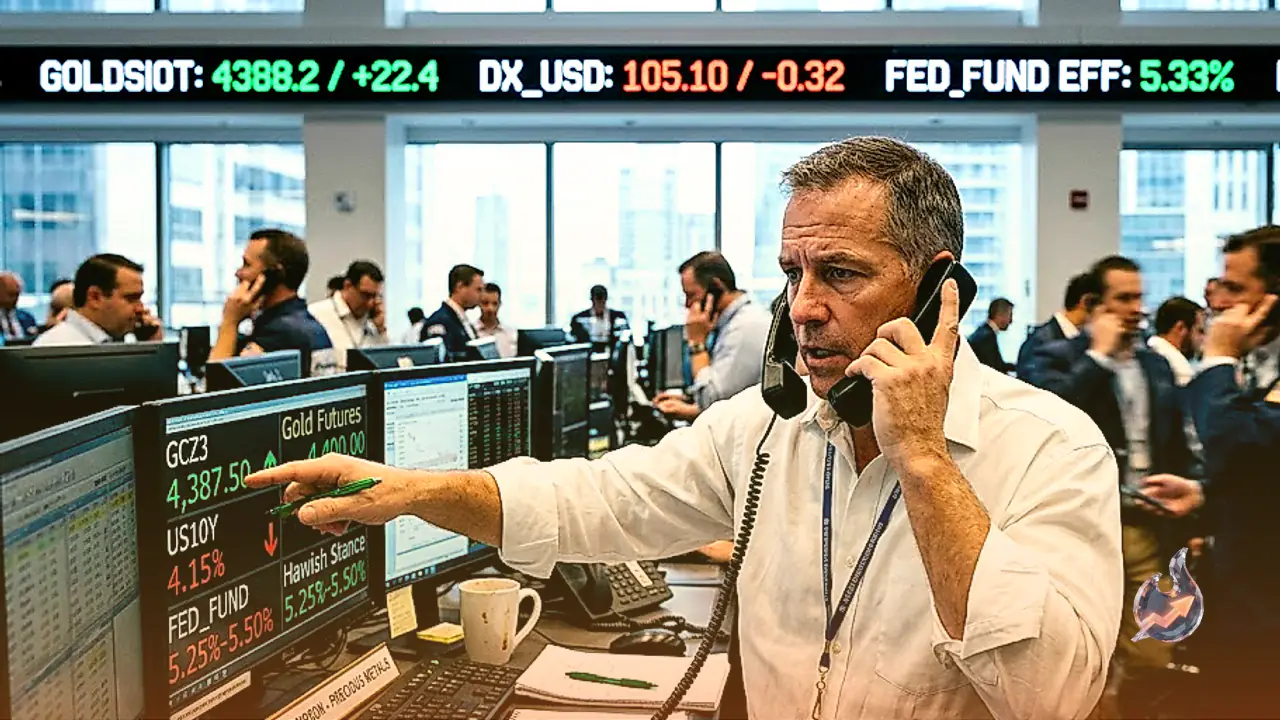
Precious metals extended their upward momentum, with gold rising for a second straight session and touching new weekly highs during Friday's European trade. Declining US Treasury yields capped the US Dollar ahead of scheduled commentary from Federal Reserve speakers and upcoming mid-tier economic reports. Bullion traders are closely watching for a decisive, sustained break above the $4,400 per ounce threshold before committing to further long positions.
Cryptocurrency markets witnessed Bitcoin consolidating its sharp recovery. After dropping to a yearly low of $57,800 in July, the asset rebounded by nearly 33%, securing consecutive monthly advances across July and August. Despite this substantial retracement, Bitcoin trades roughly 40% below its historical peak. Market participants remain focused on determining whether this ongoing trajectory signals the initial stage of a fresh structural bull run or simply represents a corrective bounce within an overarching bear market framework.