























Brazil's Finance Ministry published its updated macroeconomic and fiscal forecasts, setting a markedly more cautious tone on the nation's near-term trajectory. Official projections for gross domestic product expansion in 2026 were trimmed to 2.0% from the prior estimate of 2.3%. Looking further ahead, the ministry also lowered its expectations for 2027 economic growth to 2.3% from an earlier forecast of 2.5%. Officials highlighted the enduring drag of restrictive monetary conditions, moderating momentum across services, and softer manufacturing prospects as primary drivers behind the revised numbers.
Household Debt Service Caps Consumer Spending Potential
Rather than a sudden structural collapse, the domestic economy is undergoing a gradual cyclical slowdown as both industrial and service sectors absorb the full weight of elevated borrowing rates. Household consumption has been particularly constrained by unprecedented debt-service burdens. While overall household leverage has leveled off, debt-servicing costs climbed to an all-time high of 28.9% of total income. This extensive financial drain prevents the benefits of low unemployment and robust wage growth from translating into sustained consumer retail expenditures.
Diverging Inflation Trajectories and External Price Threats
On price stability, the official IPCA inflation forecast for 2026 was adjusted downward to 4.9% from 5.1%, reflecting recent cooling. Conversely, the estimate for 2027 moved upward from 3.6% to 3.8%. Although annual headline inflation fell to 4.2% year-on-year in August on the back of cheaper fuel, electricity, and basic foodstuffs, the ministry identified substantial upside risks. Higher crude oil quotations, the downstream pass-through of energy tariffs, potential agricultural shocks from El Niño patterns, and fertilizer supply chain disruptions pose persistent headwinds. Furthermore, a potential turn in the livestock cycle threatens to keep consumer prices sticky through 2027.
Skeptical Views on 2027 Recovery Assumptions
Independent analysts view the government's baseline assumption of a sustained growth rebound in 2027 as notably optimistic. Market assessments from financial institutions anticipate economic expansion decelerating to 1.5% in 2027, well below the ministry's 2.3% figure. Following national elections, government fiscal stimulus is projected to diminish sharply. Coupled with escalating climate-related vulnerabilities in agriculture and households trapped by elevated interest outlays, the real economy could decelerate far more steeply than public models imply.
Foreign Exchange Dynamics and Central Bank Interventions
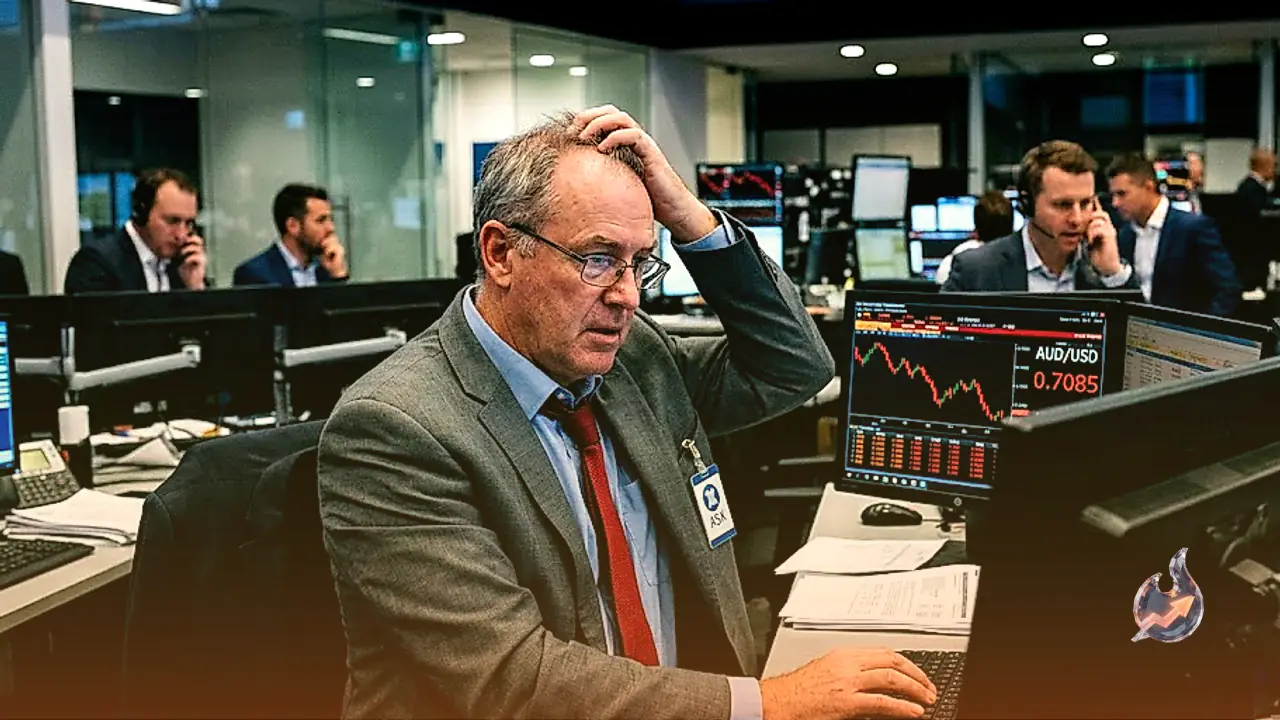
Across international financial markets, Wednesday's Asian trading session saw the Australian Dollar retreat against the US Dollar, testing the 0.7100 handle. Preliminary Australian purchasing managers indexes signaled manufacturing slipping into contraction while services grew sluggishly for a second consecutive month. Broad US Dollar strength persisted as currency traders prepared for an upcoming summit between Trump and Xi, effectively ignoring the conclusion of indirect diplomatic discussions between the United States and Iran.
Simultaneously, USD/JPY fluctuated around the mid-157.00 region, remaining close to two-week peaks reached on Friday as the Bank of Japan's modest rate tightening failed to stem Yen softness. The Bank of Japan voted 7-2 to elevate its short-term policy rate from 1.00% to 1.25%, advancing policy normalization in line with broad market forecasts. Gains were somewhat held back by concerns over potential currency intervention by Japanese authorities. In precious metals, Gold traded on the back foot as expectations of additional policy tightening by the Federal Reserve bolstered the US Dollar, reducing the appeal of non-yielding bullion.