







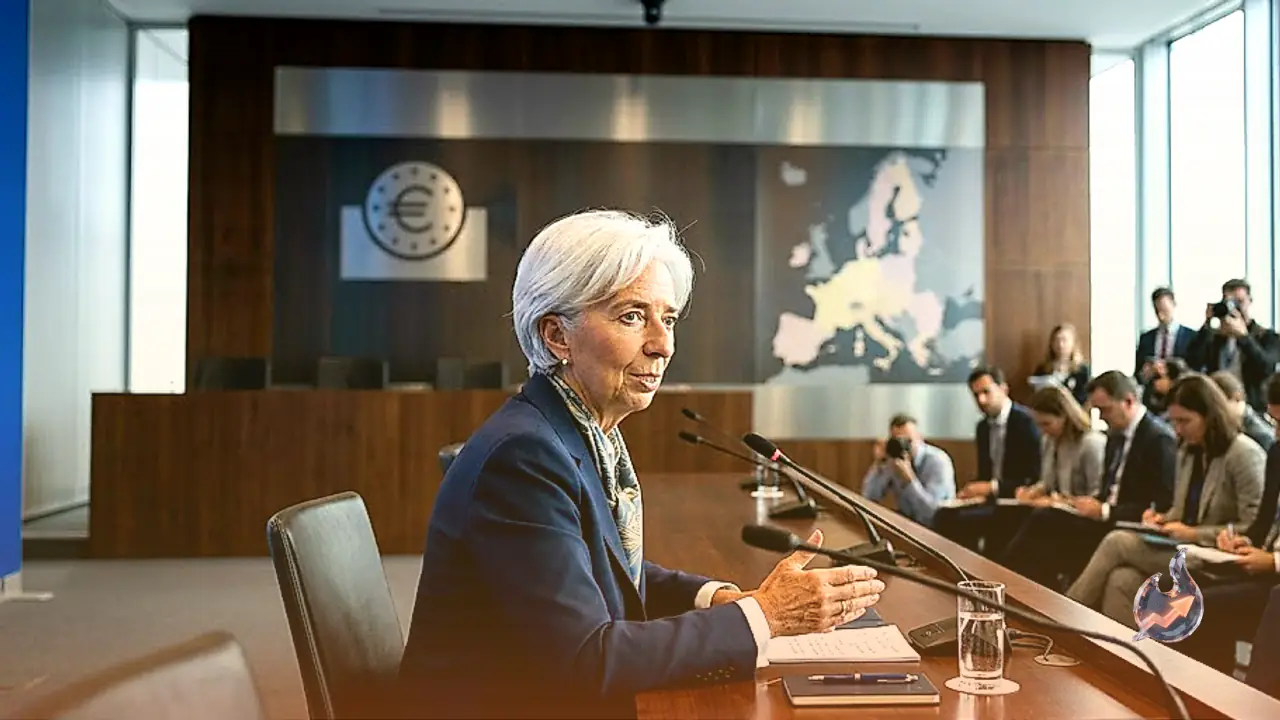

















Selling pressure across international currency markets has intensified sharply against the British Pound as a broad rally in the US Dollar, propelled by surging crude oil prices, sweeps across trading desks. Bearish positioning on sterling has witnessed a dramatic spike, with net short contracts on the Pound climbing by more than 40 percent. This substantial surge pushes bearish wagers to their highest mark since August, reflecting deeply negative speculative sentiment toward the UK currency as market participants brace for persistent weakness.
Bank of England Holds Rate as Dollar Strength Dominates
The intensifying downside for sterling follows the Bank of England's monetary policy gathering on September 18, where policymakers opted to leave the benchmark Bank Rate unchanged at 3.75 percent. While the decision to maintain the policy rate strictly matched broader market projections, it provided little relief to the domestic currency. Instead, sterling has consistently eroded against the greenback, tracking the broader advance of the US Dollar that has been energized by climbing energy costs, cementing a gloomy speculative climate for the UK currency.
Pressure Mounts Across Major Currency Pairs
The greenback's advance is exerting heavy downward momentum across competing currencies. The Australian Dollar pair, AUD/USD, is struggling to hold above the 0.7000 threshold at the launch of the trading week, hovering near its weakest valuation since August 4 under the weight of a bullish dollar tone. US Treasury yields remain firmly positioned near multi-year peaks, sustained by inflation concerns stemming from steeper crude costs alongside escalating market wagers that the Federal Reserve will implement an interest rate hike in October. Coupled with the persistent diplomatic and military standoff between the United States and Iran, safe-haven flows have continuously bolstered the American currency, subduing the Aussie Dollar ahead of policy rate declarations scheduled for Tuesday from the Reserve Bank of Australia.
Yen Fluctuations and Central Bank Policy Alignment
In the USD/JPY cross, bargain hunters quickly emerged to recoup a portion of the sharp retreat witnessed on Friday, which had been sparked by rising speculation of fresh official market interventions to prop up the Japanese Yen. That counter-move, however, met resistance from the Bank of Japan's dovish policy minutes, which placed a ceiling on the Yen's recovery. Simultaneously, the US-Iran confrontation has sustained elevated oil prices, rekindling broad inflation worries and reinforcing market projections of an October Fed rate hike. These drivers collectively propelled the USD/JPY pair back toward the 158.00 threshold. Notably, both the Federal Reserve and the Bank of Japan recently enacted parallel policy maneuvers, with each institution raising interest rates by 25 basis points last week, both navigating sticky inflationary risks, and both conditioning subsequent interest rate adjustments on emerging macroeconomic data.
Gold Softens Near August Lows While Bitcoin Eases
Surging yields and a robust dollar have also taken a toll on the commodities and digital assets spaces. Gold commenced the trading week under significant selling momentum, tumbling toward the $4,100 per troy ounce boundary, territory not traded since early August. The convergence of heightened geopolitical unrest, rising Treasury yields, and broad dollar appetite kept bullion heavily restrained on Monday. In crypto markets, Bitcoin was changing hands beneath $82,800 on Monday. The bellwether token had posted gains exceeding 4 percent across the prior week, yet its upward trajectory appeared to lose steam near recent peaks, even as underlying institutional demand continues to be anchored by steady capital inflows into spot Bitcoin Exchange Traded Funds.
Record UK Fuel Costs and Broader Market Dilemmas
In the United Kingdom, household and business operating conditions face mounting headwinds as domestic diesel costs spiked to an all-time record, fueling wider worries regarding economic resilience. Global financial markets continue to price in an aggressive interest rate hiking cycle from the Federal Reserve, sparking ongoing debate over whether such drastic tightening is strictly warranted. Meanwhile, crude oil supply anxieties have shown signs of easing even as market spot prices trend higher, leaving market participants closely monitoring these energy dynamics alongside the evolving trajectory of the broader AI trade.