























A modest pullback in global oil prices has temporarily cooled the post-FOMC momentum of the US Dollar, yet the underlying risks remain tilted toward further currency strength. The hawkish policy guidance delivered by the Federal Reserve continues to anchor market expectations. With the standard end-of-month lull in tier-one American economic reports setting in, energy price fluctuations and commentary from central bank officials are positioned as the primary near-term drivers for foreign exchange markets.
Energy Pricing Dynamics and Middle East Diplomacy
The recent softening in oil prices has eased some of the immediate upward pressure on the greenback following the latest Federal Open Market Committee gathering. Market participants in the energy sector appear to be drawing cautious optimism from an upcoming meeting scheduled for Tuesday during the United Nations General Assembly, where US President Donald Trump is set to confer with representatives of the Gulf States to clarify regional strategies. Speculation across news media suggests that President Trump is approaching a consequential choice between stepping up military engagements or charting a path toward resolving the regional conflict. Nevertheless, prevailing market assessments indicate that these geopolitical developments are unlikely to depress Brent crude benchmarks below the $100 per barrel mark at this juncture.
Federal Reserve Trajectory and Rate Hike Expectations
The resolute and hawkish communication delivered by the Federal Reserve has reinforced market convictions that policy tightening remains firmly on the table. Financial markets now have the leeway to price in a benchmark rate hike as early as October, provided upcoming inflation gauges and energy costs justify the move. Projections outlined in the Fed's dot plot explicitly signaled that policymakers intend to deliver an additional rate hike before the current calendar year concludes. Speeches and public appearances by central bank officials will face intense scrutiny from investors, with unscheduled remarks gaining added weight once the next round of economic releases arrives.
Foreign Exchange Crosses React to Divergent Monetary Paths
Across the foreign exchange landscape, the Australian Dollar maintained a positive footing for a second consecutive session during Asian trading on Friday, holding ground above the 0.7100 handle. A softening in US sovereign bond yields constrained dollar buyers. Simultaneously, hawkish commentary from Reserve Bank of Australia Governor Bullock lent support to domestic rate increase wagers, bolstering the Aussie. However, the overarching hawkish outlook from the Federal Reserve, combined with ongoing geopolitical instability, placed a firm ceiling on gains in AUD/USD while curbing broader losses for the US Dollar.
In contrast, USD/JPY rekindled its upward trajectory throughout European trading hours on Friday, pushing toward two-week peaks near 158.00. The Japanese Yen retreated across the board even after the Bank of Japan advanced its policy rate to 1.25% alongside firm statements from Governor Ueda. Market enthusiasm for the Yen was severely undermined by two unexpected dissenting votes against the rate tightening, which clouded investor expectations regarding the pace of future policy normalization.
Gold Stretches Gains as Bitcoin Navigates Bear Market Recovery
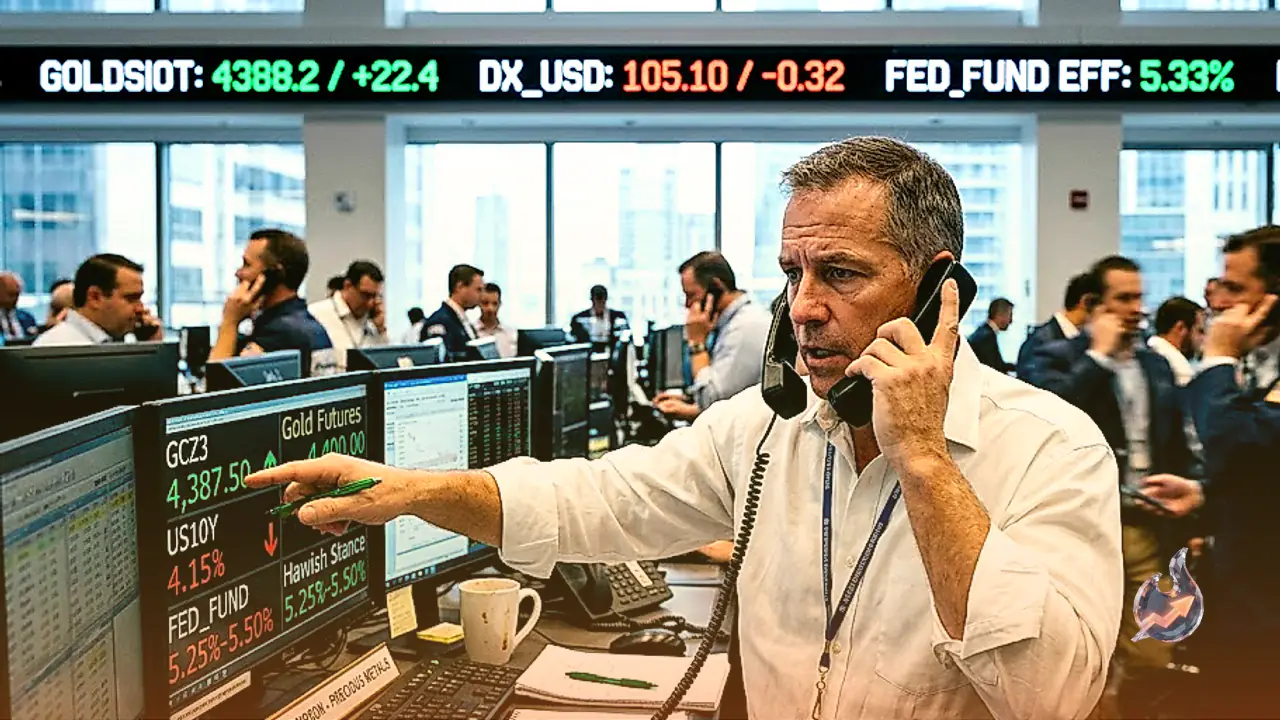
Precious metals saw continuous demand, with gold prices advancing for the second straight session to reach fresh weekly highs during early European trading on Friday. Bullish traders are watching for a decisive, sustained move above the $4,400 per ounce threshold before committing capital to higher targets. A retreat in US Treasury yields helped keep the dollar index in check, allowing bullion to flourish ahead of scheduled central bank remarks and secondary US economic data.
In digital assets, Bitcoin has staged a noticeable rebound after sliding to a yearly low of $57,800 in July. The asset appreciated roughly 33%, delivering back-to-back monthly gains across July and August. In spite of that rally, Bitcoin continues to trade roughly 40% below its record peak. This divergence leaves market participants debating whether the rebound marks the initial chapter of a durable bull run or merely an oversold retracement within an overarching bear market environment.
Shifting Mechanics of the Long-Running Yen Carry Trade
Ultra-accommodative interest rates in Japan historically underwrote trillions of dollars in worldwide asset allocations over more than a decade, transforming the Japanese Yen into the globe's premier low-cost funding vehicle. With the Bank of Japan leaning toward further policy tightening, that foundational trade is entering uncharted territory. While most developed economies implemented aggressive rate hikes over recent cycles, Japan long stood out as the sole exception, and its eventual exit from zero-bound policy marks a meaningful shift in cross-border capital flows.