























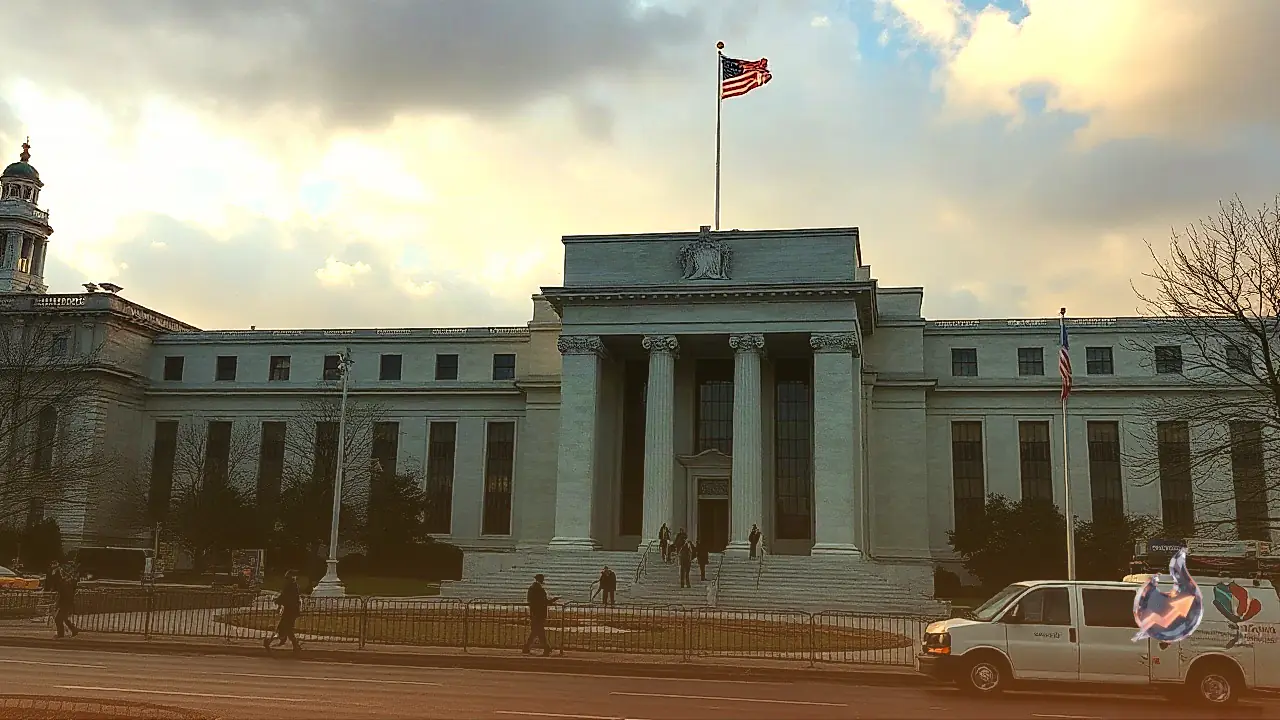

Financial markets across the globe are bracing for critical central bank decisions, with particular attention focused on the upcoming Federal Open Market Committee gathering. Macro strategists at TD Securities, including Oscar Munoz and his colleagues, project that monetary policymakers will implement a 25bps interest rate increase. Alongside this move, the updated dot plot projections are expected to signal fewer additional rate hikes than what financial markets currently anticipate.
Policy Alternatives and Expected Currency Movements
Under the baseline outlook outlined by market analysts, the immediate aftermath of a 25bps hike could trigger knee-jerk weakness in the US Dollar. Because market pricing has already absorbed the likelihood of a 25bps increase almost entirely, the formal announcement itself may not provide fresh upward momentum right away. In contrast, if policymakers deliver an unexpected dovish hold by leaving borrowing costs unchanged, the US Dollar could slide backward toward levels observed prior to the release of the August consumer price index data.
The trajectory could shift markedly if the committee delivers a more hawkish forecast. Should the revised dot plot explicitly keep an October rate increase under active consideration, the currency rally seen in recent sessions would have ample scope to broaden. TD Securities strategists note that the policy team expects the central bank to commence a tightening push at its September gathering with the 25bps adjustment. Given that August inflation figures indicated an absence of meaningful disinflationary progress, Chair Warsh is expected to explain that challenge while likely refraining from providing explicit forward guidance.
Economic Projections and Treasury Yield Dynamics
Revisions across the broader Summary of Economic Projections are anticipated to lean toward a hawkish stance. Projections compiled by the wider committee are likely to show dots signaling further increases, accompanied by upgraded estimates for both inflation and labor market conditions. Under the primary scenario of a 25bps adjustment coupled with a more restrained trajectory in the dot plot than investors foresee, the government yield curve could experience modest bull steepening alongside brief pressure on the greenback.
Meanwhile, benchmark US government debt yields continue to hover in the vicinity of multi-year highs. This resilience in bond yields is driven by elevated expectations for interest rates alongside inflation risks stoked by higher crude oil prices. These elevated yields have consistently underpinned the US Dollar, creating significant headwinds for rival global currencies and precious metals ahead of the policy verdict.
Foreign Exchange Pressures Across Major Currency Pairs
Trading in the currency markets reflects this broader monetary divergence. The Australian Dollar struggled to regain ground during Tuesday's Asian trading session, languishing beneath 0.7150. This positioned the currency pair in close proximity to an over three-week low touched during Monday's trading. Elevated US debt yields and energy-linked inflation concerns weighed heavily on the currency, while mixed economic activity metrics from China for the month of August failed to generate buying enthusiasm for the Aussie.
Conversely, the USD/JPY currency pair maintained upward momentum early Tuesday, advancing toward the 155.00 threshold as market participants positioned for major announcements from both the Federal Reserve and the Bank of Japan later in the week. Persistent expectations of US policy tightening and oil-related price pressures provided support to the greenback against the Yen. Nevertheless, the prospect of an assertive normalization trajectory from the Bank of Japan continues to offer baseline support to the Japanese Yen, which may constrain excessive upside for the currency pair.
Gold Pulls Back Amid Policy Caution
Commodity markets are similarly responding to currency strength and elevated yields. Gold extended Monday's decline, retreating back toward the $4,260 per troy ounce zone during Tuesday trading. The ongoing retreat in the precious metal reflects renewed strength across the US Dollar index, mixed behavior among US Treasury yields, and broad-based hesitation among traders ahead of the Federal Reserve's rate verdict and forward economic guidance.