






















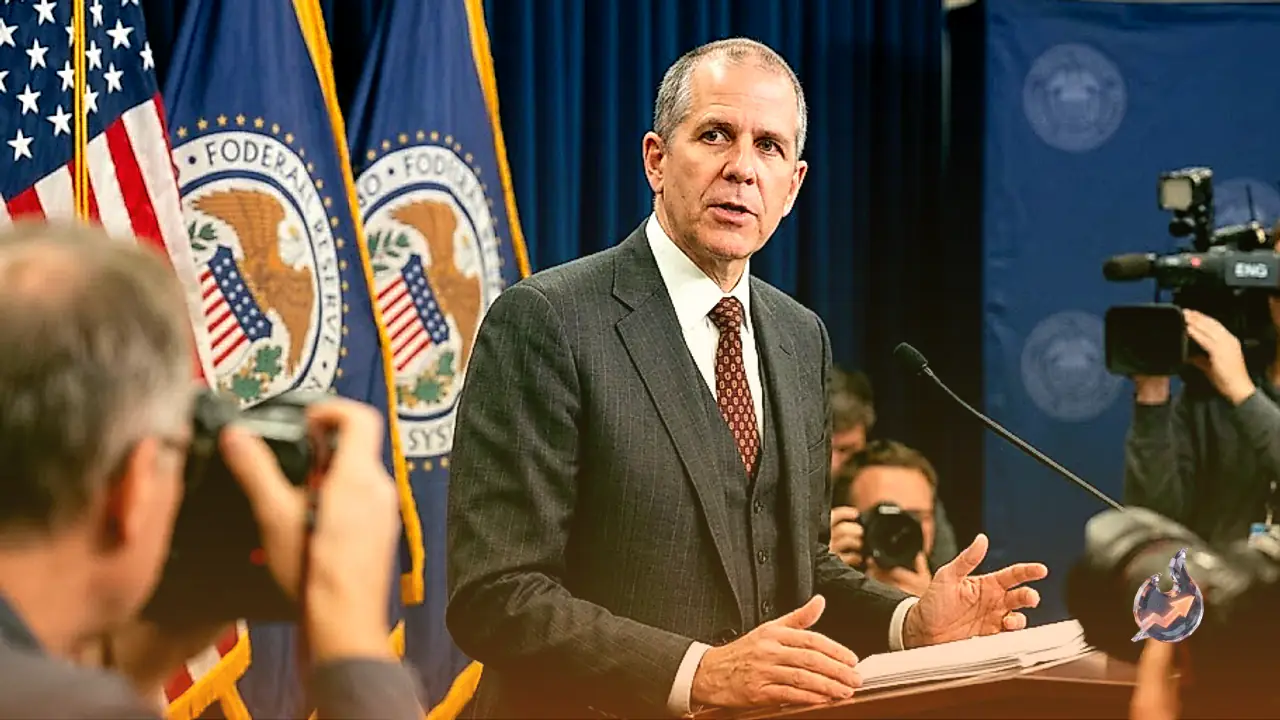

A senior Federal Reserve policymaker, Michael Barr, delivered a resolute message regarding monetary tightening, emphasizing that further interest rate increases will likely be necessary to steer inflation back down to the central bank's 2% objective within an acceptable timeframe. Highlighting that economic expansion remains robust while the labor market displays continued strength, Barr pointed out that the balance of risks has shifted unmistakably toward persistent price increases rather than employment weaknesses. The central bank entered its recent deliberations in an uncalibrated posture and subsequently carried out adjustments to align policy with these emerging economic conditions.
Financial markets reacted swiftly to the prospect of prolonged monetary stringency. The US Dollar Index advanced by 0.5% during the session, climbing past the 101.00 benchmark to touch its strongest trading levels since the closing days of July. The persistent advance of the greenback simultaneously exerted downward pressure on precious metals, pushing bullion lower while curtailing upside momentum across major currency pairs.
The Policy Framework and the Inflation Objective
Monetary policy across the United States operates under a dual congressional mandate entrusted to the Federal Reserve: preserving long-term price stability and fostering conditions for maximum employment. To navigate these twin priorities, policymakers rely on adjustments to benchmark borrowing costs. When consumer price inflation escalates past the target threshold of 2%, the central bank implements rate hikes to raise the price of credit throughout the broader economy. Elevated yields and wider interest rate differentials consistently enhance the appeal of US financial instruments, channeling international capital into dollar-denominated holdings and reinforcing currency valuations.
Conversely, when economic momentum deteriorates, the jobless count climbs, or inflation drops noticeably below the targeted 2% level, the institution lowers its benchmark interest rates. Reduced borrowing expenses stimulate business spending and consumer demand, though this environment typically weakens the US Dollar relative to its global counterparts. As Barr underlined, current indicators show that inflation is failing to descend toward the desired benchmark in a dependable, timely fashion, requiring monetary officials to prioritize inflation containment over potential employment cooling.
Structure and Governance of the FOMC
The core decisions governing interest rate levels and systemic liquidity originate within the Federal Open Market Committee, which convenes eight times each year to review domestic and international macroeconomic data. The voting membership comprises twelve central bank officials, reflecting a structured division of regional and centralized authority.
All seven members serving on the Board of Governors retain permanent voting seats on the committee, alongside the president of the Federal Reserve Bank of New York. The remaining four voting positions rotate on an annual basis among the presidents of the eleven other regional Federal Reserve Banks. Through this collective governance model, the committee determines whether economic indicators warrant rate adjustments or the deployment of balance-sheet instruments.
The Dynamics of Quantitative Easing and Quantitative Tightening
Beyond traditional interest rate levers, the central bank commands alternative policy mechanisms during times of severe disruption or liquidity freezes. One key mechanism is Quantitative Easing, a non-standard intervention designed to restore credit circulation when commercial lending channels become impaired. Introduced on an unprecedented scale during the 2008 Great Financial Crisis, this procedure involves creating central bank reserves to purchase top-rated debt securities from private financial institutions. The resulting influx of liquidity across the banking sector generally exerts downward pressure on the domestic currency.
The opposing policy, Quantitative Tightening, serves to extract excess reserves from the economy. Under this process, the central bank ceases outright purchases and allows maturing bonds to roll off its balance sheet without reinvesting the returned principal into replacement securities. By systematically draining reserve balances and constricting the pool of circulating money, Quantitative Tightening typically acts as a supportive tailwind for the valuation of the US Dollar.
Impact Across Forex and Precious Metals Markets
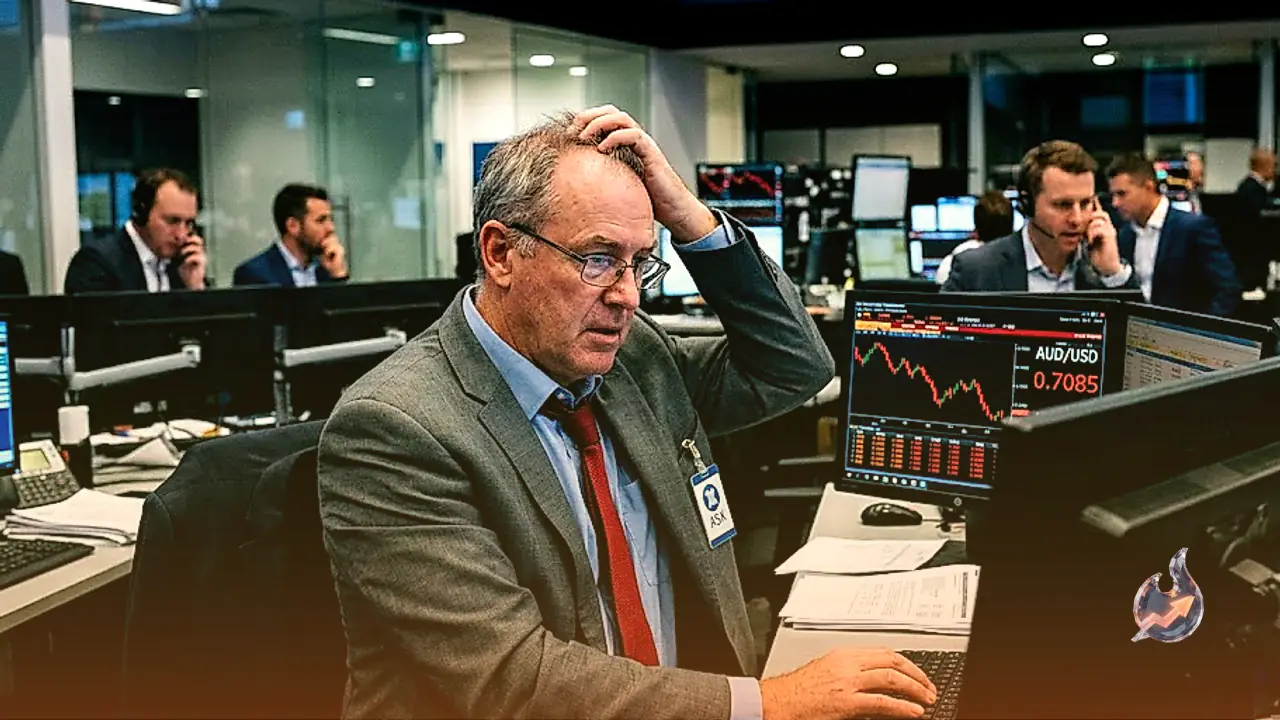
The renewed upward momentum in the dollar produced visible ripple effects across international trading venues. In Asian market trading on Wednesday, the Australian Dollar traded with noticeable weakness against the US currency, falling toward the 0.7100 threshold. Pressure escalated after Australian flash PMI surveys revealed that manufacturing output slipped into contraction territory, accompanied by subdued service-sector expansion for a second straight month. In addition to domestic growth concerns, market participants remained cautious ahead of the high-stakes summit between Donald Trump and Xi Jinping scheduled for Thursday, largely disregarding the conclusion of indirect diplomatic discussions between the US and Iran.
Concurrently, the USD/JPY currency pair hovered around the mid-157.00 zone during Wednesday's Asian trading, consolidating near two-week peaks reached late last week. The Bank of Japan carried out an interest rate increase, lifting its short-term target to 1.25% from 1.00% through a 7-2 vote. While this decision aligned with consensus expectations regarding monetary normalization, the accompanying communication was perceived as dovish, keeping the Japanese Yen subdued. Hawkish Federal Reserve expectations reinforced dollar strength, though upside progress in the pair remained tempered by persistent concerns that Japanese authorities might intervene directly to support their currency.
In the commodities arena, gold faced steady selling interest throughout Wednesday. Because bullion offers no regular yield, expectations that US monetary authorities will push borrowing costs even higher heightened the opportunity cost of holding the metal, allowing the firm greenback to push bullion prices downward.