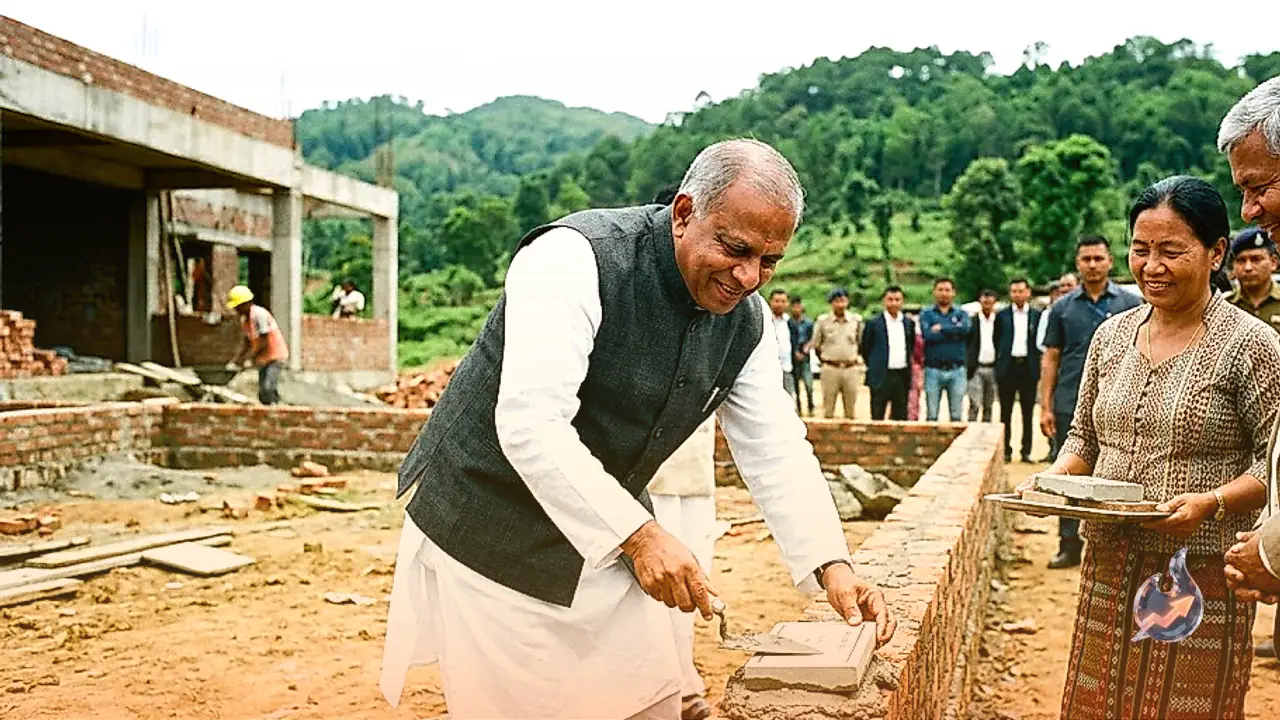





















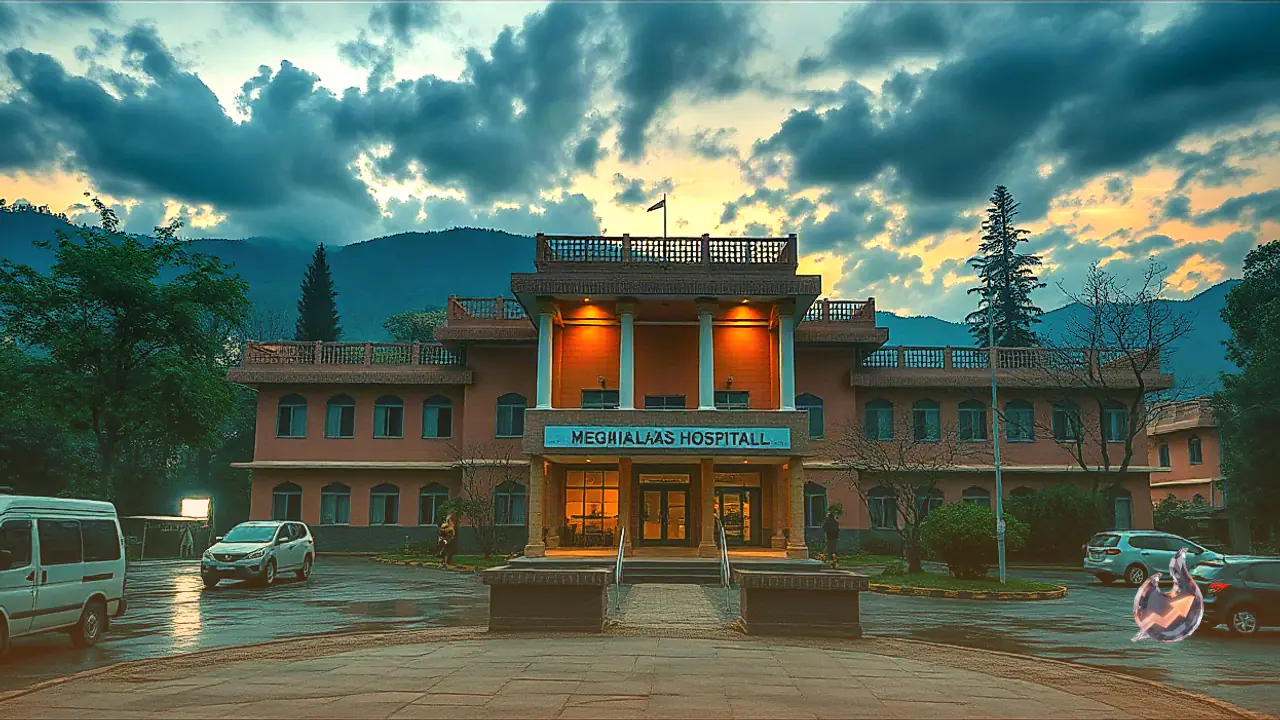

Meghalaya is undergoing a major expansion of its rural health network to ensure comprehensive medical access for citizens across remote villages and hilly terrains. Following a comprehensive infrastructure review meeting on Wednesday, Chief Minister Conrad K. Sangma announced that the state will expand its network of Health Sub-Centres to 700 by March 2027. Over the past two years, the government has successfully constructed and delivered more than 110 Sub-Centres across various districts. To achieve the targeted milestone, 200 additional sub-centres are scheduled for completion over the next few semesters, significantly boosting primary care accessibility in hard-to-reach rural pockets.
New Regional Healthcare Facilities and Bed Capacity Expansion
Several major medical infrastructure projects across the state are entering their final stages of completion. Critical healthcare facilities located at Bajengdoba, Byrnihat, Mahendraganj, Raksamgre, and Mylliem Umthlong are undergoing final touches, with the state government planning to make them fully operational by January 2027. Simultaneously, authorities are expediting steps to activate the newly developed 100-bed hospital at Resubelpara at the earliest possible date.
The state government's public healthcare ecosystem currently maintains around 7,000 functional hospital beds across all facilities. The ongoing construction and facility upgradation projects are projected to add more than 600 beds to this public healthcare capacity. This substantial increase in bed availability will reduce overcrowding at district hospitals and improve emergency care responsiveness in rural communities.
Capital Expenditure and Significant Decline in Mortality Rates
According to findings presented in the official report titled Meghalaya’s Health Trends: Progress and Priorities, the state administration has invested approximately Rs 750 crore into medical infrastructure development over the past five years by leveraging diverse funding channels. This multi-year financial allocation has yielded measurable gains in core public health parameters across Meghalaya.
Statistical data indicates a sharp 40 percent decline in infant deaths over the five-year evaluation period. Infant mortality dropped from 3,064 recorded cases in 2020-21 down to 1,833 in 2025-26. Concurrently, maternal mortality figures demonstrated an impressive 57 percent reduction within the exact same timeframe, highlighting improved prenatal, antenatal, and emergency obstetric care interventions.
Institutional Deliveries, Immunization Growth, and Insurance Coverage
Data derived from the National Family Health Survey (NFHS-6, 2023-24) shows that institutional delivery rates in Meghalaya expanded from 51.4 percent recorded during NFHS-4 to 65.6 percent in NFHS-6. This metric experienced further growth, reaching 79 percent in 2025-26 as more expectant mothers transitioned to supervised hospital environments.
Childcare indicators have also experienced steady growth, with full immunization coverage among children rising from 63.8 percent to 75.3 percent statewide. Detailing these health outcomes, Chief Minister Conrad K. Sangma wrote on X that ongoing efforts to strengthen healthcare infrastructure remain a central priority. Furthermore, household health insurance coverage across Meghalaya rose from 34.6 percent to 74.9 percent, surpassing the national average and providing financial protection against major medical expenses.