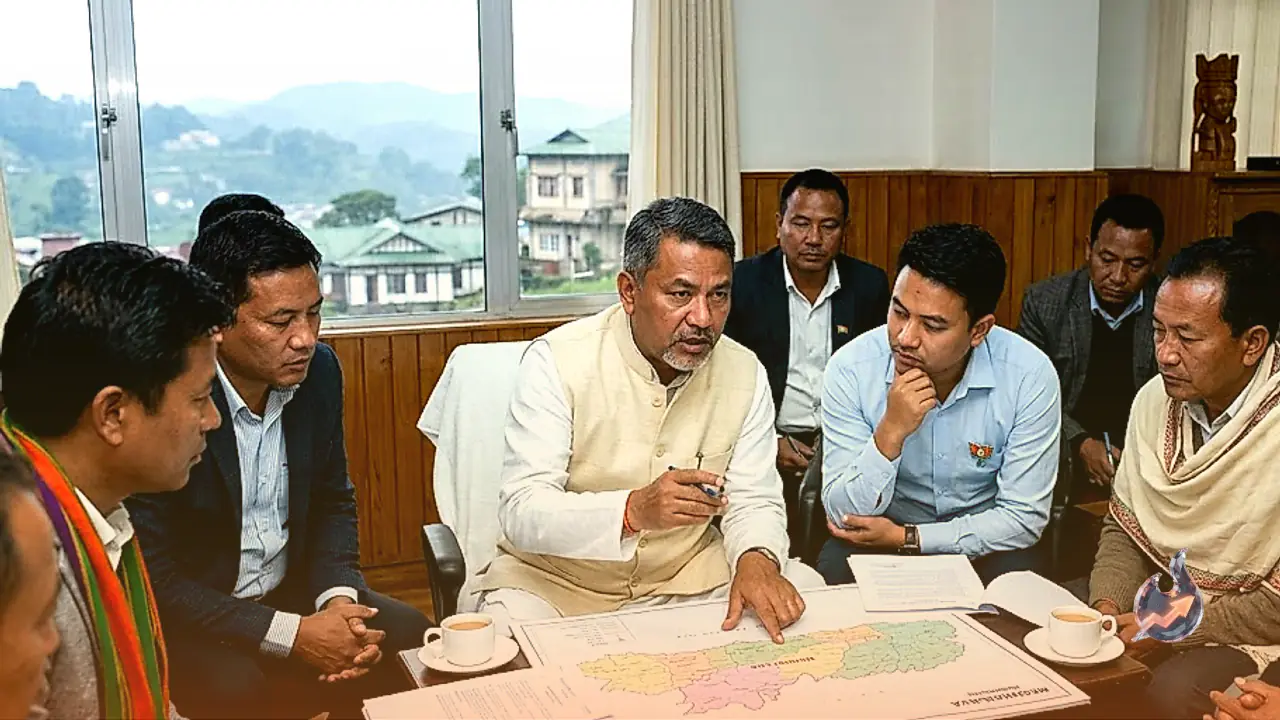




















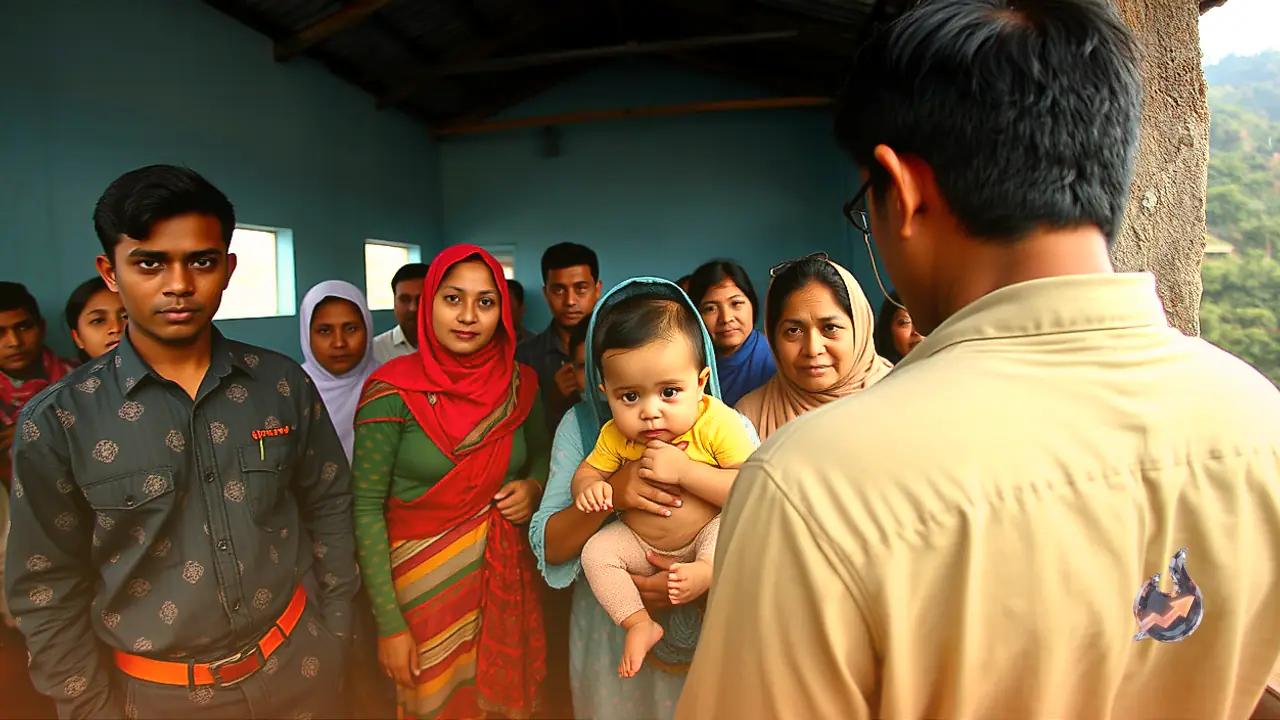

Following the tragic loss of an infant before reaching medical care in West Khasi Hills, the Meghalaya government has launched a structured review to evaluate the spread and accessibility of healthcare centres across isolated pockets of the state. Health Minister Wailadmiki Shylla announced the initiative, stating that the evaluation intends to remove the burden of extreme travel distances that rural residents currently face when seeking emergency treatment.
Tragic Journey Across Rugged Terrain
The urgency behind the official review stems from an incident in West Khasi Hills, where an ailing infant lost its life while being carried to safety. The mother had to trek across difficult terrain for nearly three hours just to arrive at a motorable stretch where vehicular transport could be boarded toward a clinic.
Tragically, the child succumbed while in the mother’s arms during the arduous walk and was declared brought dead upon arrival at the facility. The heartbreaking incident has cast a sharp light on the severe mobility bottlenecks that continue to affect vulnerable families in geographically isolated areas.
Lack of Prior Information and Contact
Addressing the timeline of the event, Shylla explained that the local healthcare administration had received no prior alert regarding the infant’s worsening condition. The minister stated that the family had not reached out to local health personnel or the village ASHA worker before undertaking the journey on foot.
Categorising the tragedy primarily as a transport and connectivity breakdown, the minister acknowledged that multiple corners of the state remain cut off from dependable healthcare networks, making immediate medical intervention exceedingly difficult during critical moments.
Proposal for All-Terrain Medical Transport
To bridge the severe mobility gap in hilly topographies, the state government is formulating targeted interventions. Among the key measures being explored is a specific proposal to deploy four-wheel-drive (4×4) ambulances designed to navigate harsh, unpaved terrain and transport patients from remote settlements.
Shylla pointed out that mapping the availability of medical centres across the state will require time, but the core objective remains clear: preventing villagers from undertaking extreme physical journeys merely to access basic medical attention.
Simultaneous Push for Infrastructure and Health
The administration maintained that road building cannot be handled as an isolated priority separated from medical accessibility. Instead, the state is seeking an integrated approach that advances road connectivity, emergency transit, and overall civic development at the same time.
Affirming the government’s direction, Shylla remarked that efforts are underway to extend access to every village. He noted that while major portions of the state are already connected, further projects are in progress to penetrate the hardest-to-reach rural settlements and close vital infrastructure gaps.