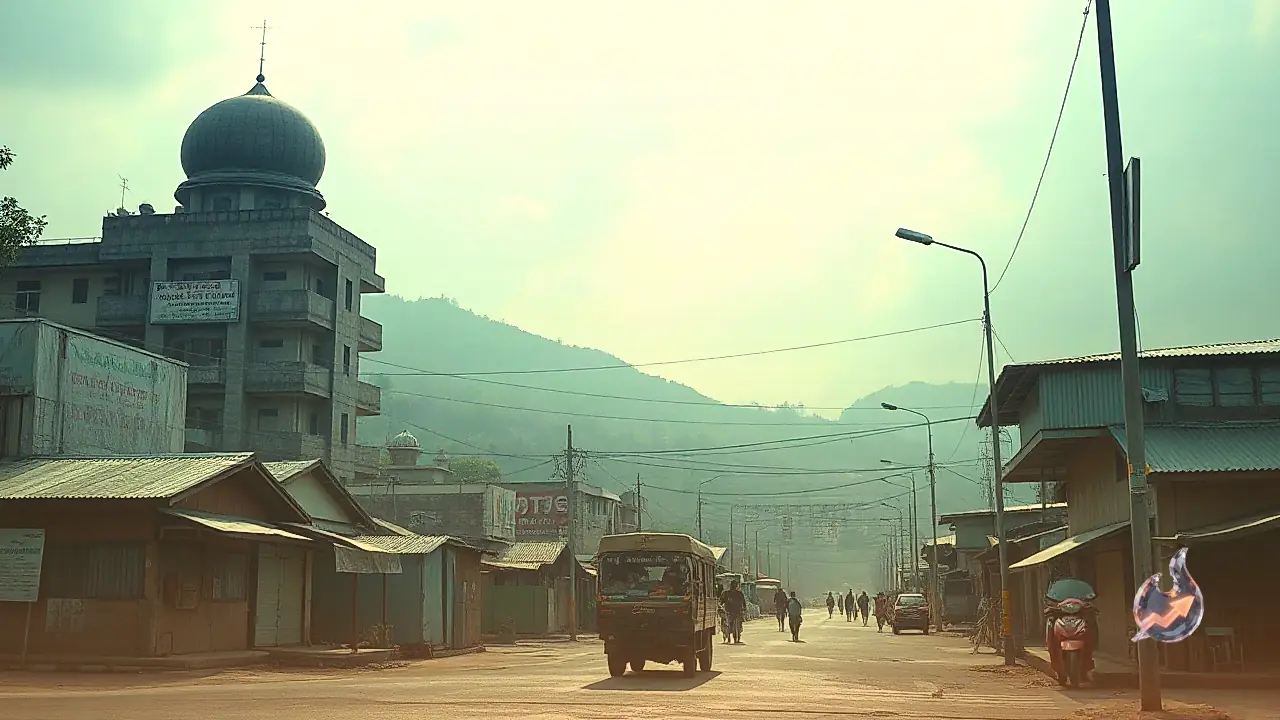

























East and Northeast India logged their lowest southwest monsoon rainfall in 125 years during the June to September window this year. Official figures from the India Meteorological Department show that the region accumulated only 1,017.1 mm of precipitation across the four-month cycle. Since systematic record-keeping commenced in 1901, rainfall numbers for the region have never dipped this low, underscoring an unprecedented dry spell in a belt traditionally known for heavy downpours.
Sustained Rainfall Shortfall Across Key States
The deficiency remained persistent throughout the entire season across Assam, Meghalaya, and Arunachal Pradesh. All three meteorological subdivisions logged rainfall deficits during every single month from June through September. While scattered episodes of intense downpours took place in portions of Assam toward the end of September, the weather department noted that these late showers were far too limited to offset the massive deficit built up over the preceding months.
India Records 13th Driest Monsoon on Record
The severe regional shortfall aligned with below-average monsoon performance nationwide. Across the country, total rainfall stood at 759.4 mm for the June to September duration. This places the season as the 13th driest across India since 1901, and the fourth driest observed since 2001. Prolonged moisture deficits of this scale pose serious operational hurdles for agrarian cycles, ground and surface water reserves, and broader seasonal livelihoods that depend heavily on timely rains.
Elevated September Heat and the Outlook for October
Alongside diminished rains, the region endured unseasonably elevated warmth throughout September. East and Northeast India logged a monthly mean temperature of 27.95 degrees Celsius, running 0.74 degrees above normal values. That level ranks as the sixth-highest mean temperature recorded for September since 1901. Looking ahead to October, the weather bureau forecasts below-normal precipitation across most parts of the country, though scattered pockets in East India could see normal to above-normal showers. Maximum daytime temperatures across the Northeast are anticipated to hover near normal ranges, while night-time minimums are expected to track near or below normal levels as post-monsoon conditions set in.