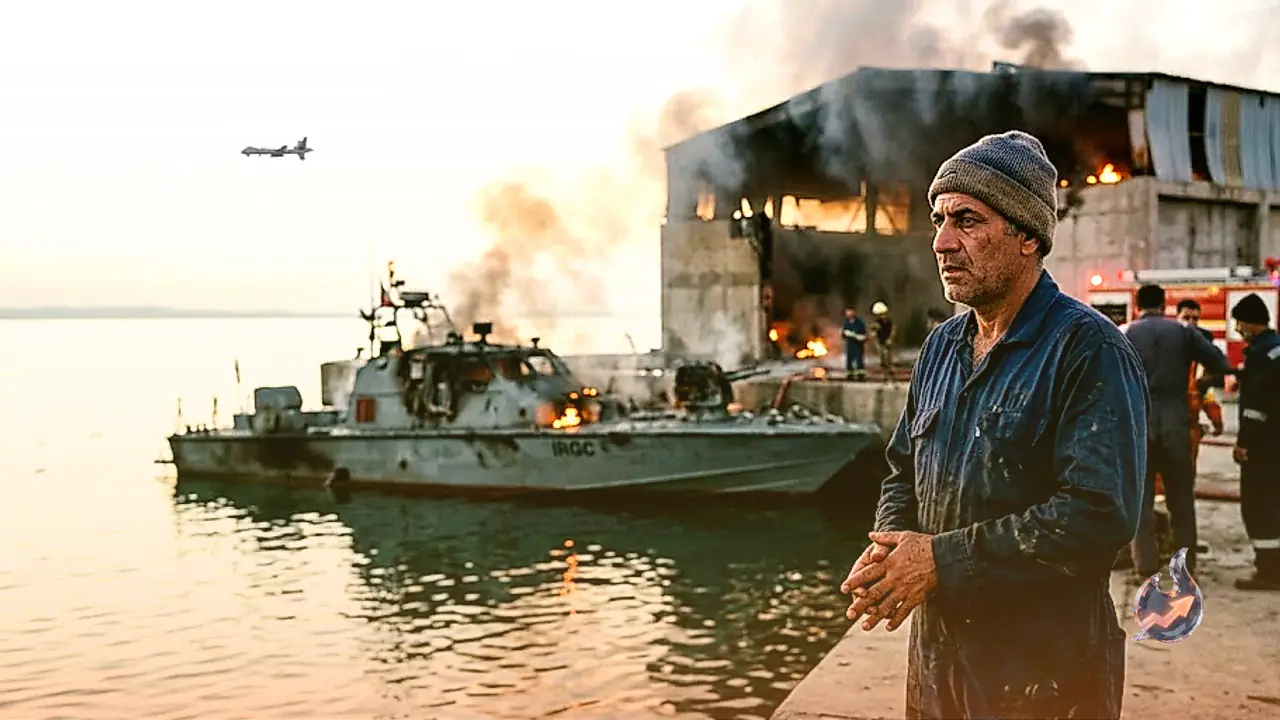





















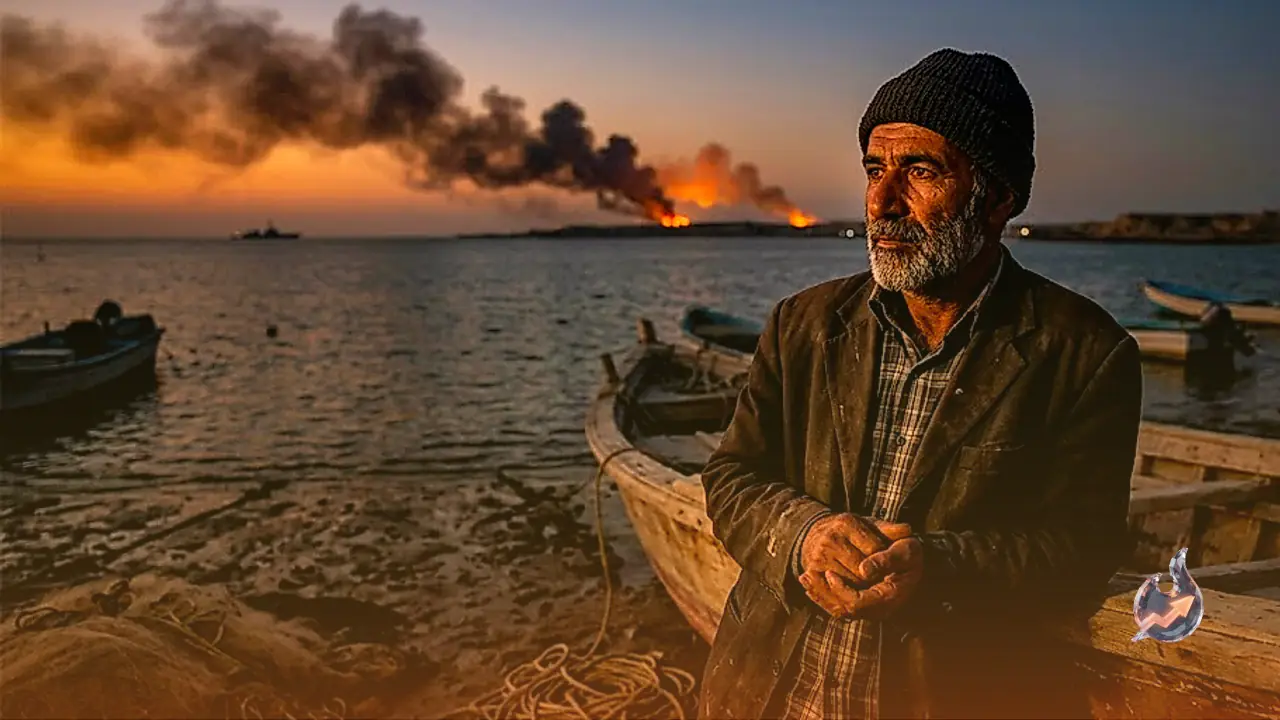

Explosion sounds have once again rung out on Iran's Qeshm Island, with Iran's semi-official Tasnim news agency reporting a fresh round of airstrikes carried out by US fighter jets. Tasnim said at least two blasts went off on the island during the latest wave of strikes.
New Blasts Reported on Qeshm
Tasnim said emergency, security and operational crews were rushed to the island right after the blasts to pinpoint exactly where the strikes landed and to check for casualties or damage, though no official assessment has been released yet. The island sits along the strategically vital Strait of Hormuz, making any attack there significant for regional shipping and energy trade. It is the latest site hit during the current run of American strikes, which have now stretched across Iran, Jordan, Kuwait and Bahrain over more than a week of near-nightly exchanges.
Behind the Latest Wave: Two US Soldiers Killed in Jordan
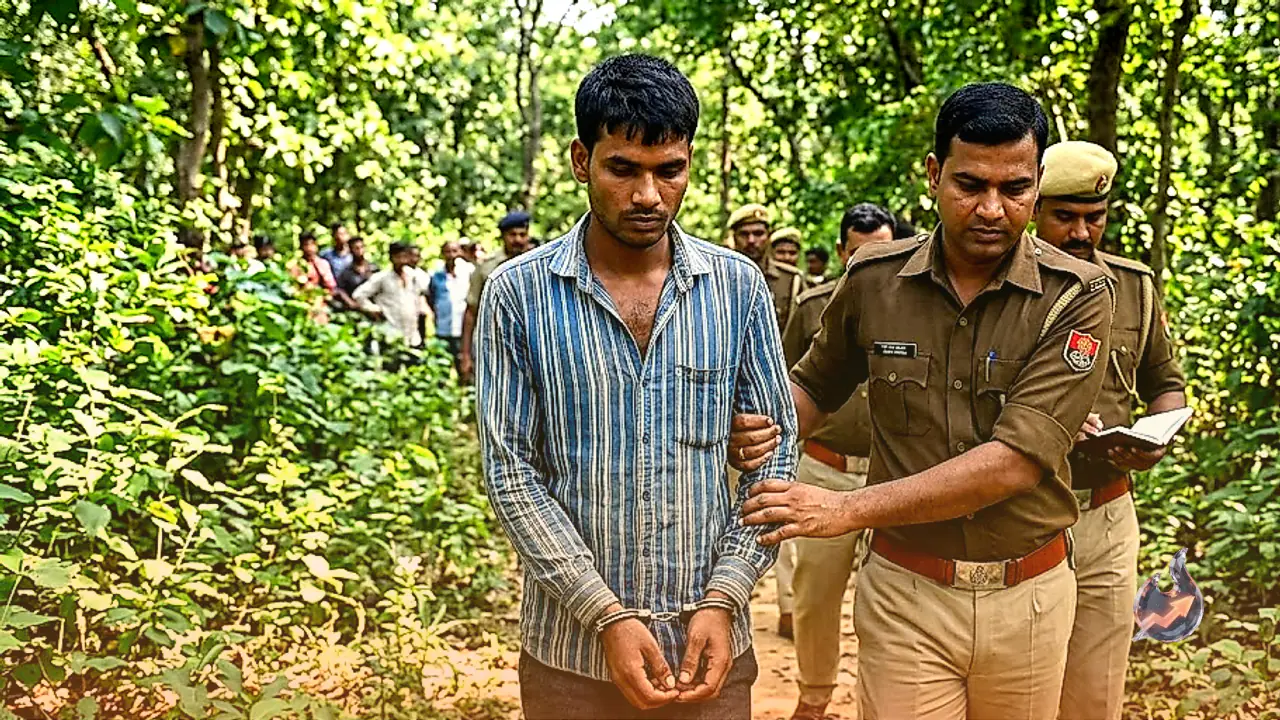
The bombing run on Qeshm is part of a wider set of American strikes carried out on Saturday, triggered by the deaths of two US troops in Jordan. Regional fighting has escalated sharply since then, with Tehran widening its campaign across the Gulf and promising further retaliation. CENTCOM said the two soldiers were killed while they "defended against Iranian ballistic missile and drone attacks," and added that a third service member is still missing. Their deaths push the confirmed American military death toll to 16 since fighting broke out on February 28.
Eighth Night of American Strikes
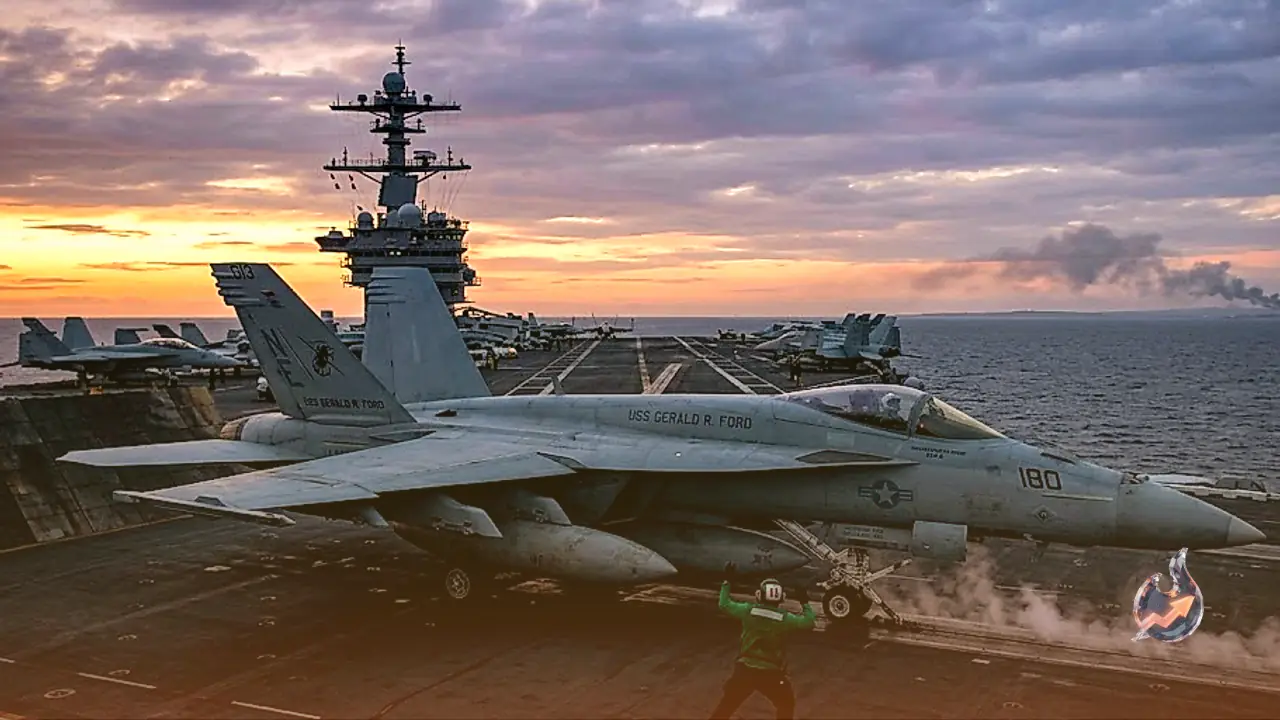
CENTCOM confirmed hours later that this marked an eighth straight night of US military action. Posting on X, the command said the goal was to weaken Iran's capacity to threaten commercial shipping through the Strait of Hormuz and to quickly punish the Islamic Revolutionary Guard Corps units behind the attack on American troops in Jordan. Iranian outlets Fars and Tasnim reported separately that US forces had also hit Sirik, a southern port city on the Strait of Hormuz.
Trump Defends the Campaign
President Donald Trump defended the military operation in a phone interview with The New York Post, arguing that the troops who died had made the ultimate sacrifice to stop Iran from getting a nuclear weapon, and cautioned the fighting could spread across the region if Tehran isn't stopped. Speaking roughly an hour after the newest strikes began, Trump called the soldiers' deaths "a shame" but insisted the mission had to continue. "They did it because they don't want to see Iran have a nuclear weapon," he said, adding that it showed how bad the Iranians are.
Tehran's Warning
Iran's Supreme Leader Mojtaba Khamenei, who took over after his father was killed on the first day of the US-Israeli strikes, said on state television that the continuing attacks had "once again demonstrated to everyone the worthlessness of the American president's signature." Major General Mohsen Rezaei, a top adviser to Khamenei, warned that Tehran would launch full-scale offensive operations if US bombing continues in coming days, telling state media that Iran would no longer confine itself to matching retaliation blow for blow.
Iran Strikes Back Across the Gulf
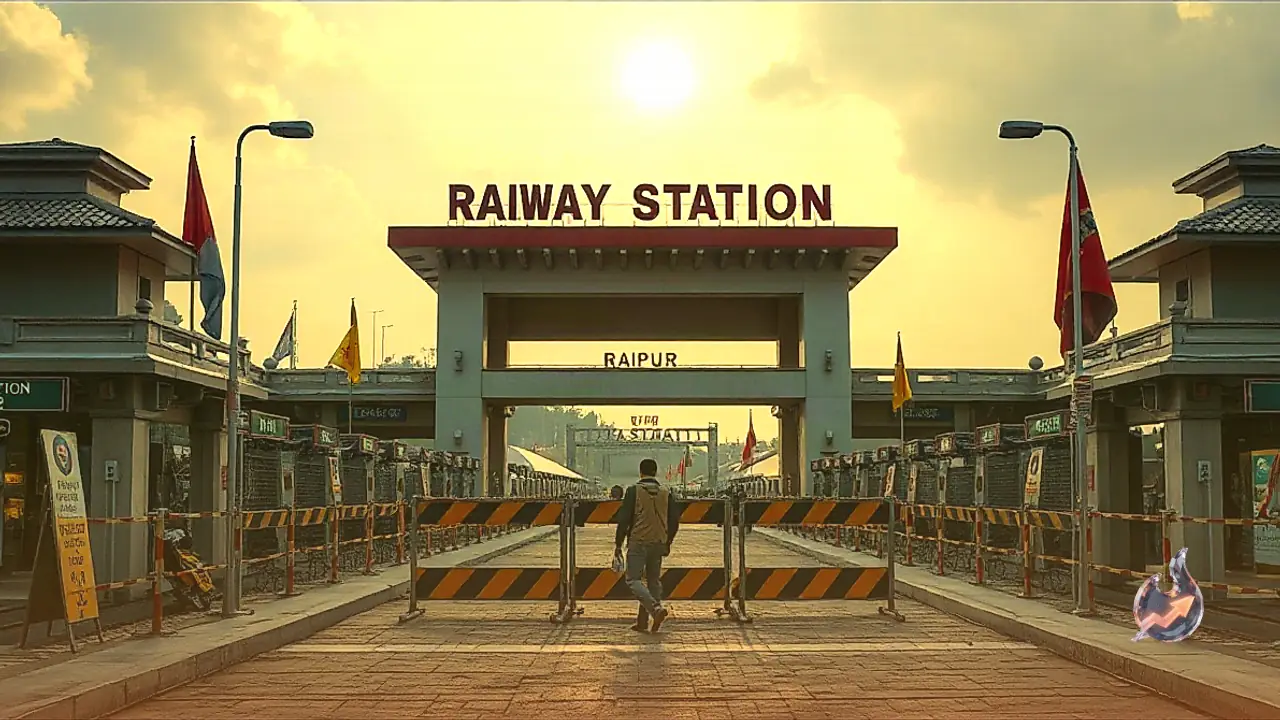
Iran has already hit back at infrastructure across the Gulf over the past week of intensified US bombing, claiming its forces struck an airport, a railway station and several bridges. Roughly a month after the two sides had signed an initial agreement to stop the fighting, Iran hit an oil facility as well as a power and desalination unit inside Kuwait, according to officials there. Kuwait has condemned the attack on civilian and essential infrastructure, as residents grow increasingly anxious about the drawn-out conflict.
Bahrain and Jordan Under Fire
Bahrain's military said its air defences shot down a wave of incoming Iranian strikes, though Iran's state broadcaster claimed its forces successfully hit a military airbase used by American troops in the country. Iranian state television also reported that fuel tanks at Jordan's Al-Azraq base, which hosts American forces, had been struck. A day earlier, the Revolutionary Guards said they had used missiles and drones against American aircraft stationed there. Jordan's military said it shot down 10 incoming missiles on Saturday, after intercepting at least three the previous day.
Strait of Hormuz and Rising Toll
The fresh strikes follow earlier Iranian action against ships passing through the Strait of Hormuz, the narrow but critical passage for Gulf energy exports. Iran had shut the strait once the fighting began, treating control of that waterway as a bargaining chip in talks with Washington, which has since reimposed its own blockade on Iranian ports. Iran's health ministry said Friday that the death toll since fighting resumed has reached 50, with over 500 people hurt.
A Conflict With No Clear End
Taken together, the strikes on Qeshm, Sirik, Kuwait's energy sites, Bahrain's airbase and Jordan's Al-Azraq base show how far the fighting has spread since the two US soldiers were killed in Jordan. Neither side has signalled any pullback: Washington says its bombing campaign is meant to choke off Iran's ability to threaten shipping through the Strait of Hormuz, while Tehran's own military leadership is warning of a shift from retaliatory strikes to full-scale offensive action if the American bombardments continue.