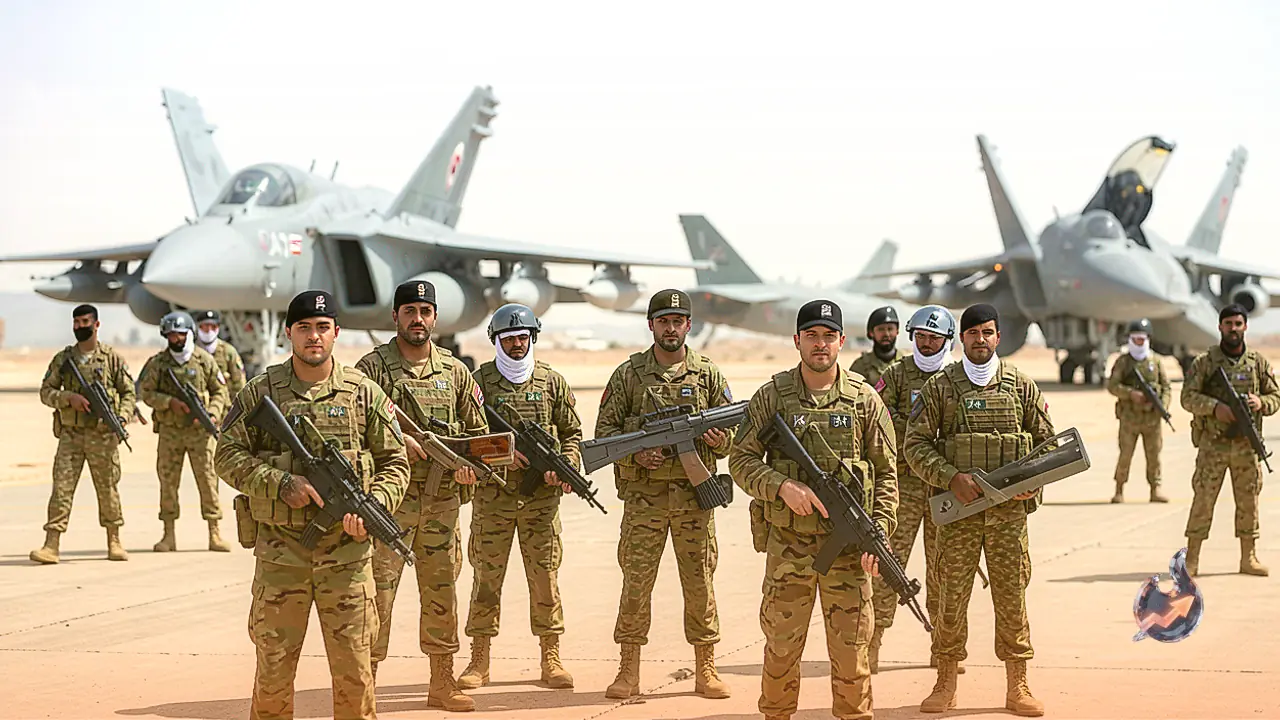





















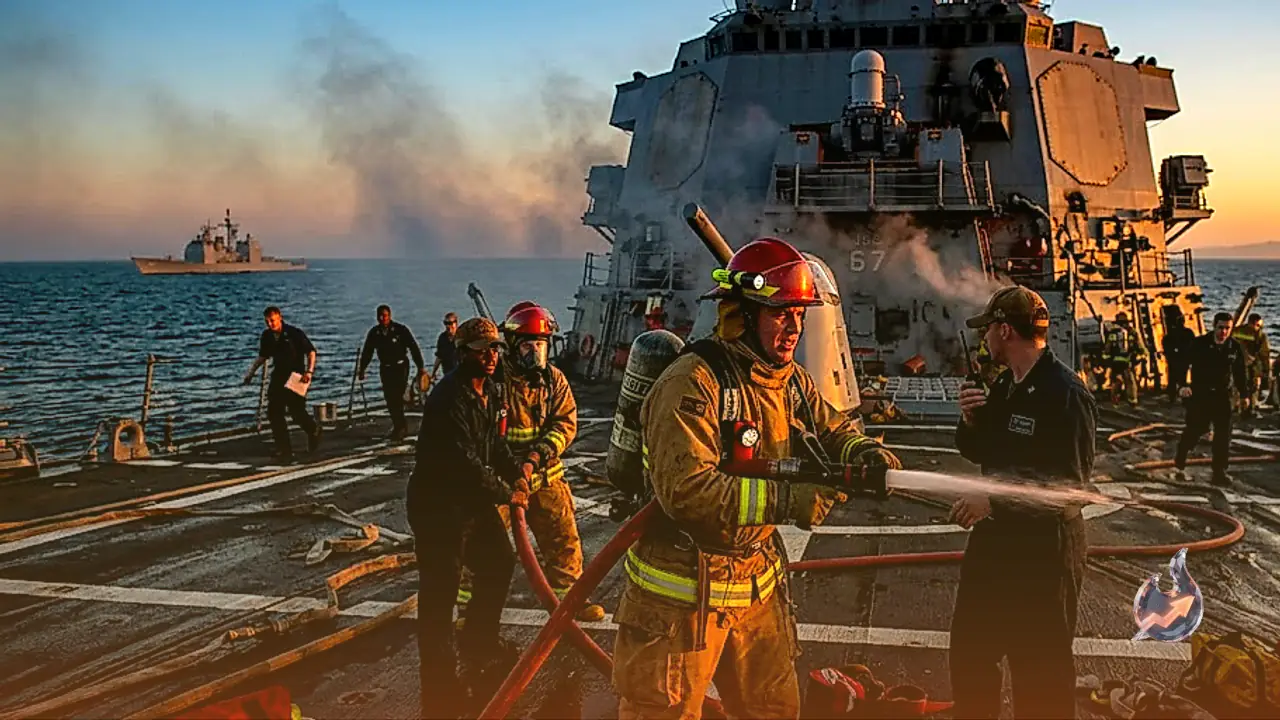

Fighting between Iran and the United States stretched into a seventh consecutive night in the Gulf, with Iran striking US Navy vessels using cruise missiles and hitting several military assets spread across the region, while US forces kept up retaliatory strikes on targets inside Iran.
How the standoff began
The clashes did not erupt overnight. Reports in March 2026 said Iran had used Qader cruise missiles to target the American warship USS Abraham Lincoln. By May 2026, the United States said it had struck targets inside Iran in response to an attack on its warships.
Strikes intensify in July
The confrontation escalated sharply in July 2026. On 13 July, Iran's state TV said Iran had used cruise missiles to target a US vessel. The same day, Iran struck US military assets in Kuwait with drones and cruise missiles and hit other locations across the Gulf, in what was described as one of the heaviest rounds of strikes against the US in recent months.
In response, the US on 15 July struck Iran's coastal defense systems along with cruise missile storage sites and launch positions. Then, on 17 July, Iran once again targeted US Navy vessels with cruise missiles and struck military assets across the Gulf. The same day also saw reports of a US ship being targeted in the Indian Ocean.
US strikes on Chabahar Port
US forces kept up their campaign inside Iran for a seventh straight night. The US Central Command, CENTCOM, confirmed it had destroyed a surveillance tower at Iran's Chabahar Port.
What are Qader missiles
The Qader cruise missiles that keep coming up in reports of Iran's strikes are considered capable of long range attacks and are seen as an important part of Iran's military arsenal. These are the same missiles reported to have been used to target the USS Abraham Lincoln in March 2026.
What happens next
The exchange of strikes and counterstrikes between the two sides has now stretched across several months, and tensions in the Gulf keep rising. The continued military action has raised concerns over oil supplies, maritime traffic and the safety of foreign nationals living in the region.