






















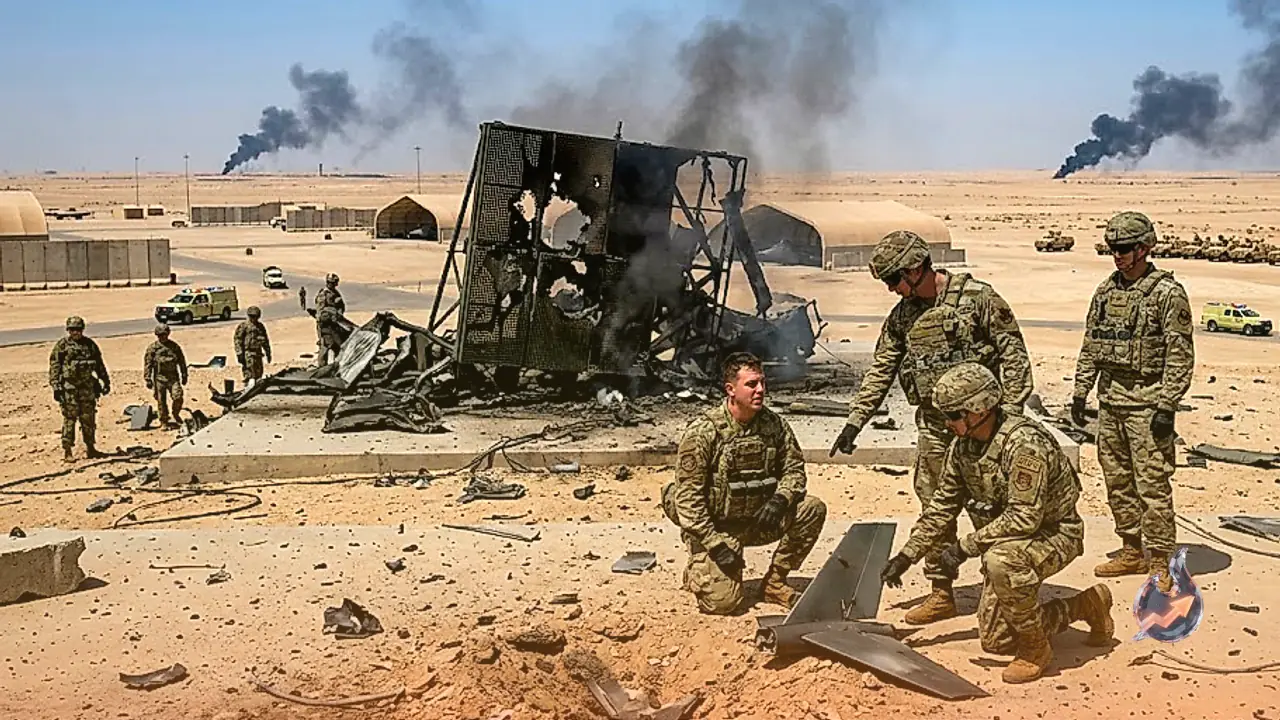

A dangerous new front opened in the deepening confrontation between Iran and the United States on Saturday, after Iranian forces declared they had flown waves of kamikaze drones into two American military sites on Kuwaiti soil. Tehran framed the assault as a straightforward reprisal for US bombing runs carried out over its own territory.
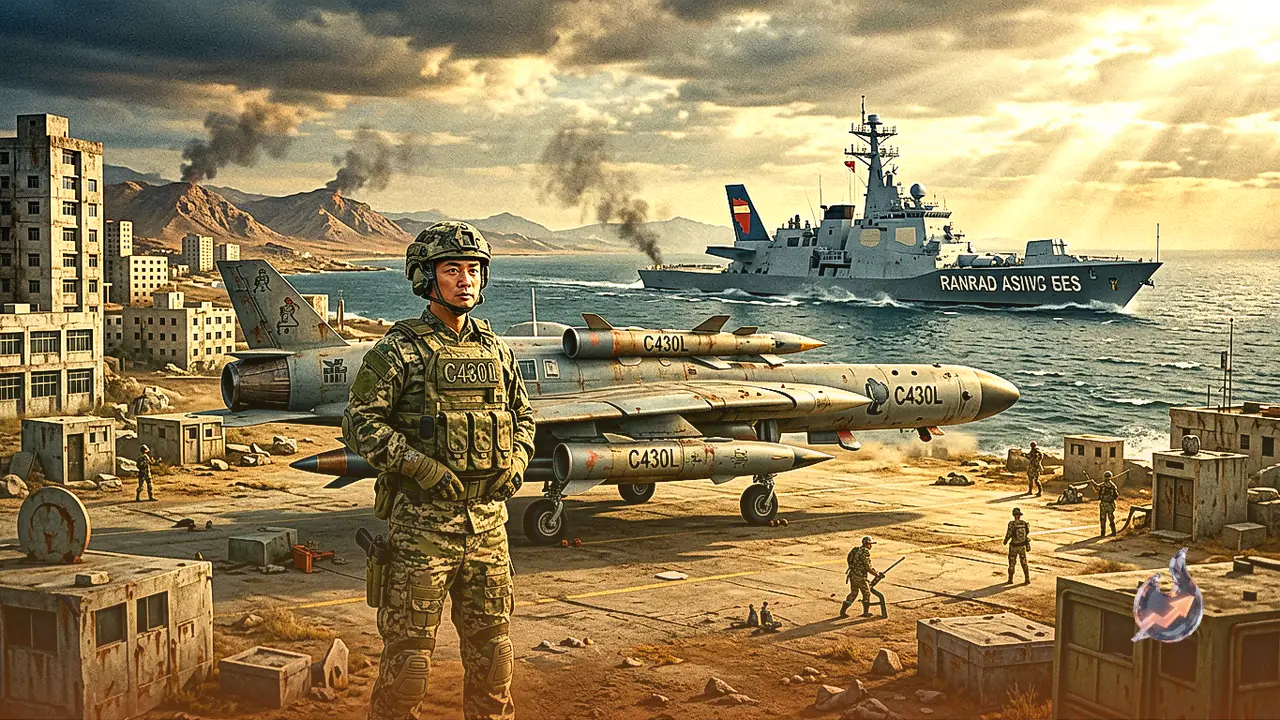
In a message carried on state television, the armed forces of the Islamic Republic said the drones had slammed into an American ammunition depot at Camp Udairi as well as the Patriot radar and air surveillance systems stationed at Ali Al Salem Air Base. Both locations sit inside Kuwait, a small Gulf nation that has increasingly found itself caught in the crossfire of this war.
What set off the latest exchange
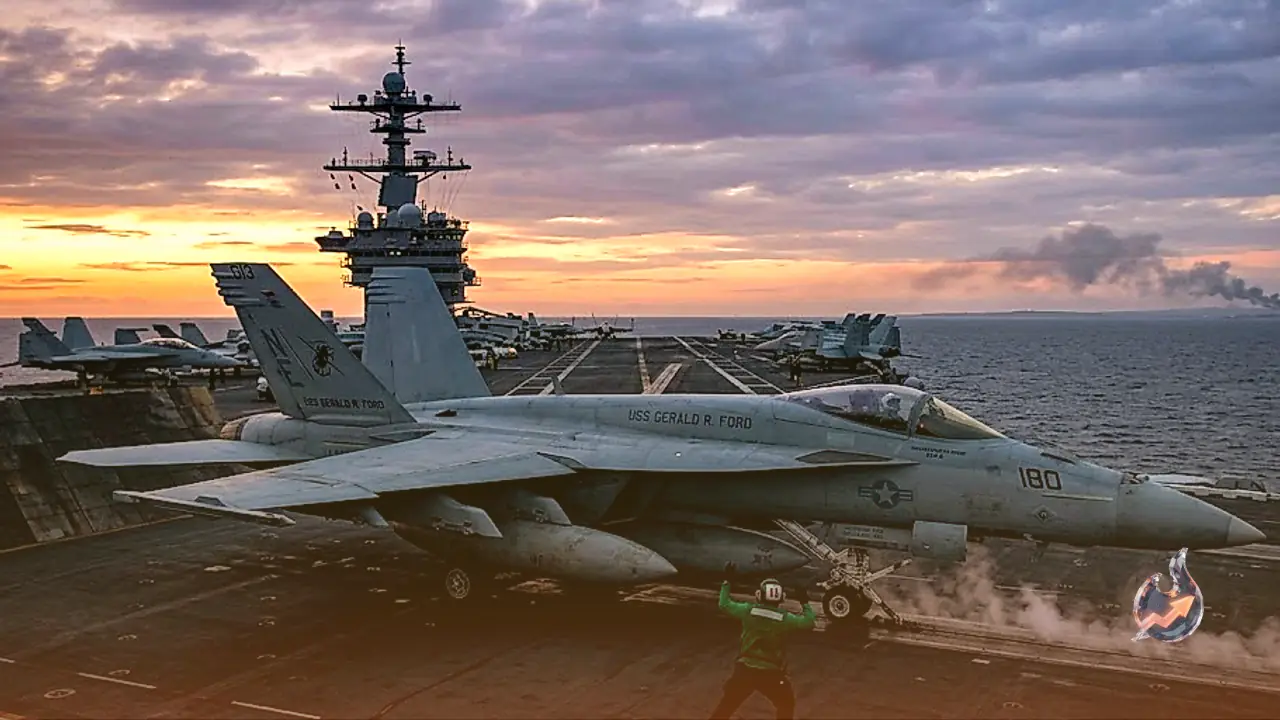
The drone barrage came just hours after Washington launched a fresh series of airstrikes on Iran on Sunday. American defence officials said that operation had been ordered in response to a deadly drone and missile assault on a military post in Jordan the previous Friday. That attack killed two US service members, left another unaccounted for, and sent four more to hospital.
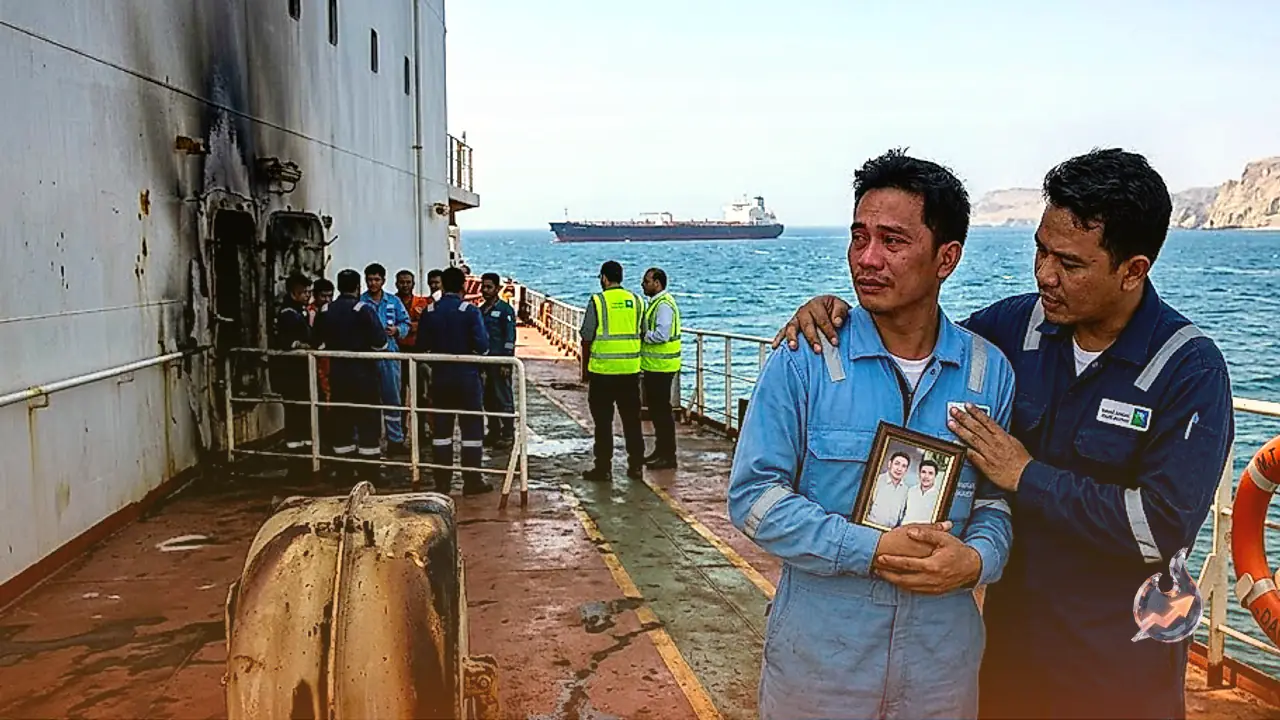
Commanders overseeing US forces in the region said the counterstrikes were meant to "swiftly punish" Iran's Revolutionary Guard and to chip away at Tehran's capacity to choke off oil tanker traffic through the Strait of Hormuz, one of the planet's most important shipping lanes.
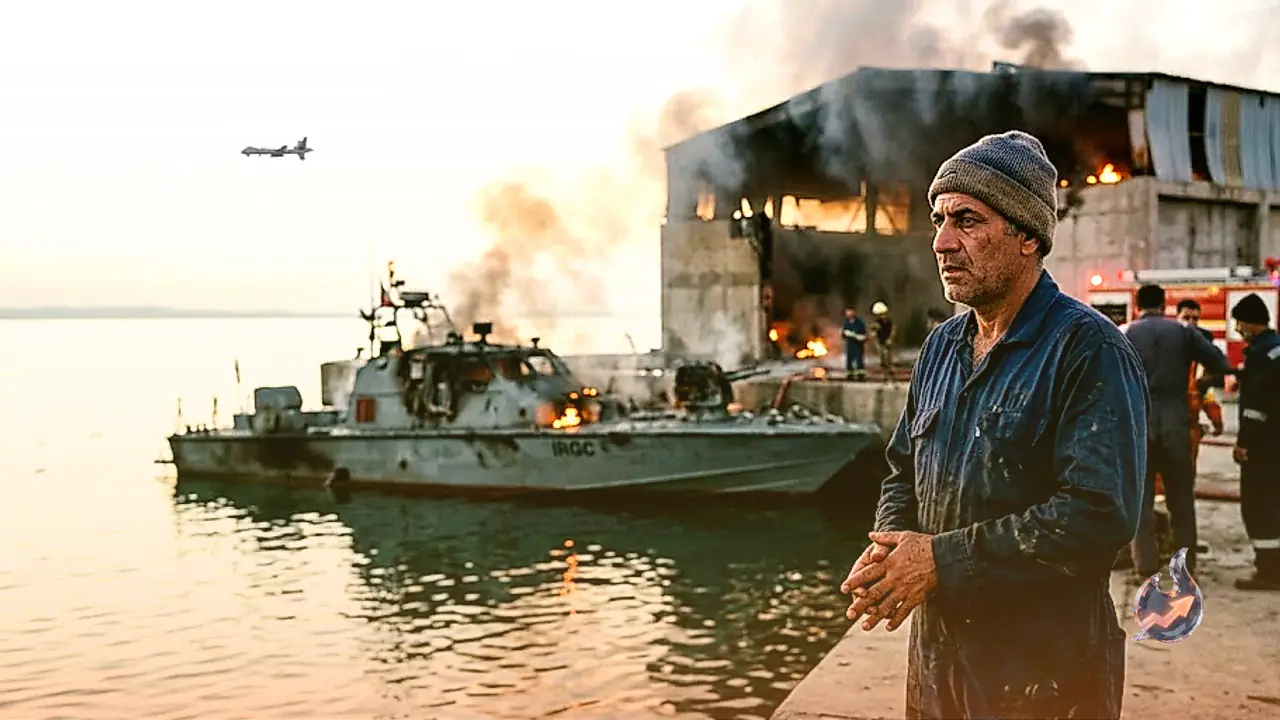
Local officials in Iran's southern Hormozgan province said a stretch of land close to Sirik, along the Strait of Hormuz, was struck at around 1:30 am local time. The blows landed as instability rippled outward across the region, with drone attacks reported in Iraq, fresh threats issued from Tehran, and civilian and energy sites in Kuwait taking damage.
A grim and rising death toll
US commanders released few specifics and declined to name the two personnel killed in Jordan. Even so, defence officials acknowledged that those deaths marked the first time American troops had been killed by direct Iranian fire since the fighting first erupted. By the latest count, 16 US service members have died and more than 430 have been wounded since the conflict began.
The record of casualties stretches back through the early weeks of the war. Before the Jordan deaths, the most recent American loss was a helicopter pilot who went down in the Arabian Sea earlier this month. In the opening phase, six soldiers died in an Iranian drone strike on a command post in Kuwait, one was killed in an attack on a base in Saudi Arabia, and six more perished when a refuelling plane crashed in Iraq.
Diplomacy collapses
Whatever negotiating channels remained have now fallen apart. Just before Washington confirmed the service members' deaths on Saturday, Iran's supreme leader warned that the United States would be taught "unforgettable lessons" if it kept striking the Islamic Republic.
The televised remarks were attributed to Mojtaba Khamenei, who has stayed out of sight since the war began. He also dismissed a signature of US President Donald Trump as "worthless and invalid". Adding to the breakdown, an Iranian negotiator said Tehran was formally walking away from the commitments it made under an interim agreement signed roughly a month earlier, a pact that had been meant to bring the hostilities to a permanent close.
Tehran made clear its threat reached beyond its own uniformed forces to the regional militias it calls the "Axis of Resistance". In response to the mounting danger, Washington put out a worldwide travel alert. Iran's Deputy Foreign Minister, Kazem Gharibabadi, told state television that the US had violated its side of the interim understanding and that Iran was "no longer implementing them", offering nothing on whether any mediation might resume.
The fight for the Strait of Hormuz
At its heart, the standoff is a contest over the Strait of Hormuz, a narrow waterway that handled close to 20 per cent of the world's oil before the war. As the air campaign has broadened, the danger to ordinary people and essential facilities, among them plants that turn seawater into drinking water, has grown sharply.
Kuwait bears the brunt
Kuwait absorbed the heaviest immediate damage from Saturday's Iranian strikes. A desalination plant and a petroleum installation were both hit, though Kuwaiti officials and the Kuwait Petroleum Corporation kept the exact sites under wraps. It was the second time in 48 hours that a desalination facility had been targeted in a country that depends on the process for 90 per cent of its drinking water.
The attacks left several people hurt at the oil site and touched off a fire at the desalination plant, knocking several power generation units out of service. The Kuwait Fire Force said a number of firefighters and one worker were injured as they battled two additional blazes sparked by the bombardment. Authorities briefly shut Kuwaiti airspace, forcing Kuwait Airways to rework most of its departures from the capital.
Neighbours scramble to defend
The turmoil quickly spilled across borders and put nearby states on alert. Jordan said its air defence batteries had tracked and shot down several incoming Iranian missiles. Elsewhere, air raid sirens wailed repeatedly in Bahrain through the day and sounded across Saudi Arabia in the morning hours, as governments in the region steeled themselves for whatever might come next.