






















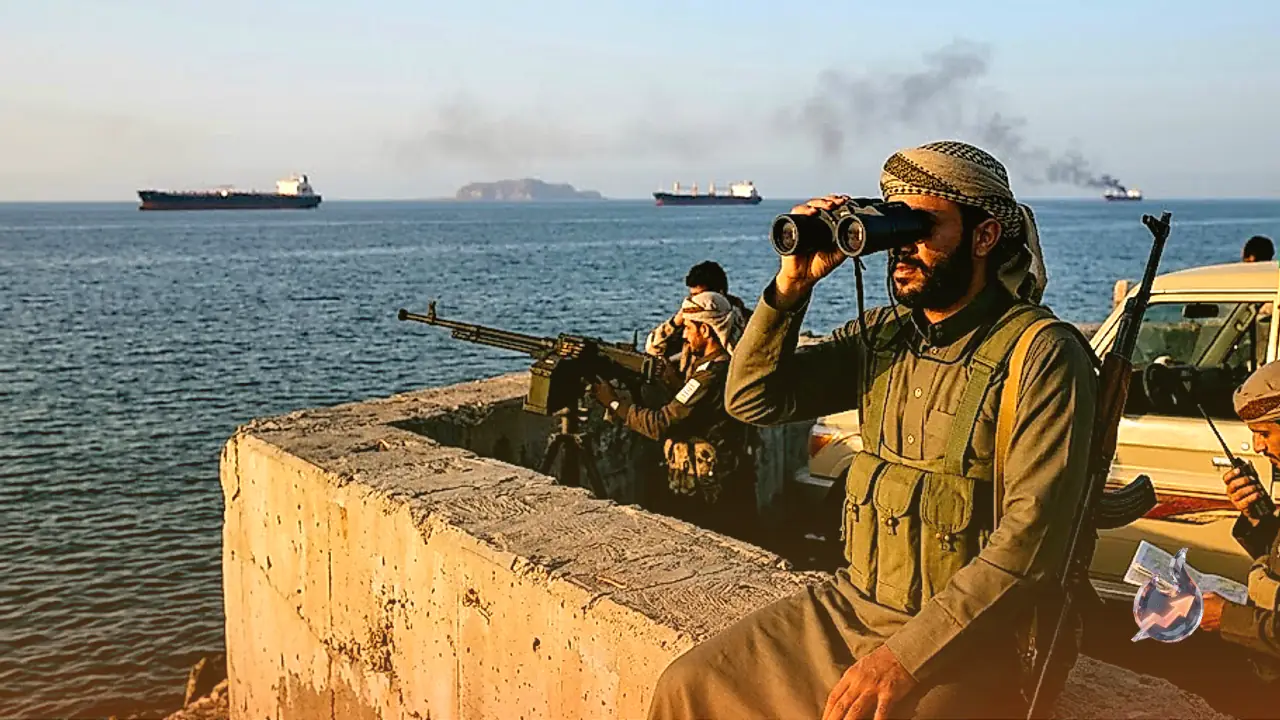

Yemen's civil conflict has flared aggressively in recent weeks as the Iran-backed Houthi movement, which dominates the country's north-west, captured major tracts of the strategic Red Sea coastline during a sweeping offensive. Central to these territorial gains is the port of Mokha, a maritime foothold looking directly out over the Bab al-Mandab Strait, an indispensable choke point for international freight and oil transit. The maritime push comes in the wake of six months of armed conflict between the US, Israel and Iran, triggering immediate fears of wider economic disruption and pushing global crude prices higher.
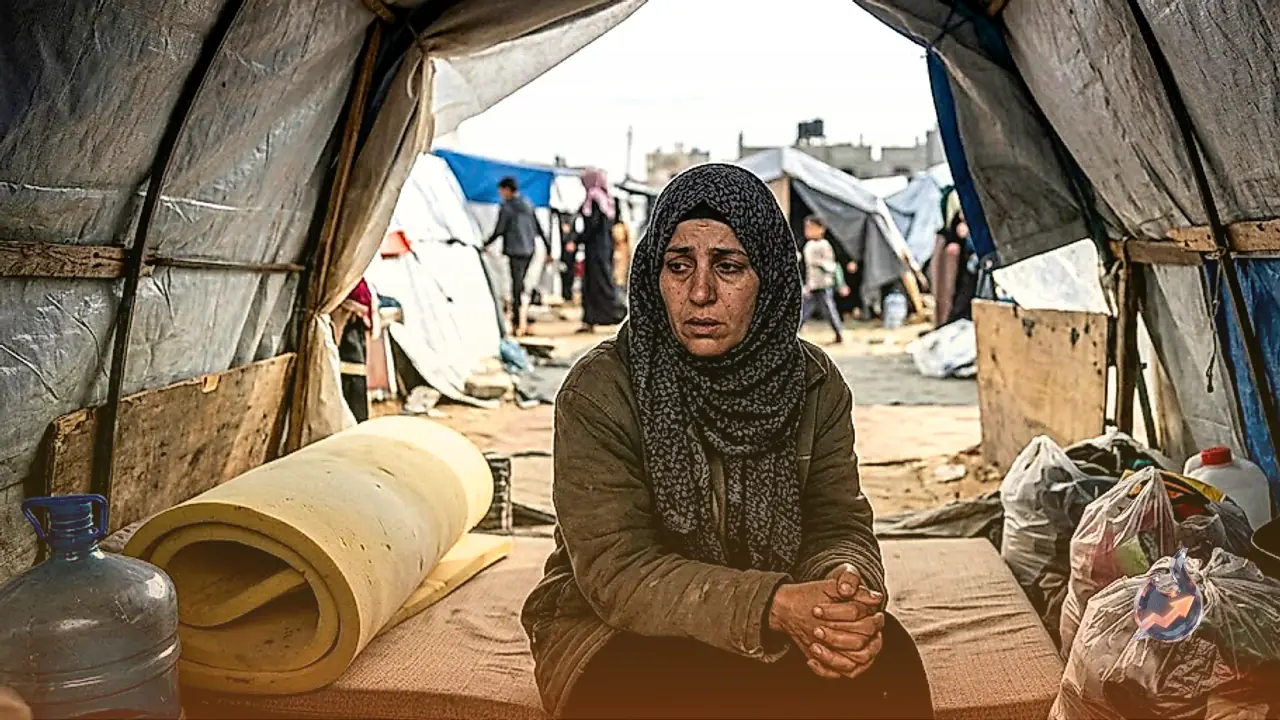
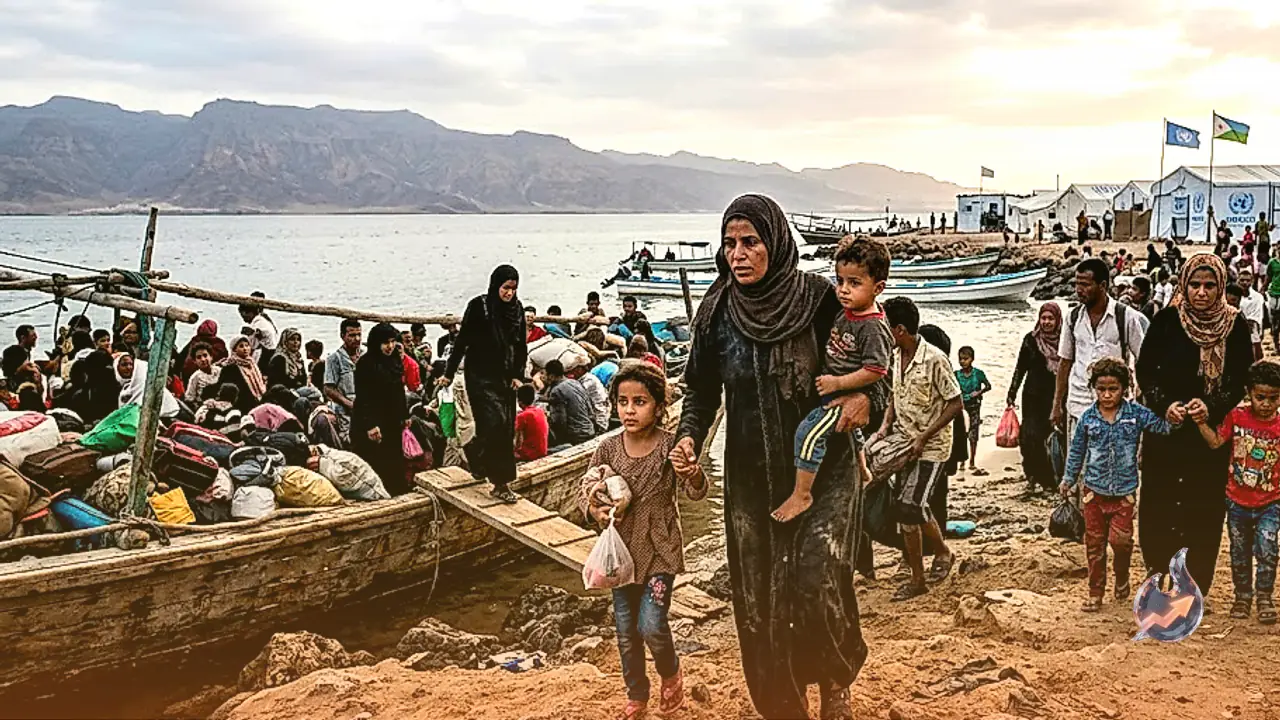
The rapid advance by Houthi forces follows the formal breakdown of a four-year informal ceasefire, with casualties mounting rapidly. Hundreds of combatants have been killed on both sides across the battlefronts, while the United Nations reports that the renewed violence has uprooted and displaced more than 120,000 civilians. Saudi Arabia, which shares a southern border with Yemen and remains the chief backer of its internationally recognized administration, has responded with aerial bombing runs. The Houthis, in turn, launched volleys of explosive drones and missiles into south-western Saudi territory while singling out commercial ships operating in the Red Sea with links to Riyadh.
Roots and Ideological Alignment of the Houthi Movement
The Houthis originated in northern Yemen as an armed political and religious faction fighting for the interests of the Zaidi community, a Shia Muslim minority within the country. Operating under the official banner of Ansar Allah, which translates to Partisans of God, the faction coalesced during the 1990s and took its name from Hussein al-Houthi, the movement's late founder. Since his death in 2004, authority has rested with his brother, Abdul Malik al-Houthi, who serves as the group's de facto commander.
On the international stage, the group identifies as a primary member of Tehran's self-described "axis of resistance", standing alongside groups like Hamas in Gaza and Hezbollah in Lebanon to oppose American, Israeli and wider Western influence in the region. During the early 2000s, Houthi fighters engaged in armed insurgencies against the autocratic government of then-President Ali Abdullah Saleh, demanding greater local self-rule in their northern mountainous strongholds. The upheaval of the 2011 Arab Spring, which forced Saleh to step down and transfer power to his deputy, created an administrative vacuum that enabled Houthi forces to sweep south and take the capital city of Sanaa.
Since that takeover, the organization's military apparatus has expanded considerably. Mobilized forces swelled to an estimated 350,000 personnel last year. Even though their territorial footprint covers only between one-quarter and one-third of Yemen's geography, that territory encompasses between 70% and 80% of the entire population, giving them administrative dominance over roughly 30 million civilians. Strategically, the Houthis demand the total dismantling of the Saudi-led blockade, unquestioned authority over all of Yemen, and direct access to state revenues generated from national oil and gas exports.
A Decade of Stalemate, Regional War and Fractured Ceasefires
Houthi control over northern Yemen has remained entrenched since 2014. Apprehensive that its southern neighbour would fall permanently under the influence of Iran, Saudi Arabia formed an Arab military coalition in 2015 to intervene on behalf of the displaced internationally recognized government. That campaign brought years of punishing aerial campaigns and grinding land battles, yet it failed to push Houthi units out of their core mountain bases or major urban centers, while pushing Yemen into one of the world's most catastrophic humanitarian disasters. A fragile, negotiated truce eventually took hold in 2022.
That regional holding pattern broke down following the outbreak of the Gaza war in October 2023. Declaring solidarity with Palestinians, the Houthis launched repeated long-range missile and drone attacks towards Israel, accompanied by strikes on international cargo vessels plying the Red Sea and Gulf of Aden. In response, Western powers deployed naval task forces to the waterway, and the US, the UK and Israel launched strikes against Houthi command targets in Yemen, including an Israeli strike that killed senior officials within the Houthi-declared cabinet, among them its prime minister.
By 2025, mutual understandings led the US and the Houthis to pause strikes against each other. Furthermore, after a temporary ceasefire took effect in Gaza in October 2025, Houthi missile launches aimed at Israel subsided. That pause proved short-lived: following joint strikes on Iranian territory carried out by the US and Israel in February 2026, the Houthis resumed projectile fire targeting Israeli destinations.
The July Maritime Embargo and the Advance to Bab al-Mandab
The unwritten security arrangement between Saudi Arabia and the Houthis unraveled in July. Citing ongoing airport strikes in Sanaa and what they described as a prolonged Saudi siege, the Houthis proclaimed a unilateral maritime embargo against Saudi Arabia. They began bombarding Saudi airports, energy refineries and Red Sea oil tankers with swarms of drones and ballistic weaponry.
Matters escalated drastically in September when Houthi ground battalions pushed down the coastline, capturing an 81-mile stretch measuring roughly 130 kilometers, alongside the strategically vital outpost of Perim Island. This lightning advance gave the faction direct operational oversight over the Bab al-Mandab Strait. While the movement maintained that harmless commercial passage remained open to all neutral shipping not tied to Saudi interests, international shipping operators faced renewed peril.
The vulnerability of Bab al-Mandab presents acute challenges for global petroleum logistics. Following disruptions in the Persian Gulf's Strait of Hormuz caused by the US-Israeli conflict with Iran, Saudi Arabia had increasingly routed crude shipments through Red Sea routes. Houthi missile strikes on Saudi energy facilities, accompanied by a sabotage strike on the East-West Pipeline attributed to Iran-backed militias based in Iraq, have amplified market anxieties and raised the prospect of direct Western military re-intervention.
Diplomatic accounts revealed that both the Yemeni government and Saudi Crown Prince Mohammed bin Salman appealed directly to President Trump to carry out retaliatory airstrikes against Houthi forces. Trump declined to intervene militarily, stating that the Houthis had adhered to their commitment to refrain from attacking American assets.
Tehran's Arsenal and the Evolution of Houthi Weapons
Western intelligence agencies and Saudi officials have continuously accused Iran of flouting United Nations arms embargos by smuggling ballistic missiles, loitering munitions and cruise missiles to Houthi units during the civil conflict.
A formal investigation by an independent panel of United Nations experts determined in 2024 that the Houthis had evolved into a formidable, conventional-grade military entity. That transformation was accelerated by hands-on technical instruction, supply lines and operational backing provided by Iran's Islamic Revolutionary Guard Corps, Lebanese Hezbollah, and technical operatives from Iraq.
Further corroborating this shift, Conflict Armament Research published a field study in May 2026, following the outbreak of the regional Iran conflict. The report indicated that Tehran had transitioned from shipping fully assembled weaponry to delivering modular components that Houthi technical teams assemble within Yemen. The transfer of increasingly refined missile guidance and propulsion technology has further expanded their independent strike capabilities, even as Tehran maintains that it provides the Houthis with purely diplomatic and political backing rather than lethal hardware.