






















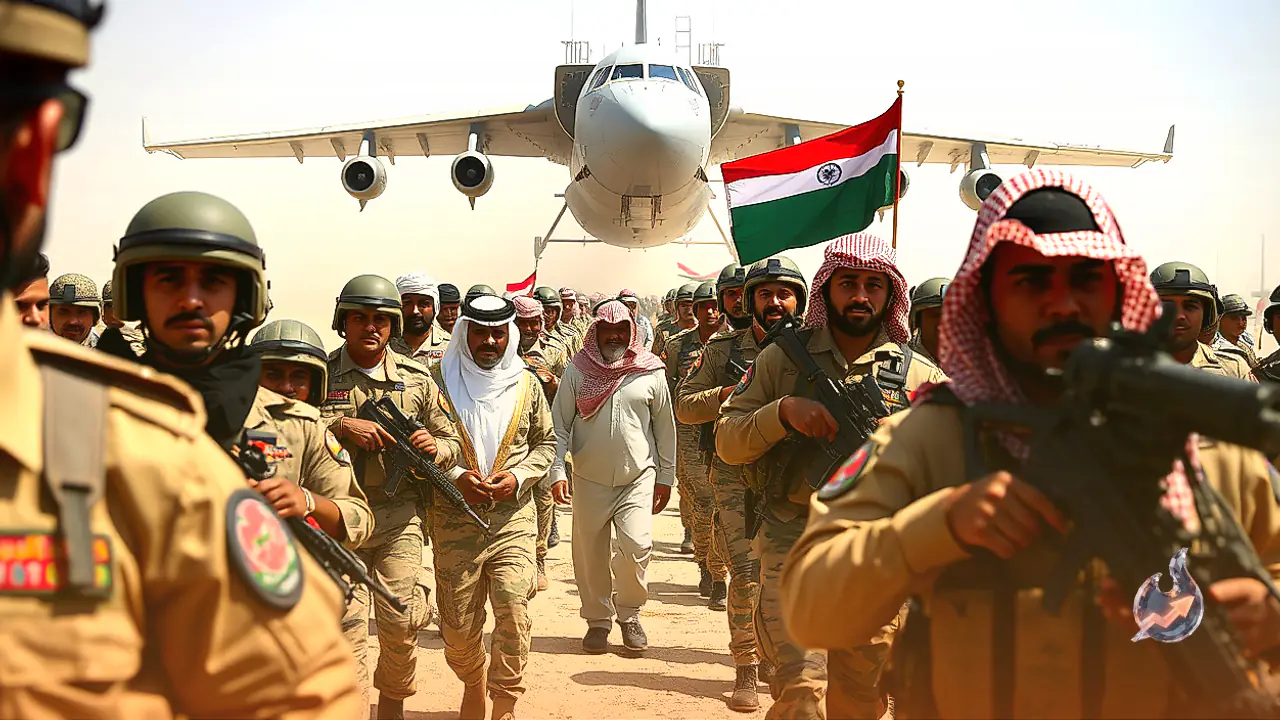

Yemeni government forces backed by Saudi Arabia have established control over the strategically critical Bab al-Mandab Strait, initiating a major military offensive aimed at dislodging the Iran-aligned Houthi movement from across the country. The push marks a significant escalation in the protracted conflict, with fighting expanding across maritime passages and key inland battlegrounds.
Encirclement in Dhubab and Coalition Aerial Strikes
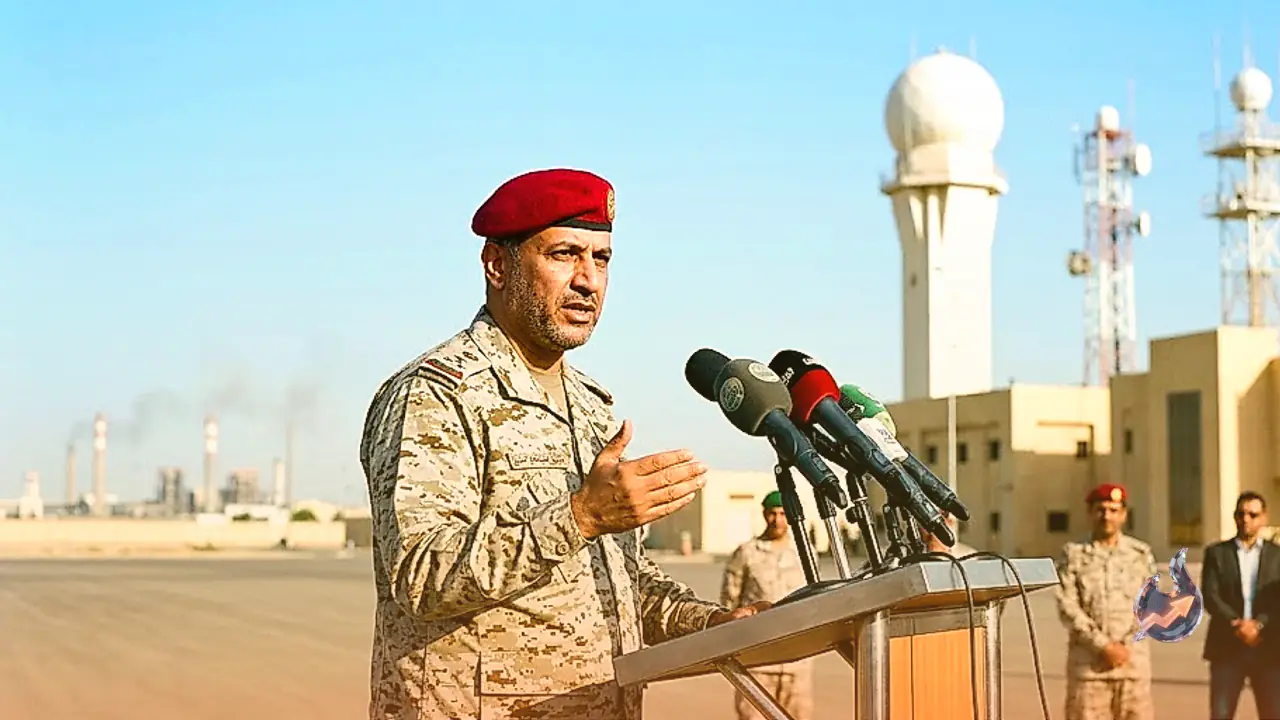
A Yemeni military spokesman confirmed that units from the Giants Brigades and the National Shield forces have surrounded Houthi combatants in the coastal Red Sea hub of Dhubab, positioned directly alongside the strategic waterway. Pro-government units captured Dhubab airport and severed the primary motorway connecting the town to the port city of Mokha. Houthi-run media outlets contested these reports, asserting that pro-government units had made no ground advances in the Dhubab sector.
In direct support of the ground push, the Saudi-led military coalition conducted extensive aerial operations. Coalition officials stated that their fighter jets struck and eliminated more than 300 high-value Houthi targets across designated operational sectors.
Government Vows Full Reclamation of Territory
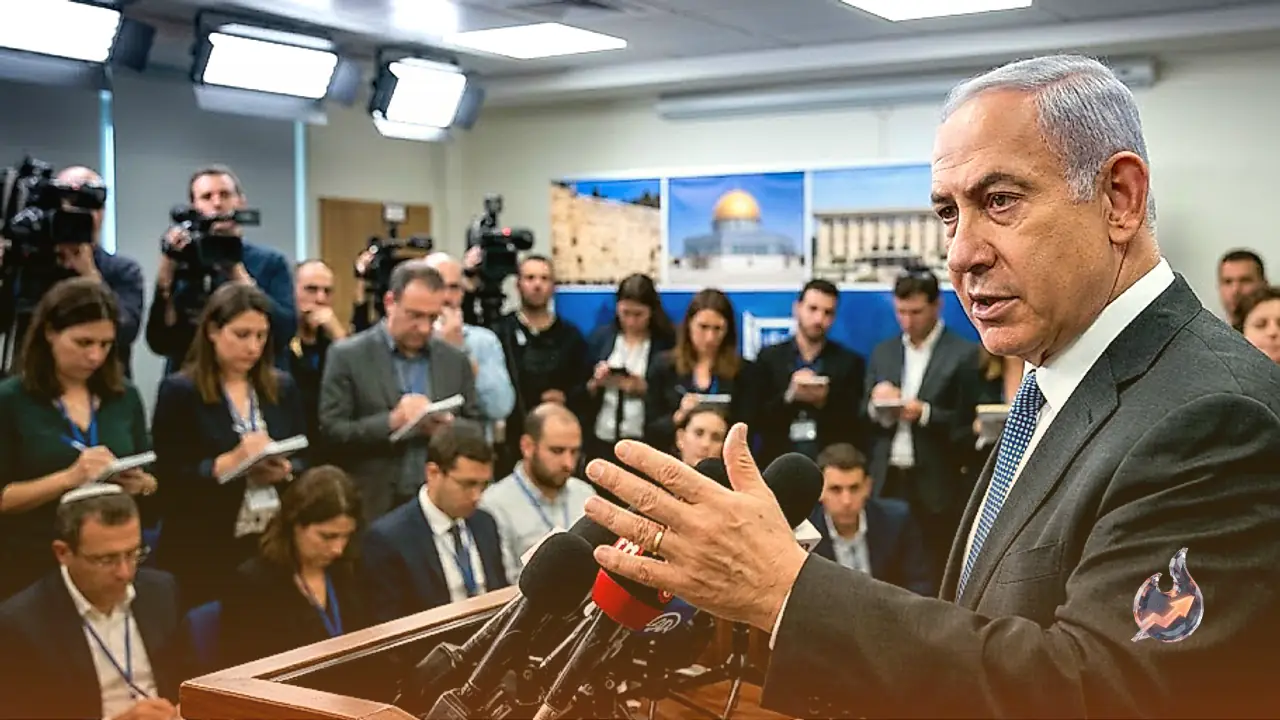
The push follows a formal declaration by Rashad al-Alimi, head of Yemen's internationally recognised Presidential Leadership Council, who announced the start of a nationwide offensive to recapture all territories under Houthi control. Al-Alimi maintained that diplomatic efforts and opportunities for peaceful de-escalation had been entirely exhausted.
Addressing the armed services, security units, and associated military formations, Rashad al-Alimi called on troops to execute their missions under approved operational blueprints until the nation is completely liberated from the grip of the Houthi militia.
Taiz Encirclement and Strikes on Aramco Infrastructure
Tensions spiked sharply prior to the coastal push when Houthi forces severed an essential mountain pass outside the south-western city of Taiz, effectively cutting off road transit and leaving government soldiers and local civilians encircled.
The Houthis responded to coalition air raids by launching ballistic missiles and unmanned aerial drones targeting Saudi Aramco oil installations in Riyadh and the Khurais region of Saudi Arabia. Houthi spokesmen claimed these cross-border strikes were direct retaliation for the coalition's repeated bombardments on their positions.
Collapse of the Four-Year Informal Truce
The ongoing civil conflict originated in 2014 when Houthi forces seized Sanaa, ousting the central government. The crisis deepened into an internationalised conflict in 2015 when a coalition of Arab states spearheaded by Saudi Arabia launched a military intervention seeking to reinstate the government.
An informal ceasefire that had largely held for four years unraveled in July. The breakdown accelerated when the Houthis declared a maritime embargo targeting Saudi Arabia, initiating drone and missile strikes against Saudi commercial airports, petroleum infrastructure, and tankers navigating the Red Sea. The group asserted that these strikes were a countermeasure against a Saudi blockade affecting ports and airports in Houthi-controlled zones, alongside an airstrike targeting Sanaa airport that they attributed to the kingdom.
Territorial Shifts Along the Coast and Humanitarian Toll
Last month, Houthi forces conducted a surprise assault along the south-western Red Sea littoral, driving pro-government troops out of vital areas overlooking the Bab al-Mandab Strait, including Dhubab, Mokha, and Perim (Mayyun) Island. At the time, the Houthis declared that international commercial navigation through the chokepoint remained safe, though they pledged to continue striking Saudi-linked vessels. Government units have now mobilized to reclaim these critical footholds.
Operations have also been initiated across multiple inland fronts, including approaches toward the capital Sanaa, which fell to Houthi control 12 years ago. The renewed clashes have inflicted severe civilian devastation. According to the Yemeni government's health ministry, fighting since 6 August has killed at least 959 individuals and wounded 5,000 others. Furthermore, UN figures confirm that roughly 197,000 residents have been displaced by the latest round of hostilities.