





















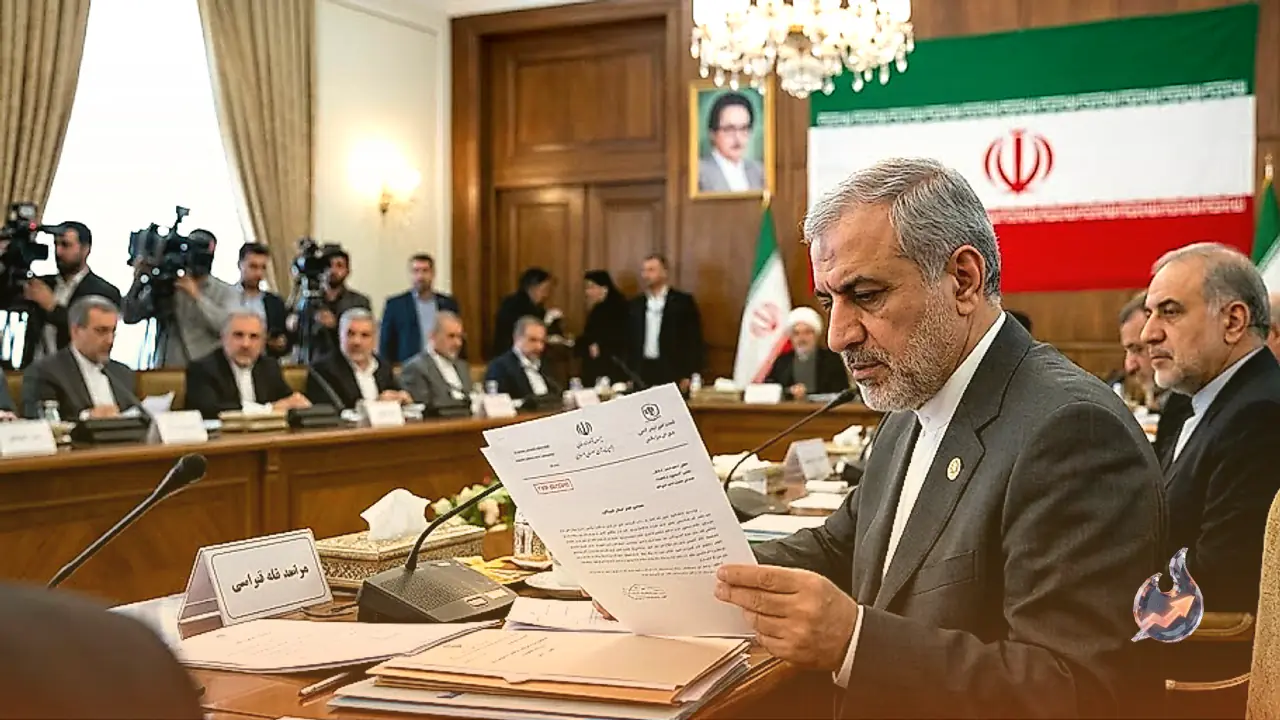

A notable shift has emerged in the standoff between Tehran and Washington as Iran confirmed receiving an official response from the United States regarding a proposed framework to end the ongoing war. While Iranian officials have acknowledged delivery of the diplomatic paper, they have stopped short of disclosing whether Washington agreed to the terms or turned them down. Foreign Minister Abbas Araghchi formally presented the American reply to President Masoud Pezeshkian during a cabinet meeting in Tehran, with government spokesperson Fatemeh Mohajerani confirming the development.
Tehran Emphasizes Equitable Negotiations
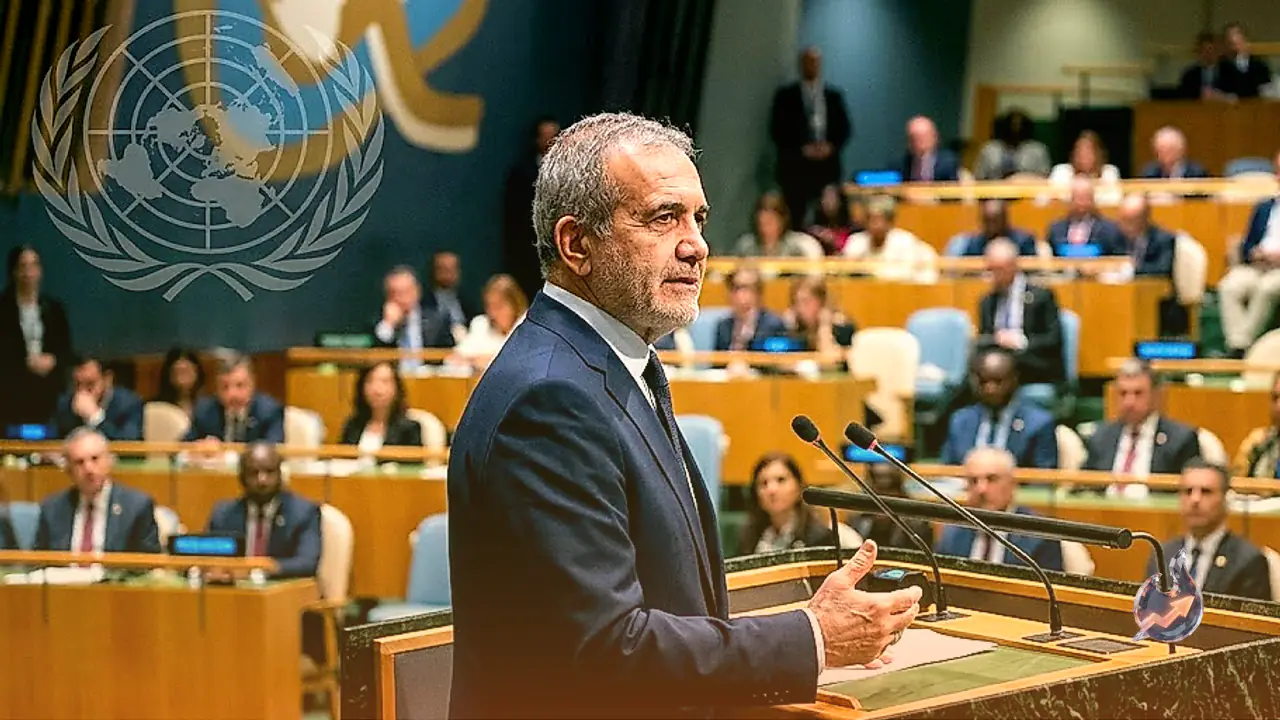
Addressing the diplomatic exchange, President Masoud Pezeshkian reaffirmed his administration's determination to pursue a resolution while safeguarding national interests. He explained that authorities will commit full efforts toward making an agreement work, provided the terms firmly uphold the rights of the Iranian public. The president stressed that any lasting resolution must operate on an equitable footing that benefits both sides rather than imposing unilateral demands, adding that Tehran will stand firm on its core sovereignty throughout any negotiation process.
Backchannel Talks in New York
The latest diplomatic back-and-forth follows indirect discussions held in New York during the recent United Nations General Assembly session. Iranian Foreign Minister Abbas Araghchi led delegations engaged in indirect diplomacy with American representatives, relying on intermediaries from Qatar and Pakistan to shuttle proposals between the adversaries. During the Tehran cabinet briefing, the foreign minister outlined the sequence of those meetings, explaining how specific conditions regarding the reopening of the Strait of Hormuz were communicated to Washington through regional mediators.
Conditions Outlined for Reopening the Strait of Hormuz
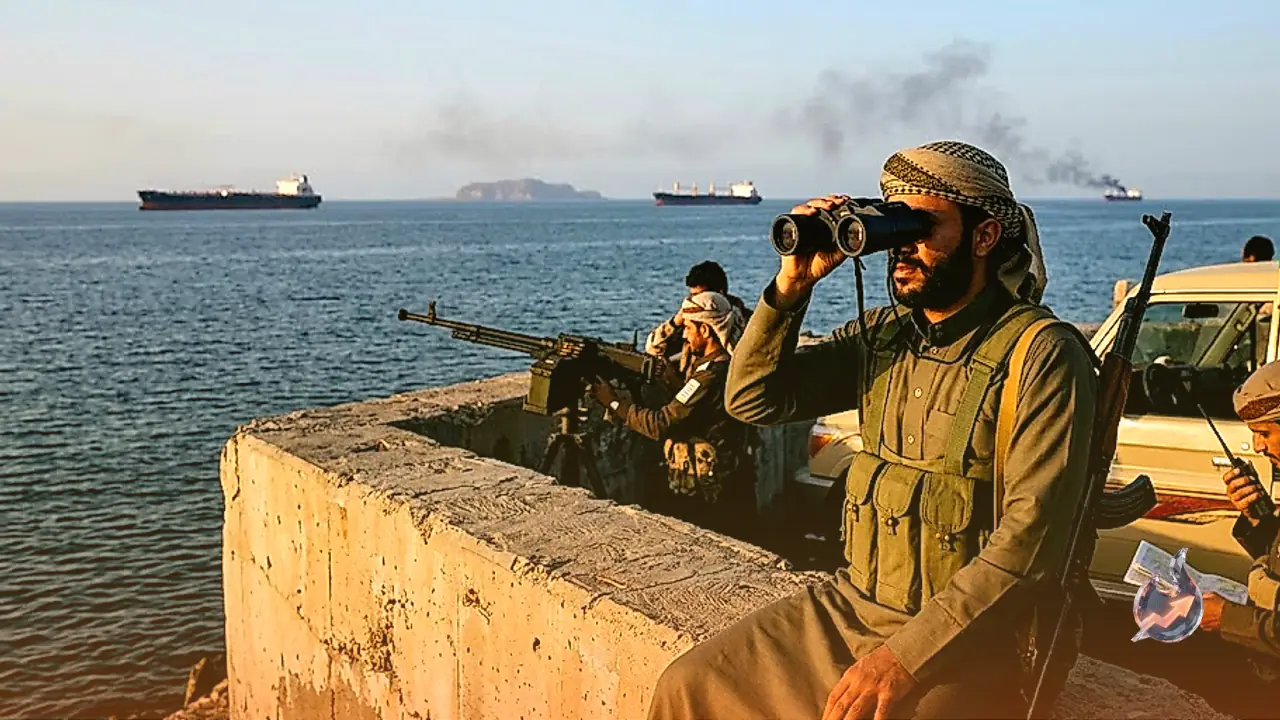
Iran has tied the status of maritime commerce along the vital waterway to major economic and naval concessions from Washington. Abbas Araghchi previously indicated that Tehran could restore maritime navigation through the Strait of Hormuz within one week if the United States removes the blockade on Iranian ports, unfreezes seized Iranian sovereign assets, and provides sanctions waivers enabling petroleum exports.
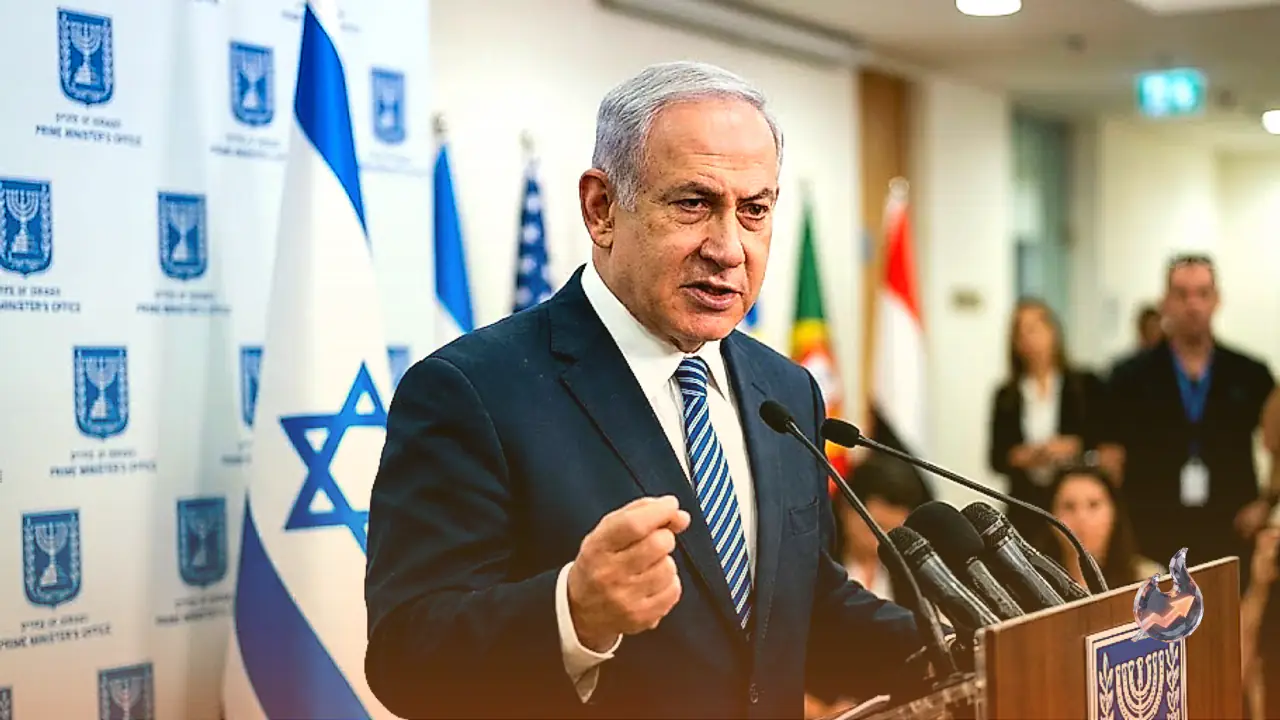
American President Donald Trump openly dismissed those demands, arguing that Tehran was merely seeking an exit because it was absorbing severe war damage and insisting that the terms were unacceptable. Nevertheless, mediators from third-party nations have sustained their backchannel dialogue in an attempt to bridge the gap between the two governments and prevent further escalation across critical trade routes.
Intensifying Economic Strains and Currency Depreciation
The protracted confrontation continues to exert immense pressure on Iran's domestic economy, compounding the urgency of the diplomatic track. Tehran's foreign exchange markets registered fresh record lows on Tuesday as the national currency weakened past 2.5 million rials against a single US dollar. This marked a sharp depreciation from September 2, when the exchange rate stood near 2.2 million rials per dollar, illustrating how rapidly the currency has shed value in recent weeks. Commenting on the situation on Tuesday, Donald Trump pointed to Iran's deepening economic distress and suggested that the conflict could come to an end in the near future.