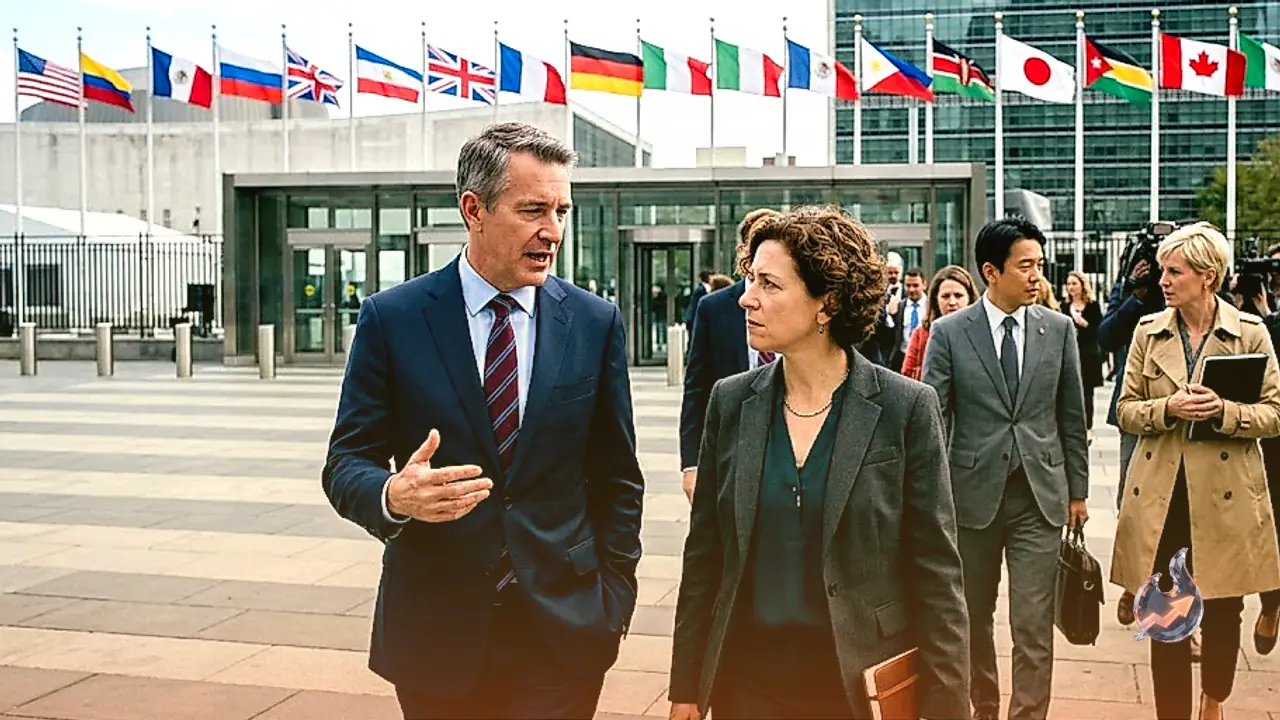





















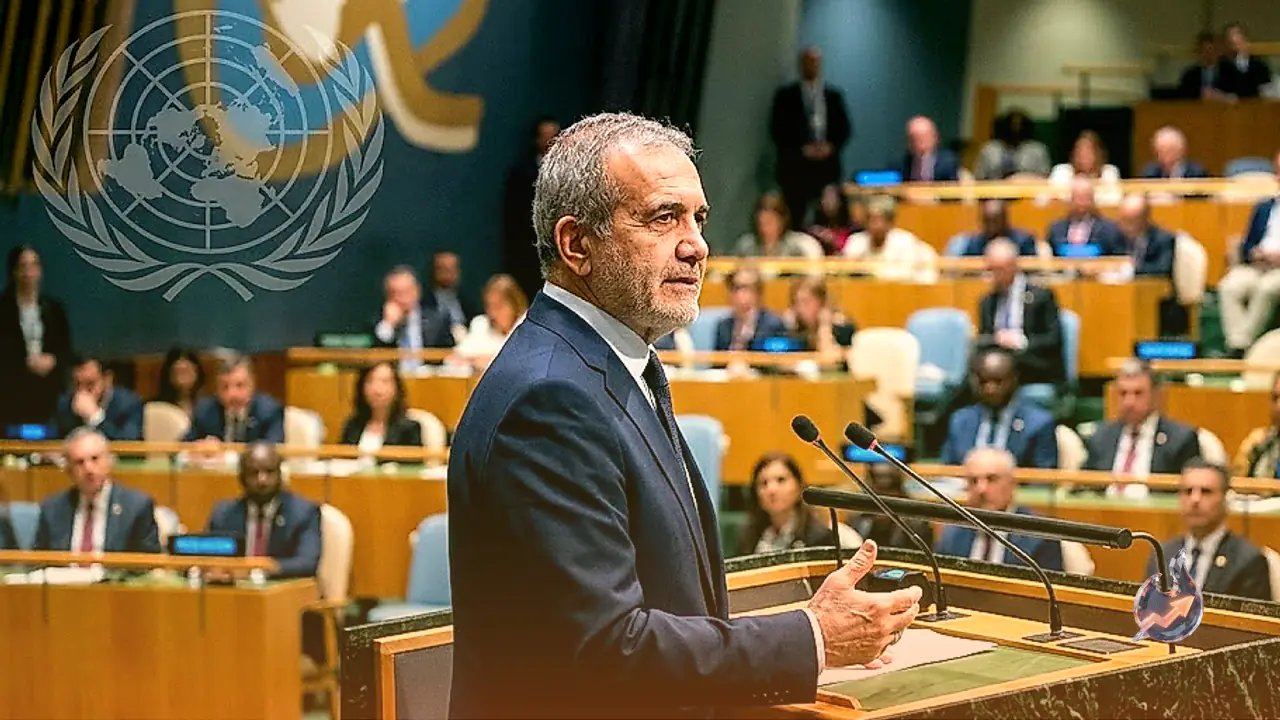

Addressing world leaders gathered at the United Nations General Assembly, Iranian President Masoud Pezeshkian delivered a defiant response following nearly seven months of intense conflict involving the United States and Israel. Pezeshkian firmly declared that the Islamic Republic will never surrender or capitulate to foreign military pressure, while simultaneously signalling Tehran's willingness to pursue a peaceful diplomatic resolution under equitable terms.
Defiance Against Sanctions and Bullying
The Iranian leader specifically addressed harsh warnings issued by US President Donald Trump, who had cautioned that the country faced total destruction if an agreement was not swiftly finalized. Pezeshkian pushed back directly against that stance, stating that the resilience of the Iranian public will only strengthen when confronted by international economic curbs, escalating hostilities, and coercive tactics. He maintained that threats of military action would fail to force concessions from Tehran.
Conditions on Maritime Access and Hormuz
Setting the baseline parameters for any prospective diplomatic settlement, Pezeshkian stressed that Washington must end its ongoing naval embargo targeting Iranian merchant vessels and commercial ports. He highlighted the double standard regarding global transit routes, insisting that the international community cannot continue to reap the commercial benefits of the Strait of Hormuz while Iranian maritime traffic remains deliberately choked off.
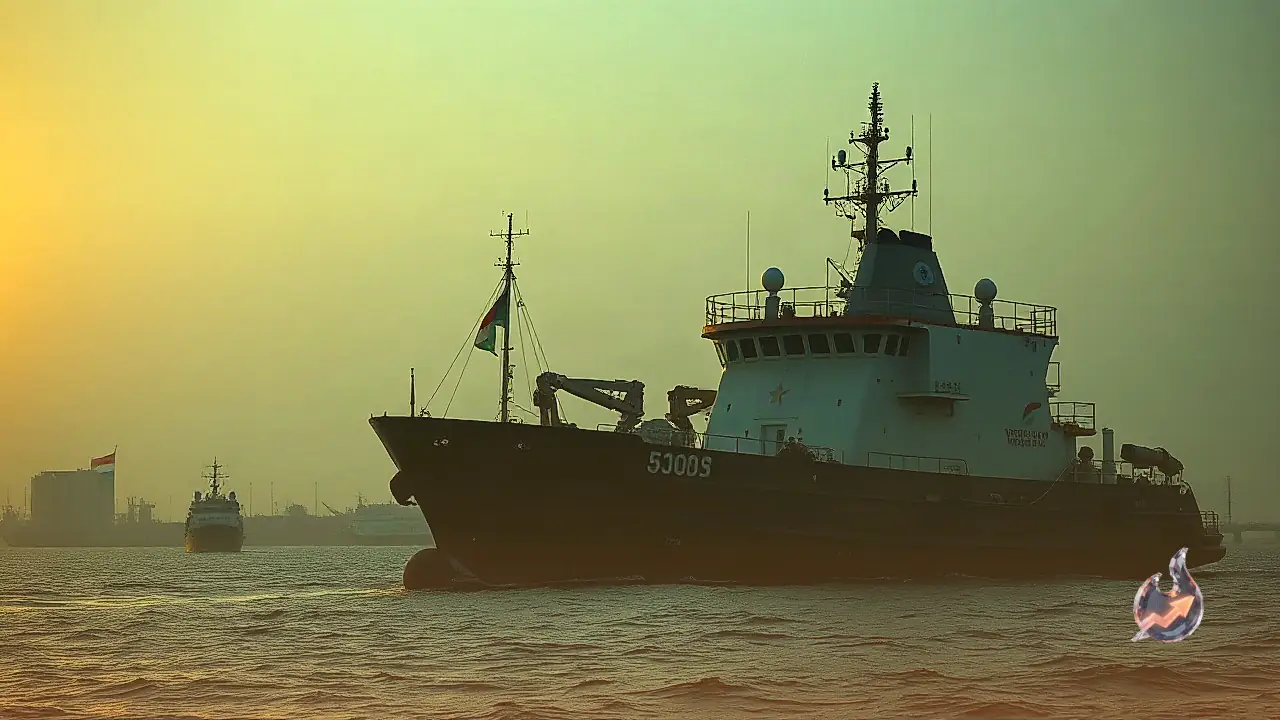
The strategic waterway represents a critical node in international energy commerce, normally accommodating one-fifth of the entire planet's crude oil and liquefied gas transit. That passage has remained practically paralyzed since the hostilities erupted in late February. The shutdown stemmed from a combination of sustained Iranian missile and drone strikes aimed at commercial maritime transport alongside the reciprocal naval enforcement measures deployed by the United States.
The Breakdown of the Summer Truce
Earlier diplomatic engagements had briefly offered hope of a broader de-escalation before unraveling. In June, American and Iranian negotiators managed to formulate a preliminary accord intended to bring an end to the fighting and restore unimpeded transit across the critical corridor. That arrangement quickly disintegrated within several weeks as strikes targeting commercial shipping resumed, prompting the United States to reinstate full blockade protocols across regional waterways.
Backchannel Discussions in New York
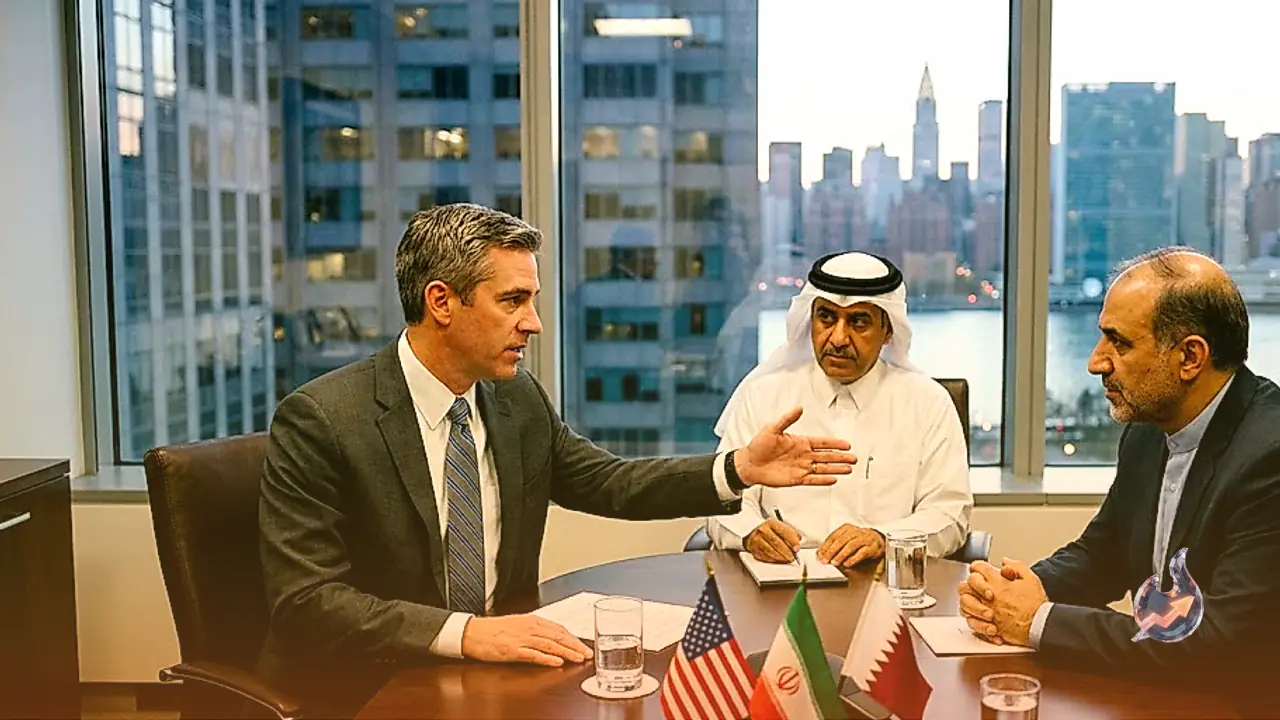
Despite the tense public rhetoric, backchannel diplomatic channels have resumed operations on the sidelines of the annual diplomatic gathering in New York. On Tuesday, Iranian Foreign Minister Abbas Araghchi and American envoy Steve Witkoff conducted indirect discussions with Qatari officials acting as intermediaries between both delegations. The encounter marked the initial substantive direct communication between the adversaries since the summer truce collapsed.
Evaluating the outcome of the mediated exchange, Witkoff voiced cautious optimism, stating that he hoped the interaction would yield helpful and encouraging results moving forward. The envoy confirmed that diplomatic mediators from Qatar plan to maintain their active role in facilitating dialogue between the conflicting sides.
Tehran Reiterates Key Demands
In contrast to the measured optimism expressed by Washington, Iranian foreign ministry spokesman Esmail Baqai characterized the New York session as familiar territory rather than a major breakthrough. Baqai indicated that Foreign Minister Araghchi had strictly reinforced Tehran's non-negotiable prerequisites. Beyond demanding a complete and verified termination of the naval blockade against its ships and harbors, the Iranian government continues to insist on the unfreezing and release of its immobilized offshore assets as an essential requirement for a formal peace pact.