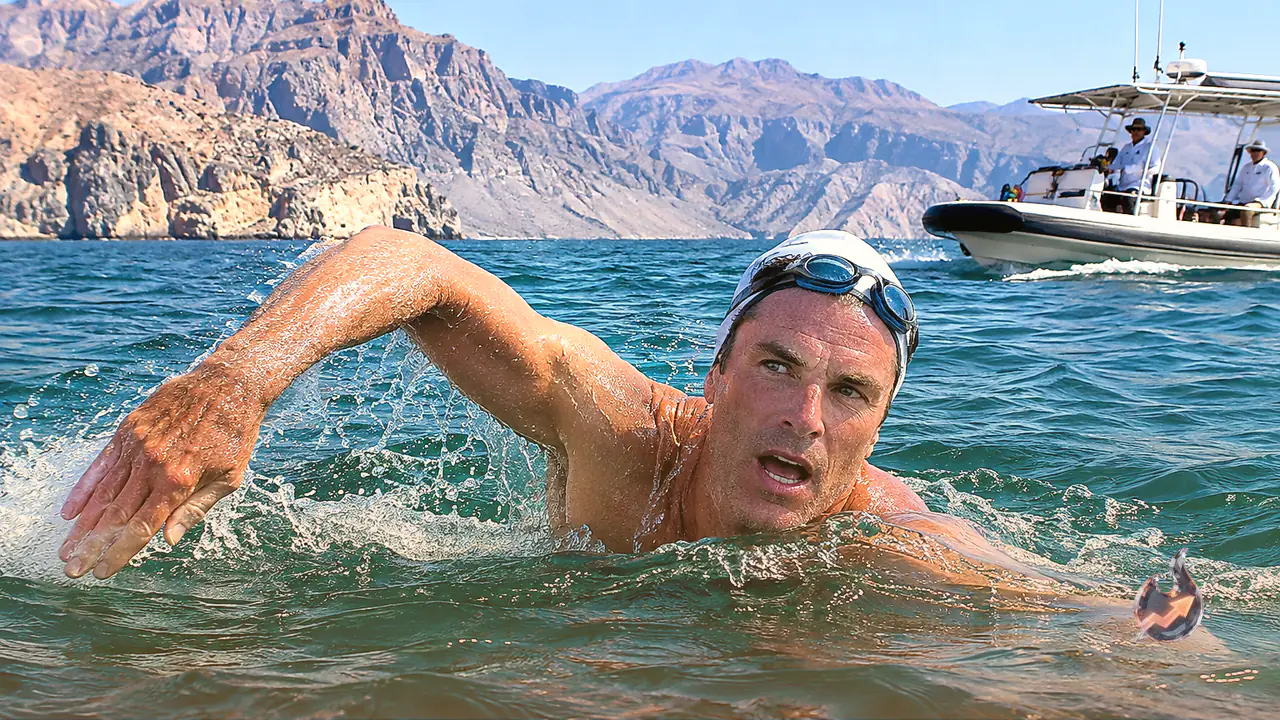

A British endurance swimmer has undertaken a challenging three-day journey through the strategic Strait of Hormuz to shed light on the environmental fallout of the conflict involving Iran. Lewis Pugh, a 56-year-old native of Plymouth, Devon and a UN Patron of the Oceans, covered a distance of about 15km or 9.3 miles through the vital Middle Eastern waterway used extensively for oil shipments.
Nature as the Unseen Casualty of Conflict
Pugh swam from Musandam Island in the strait to the Cape of Hormuz located at the northern tip of Oman's Musandam Peninsula. He emphasized that while war inflicts immense human suffering, nature remains an overlooked casualty whose damage persists long after the fighting stops. He is actively calling for an end to hostilities, the reopening of the crucial waterway, and immediate action to repair ecological devastation.
Witnessing a Tanker Attack During the Swim
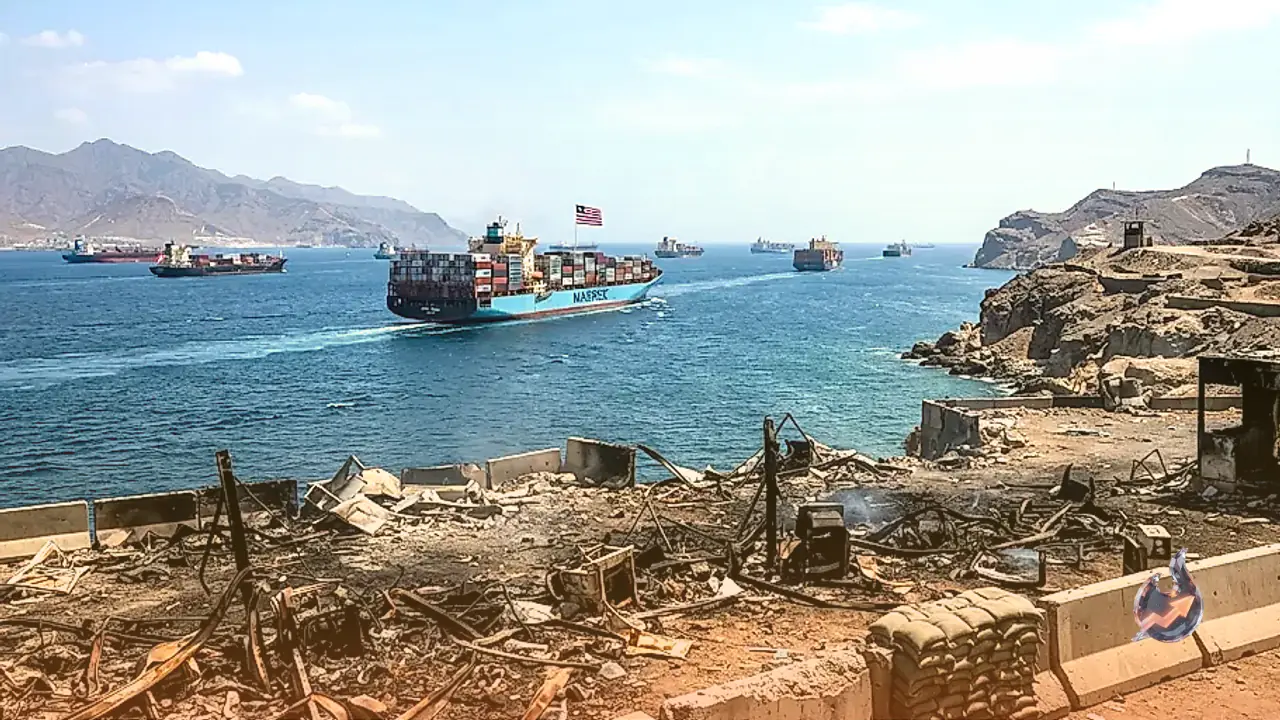
According to the Lewis Pugh Foundation, an oil tanker was struck by a projectile approximately 4km or 2.5 miles away from Pugh's swimming path on his very first day in the water. By the second day, he witnessed massive flames rising over a headland near the burning liquefied petroleum gas carrier Tara Gas, later passing close to the vessel while it remained ablaze. Expressing immediate concern for the seafarers onboard, Pugh noted that attacks on vessels carrying highly flammable gases carry catastrophic risks for both the crew and the marine environment.
A Lifetime of Ocean Swims and Ecological Advocacy
Having previously completed long-distance swims across every ocean on Earth, Pugh continues to campaign for environmental protection in zones of conflict. He pointed out that while loss of life and the destruction of homes, hospitals, and schools receive immediate focus, ecological damage often goes unnoticed. The Strait of Hormuz is not only a primary shipping lane but also a crucial habitat for marine wildlife such as dugongs, sea turtles, and whale sharks.
Environmental experts and advocates warn that potential oil spills and chemical contamination from ongoing attacks could severely jeopardize fragile marine ecosystems, including coral reefs, seagrass meadows, and mangrove forests, leading to long-term ecological consequences in the region.