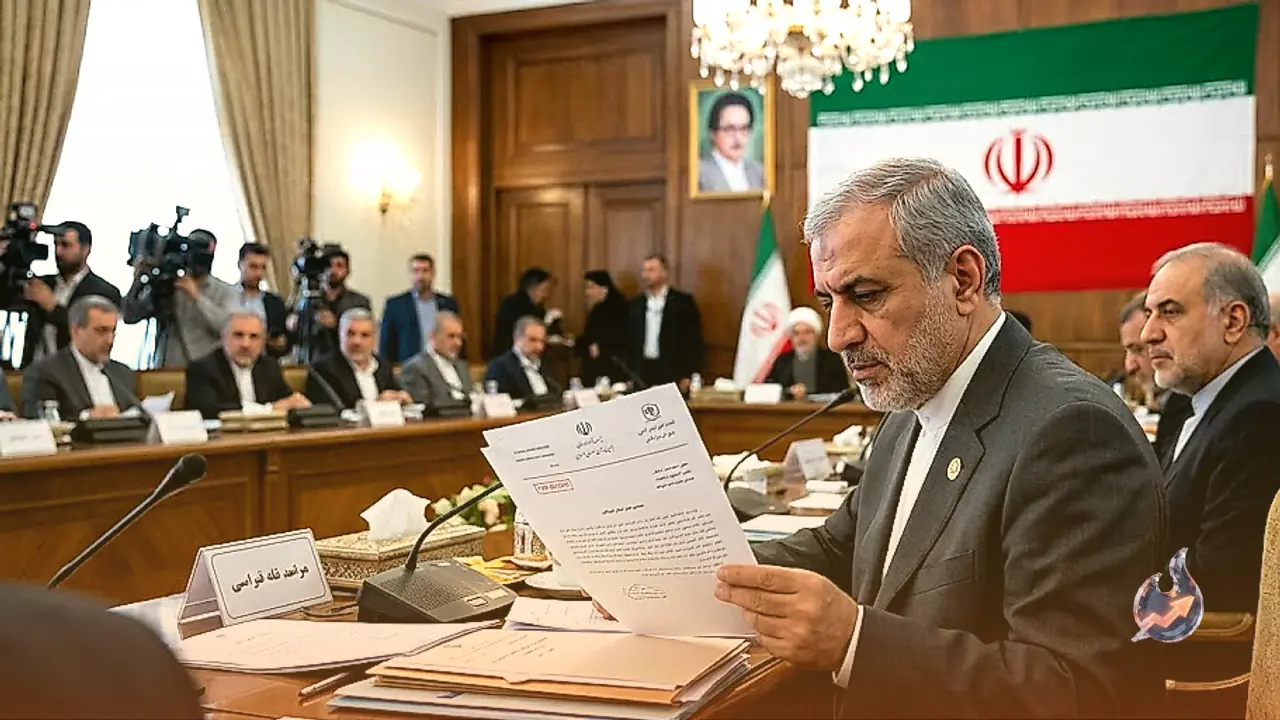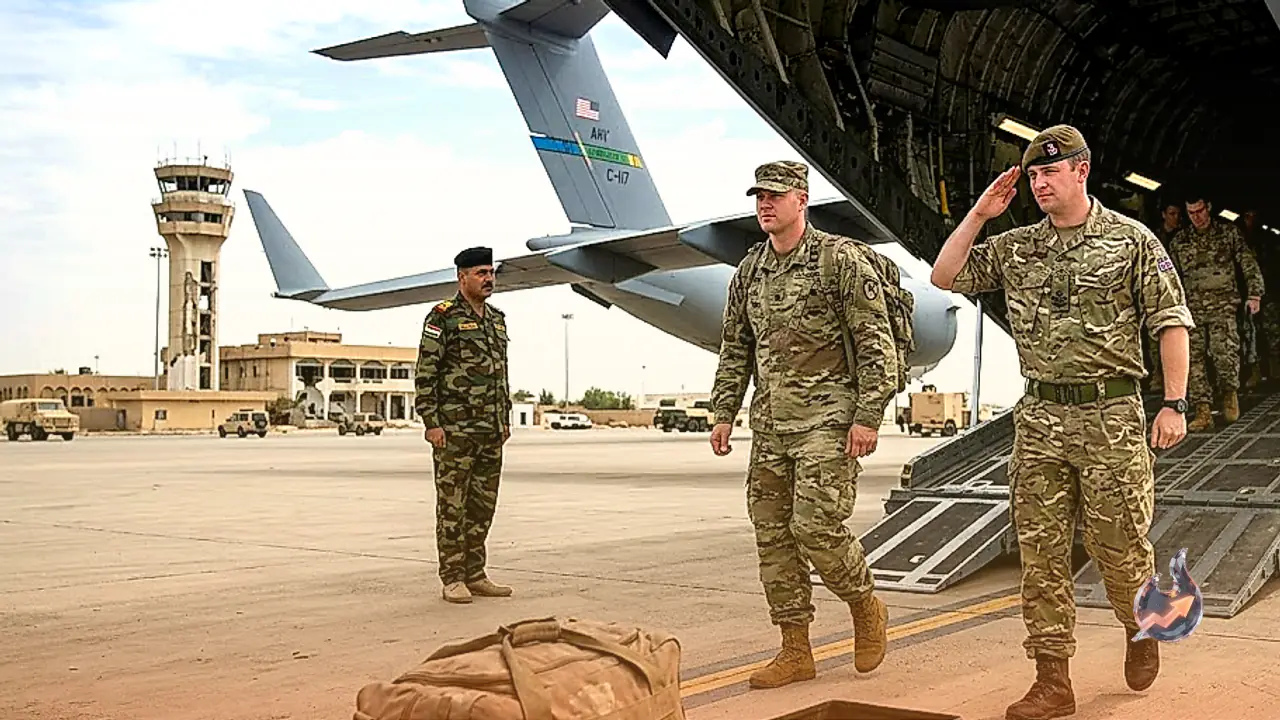























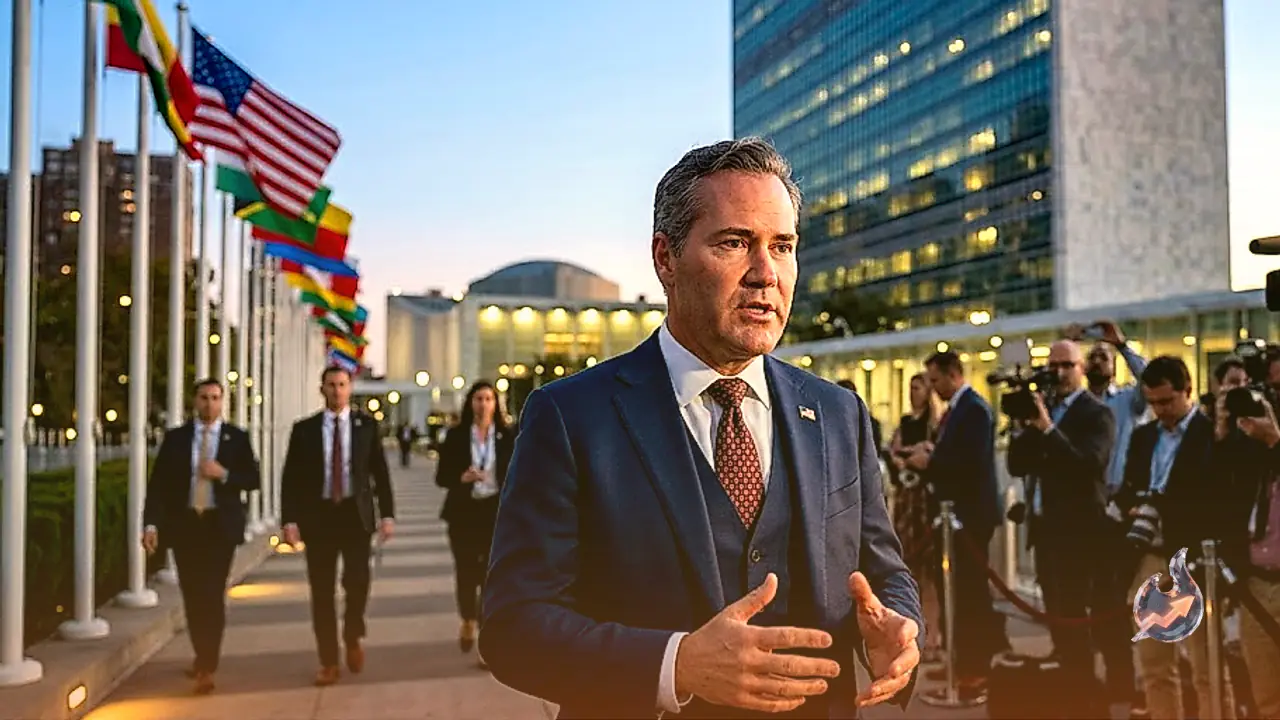

In a notable shift aimed at de-escalating regional hostilities, US military forces have suspended airstrikes against Iran for the second night in a row. Speaking in a media interview on Sunday, US Ambassador to the UN Mike Waltz explained that President Donald Trump is providing the diplomatic process with some space and room to breathe.
The suspension drew a reciprocal move from Tehran. An Iranian army spokesperson announced on Sunday that Iran had halted its own retaliatory strikes in the region in response to the pause. This cooling-off period follows nearly two weeks of relentless daily American air raids and tit-for-tat exchanges that effectively unraveled the fragile ceasefire brokered back in June.
Evaluating Military Options and Diplomatic Channels
When questioned about whether the president had ruled out further escalation for the time being, Waltz dismissed the notion entirely, emphasizing that all military and political options remain firmly on the table. He asserted that the US military possesses everything necessary to execute the ongoing campaign as effectively as required.
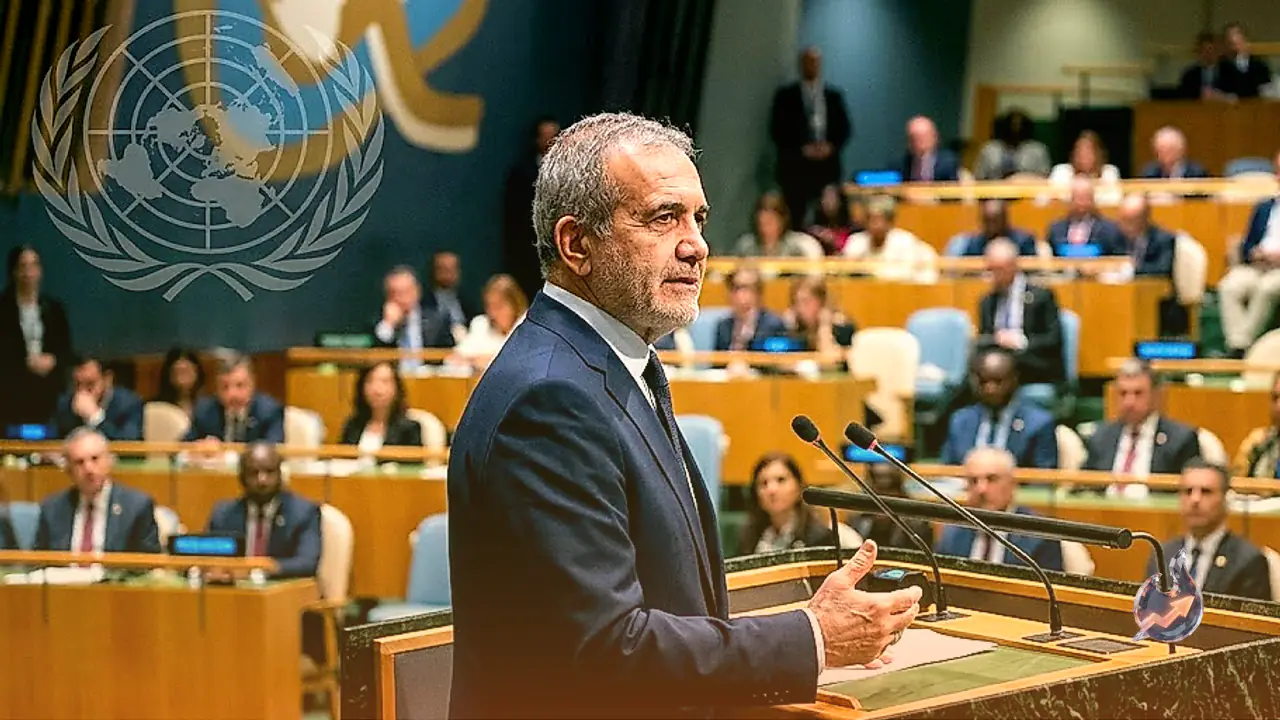
As of Sunday evening, President Trump had not made any direct public remarks regarding these latest developments, though he shared computer-generated imagery on his Truth Social platform depicting American warplanes targeting Iranian vessels and Kharg Island. Simultaneously, Iranian Foreign Ministry spokesperson Esmail Baghaei reported that Iranian and Omani officials held multiple rounds of technical discussions in Tehran on Friday and Saturday to negotiate the management of the Strait of Hormuz.
The Strait of Hormuz Chokepoint and Broken Pacts
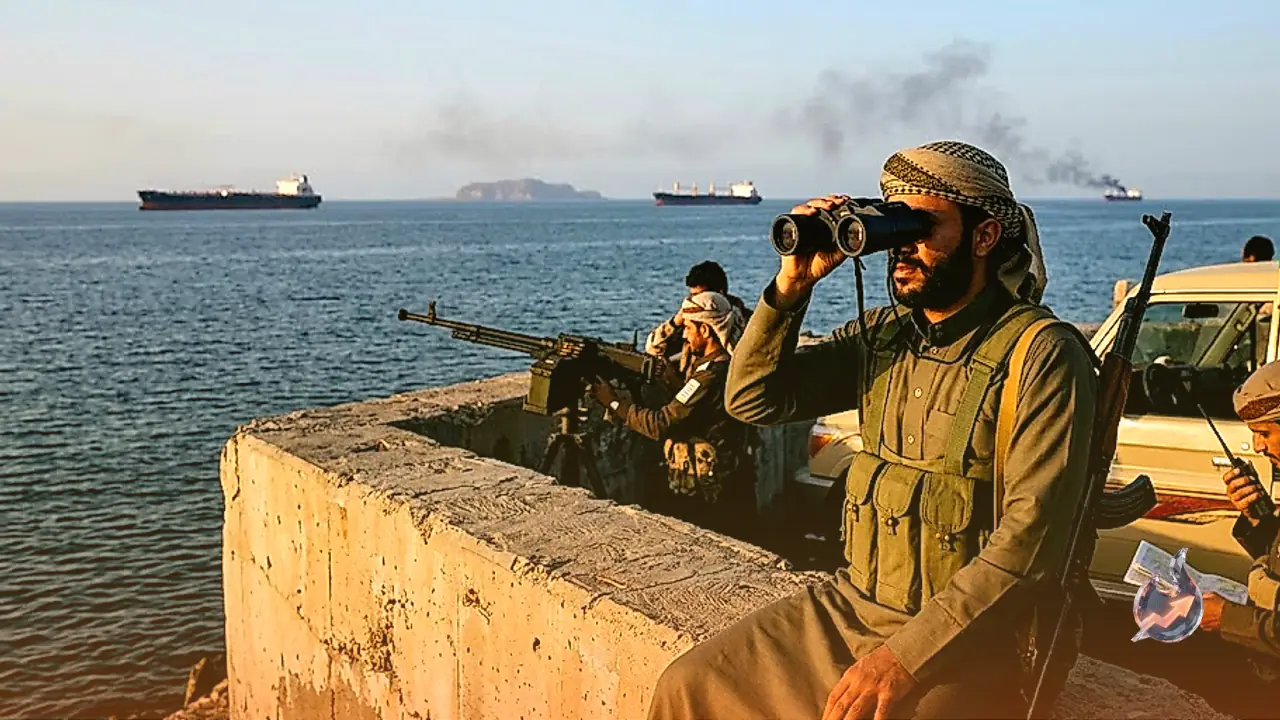
Control over the Strait of Hormuz remains the primary roadblock to achieving a permanent end to the conflict, having reignited bilateral tensions earlier this month. Back in June, Washington and Tehran signed a memorandum of understanding intended to halt military operations, reopen the vital waterway, and negotiate a comprehensive peace treaty over the following 60 days.
However, the diplomatic framework collapsed after Iranian forces launched attacks against oil tankers in the strait on July 13. The United States swiftly resumed its bombing campaign and reinstated a naval blockade across Iranian ports. Tehran retaliated by targeting US military installations throughout the Middle East, resulting in the deaths of four American service members. According to the Iranian health ministry, subsequent US retaliatory strikes have claimed the lives of dozens of people.
Global Energy Fallout and Upcoming Talks
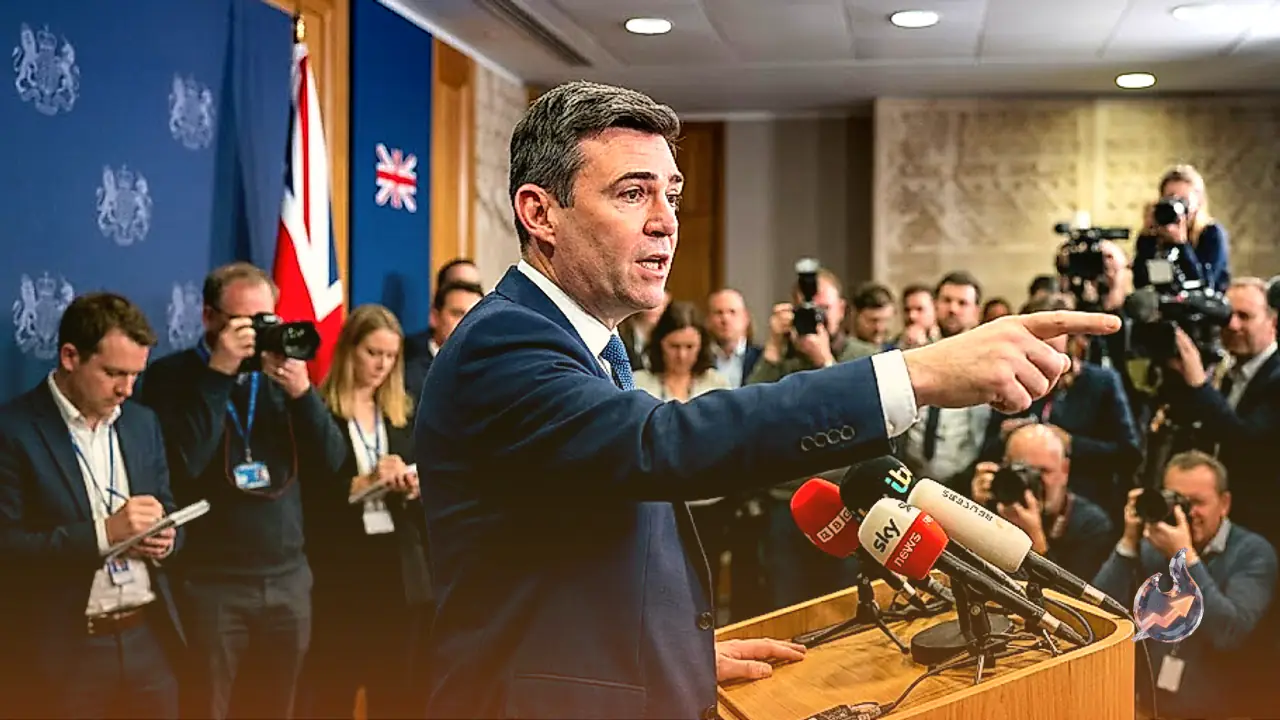
International repercussions continue to mount as the conflict nears its fifth month. In the UK, newly appointed Defence Secretary Wes Streeting announced plans to meet with his US counterpart Pete Hegseth during the coming week to address the security of the Strait of Hormuz, which serves as a crucial global artery for oil, liquid natural gas, and essential commodities. Earlier in the week, renewed fighting pushed oil prices to $100 a barrel for the first time since May, amplifying anxieties over worldwide energy stability.
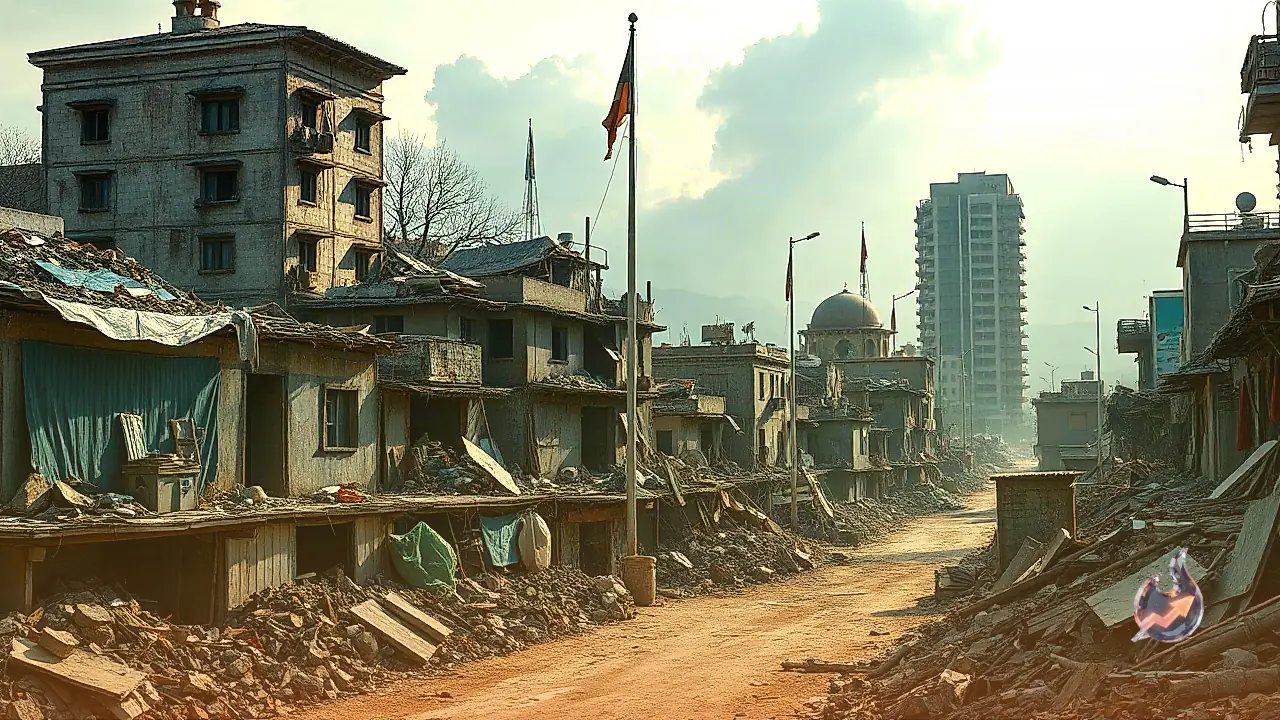
Domestic sentiment within the US remains heavily opposed to the ongoing war. A recent CBS and YouGov poll indicates that 57% of Americans express deep frustration over the conflict, with a mere 19% holding an optimistic view. Thousands of casualties have been recorded across the Middle East since hostilities began in February, with the heavy majority originating in Iran and Lebanon.
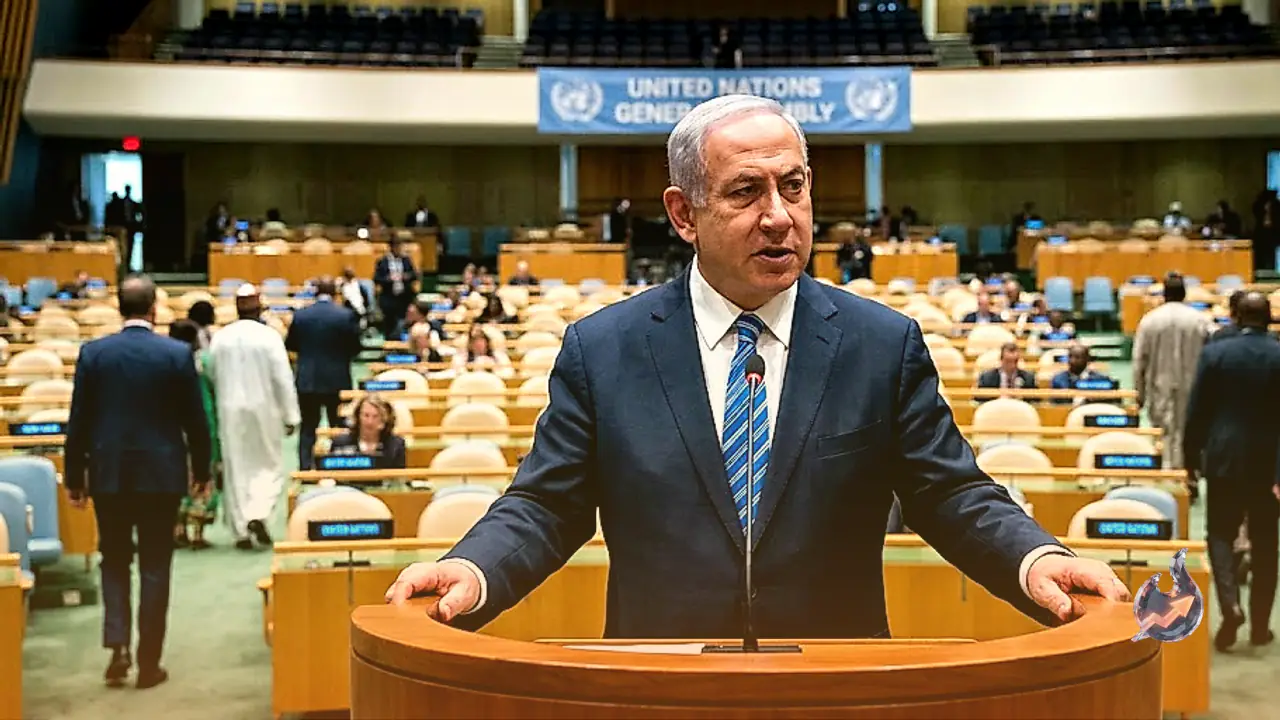
Looking ahead, diplomatic and strategic engagements are set to continue at the highest levels, with President Trump scheduled to host Israeli Prime Minister Benjamin Netanyahu at the White House on Tuesday.