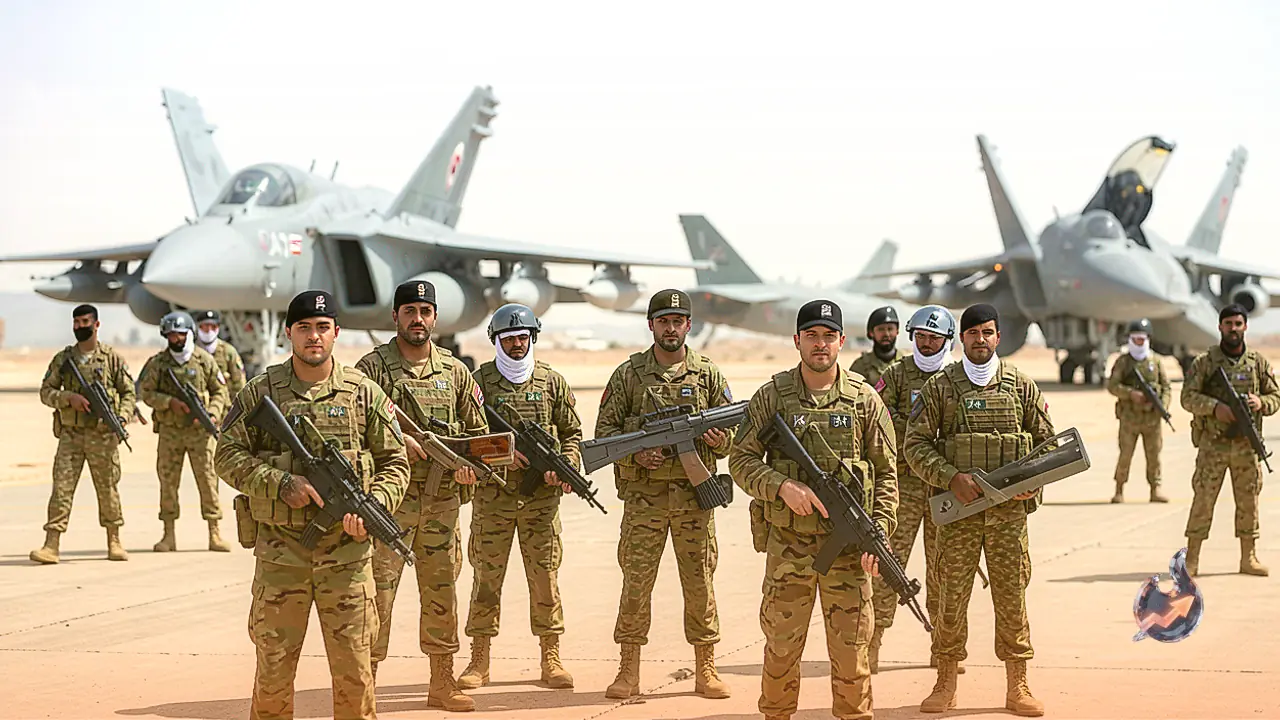






















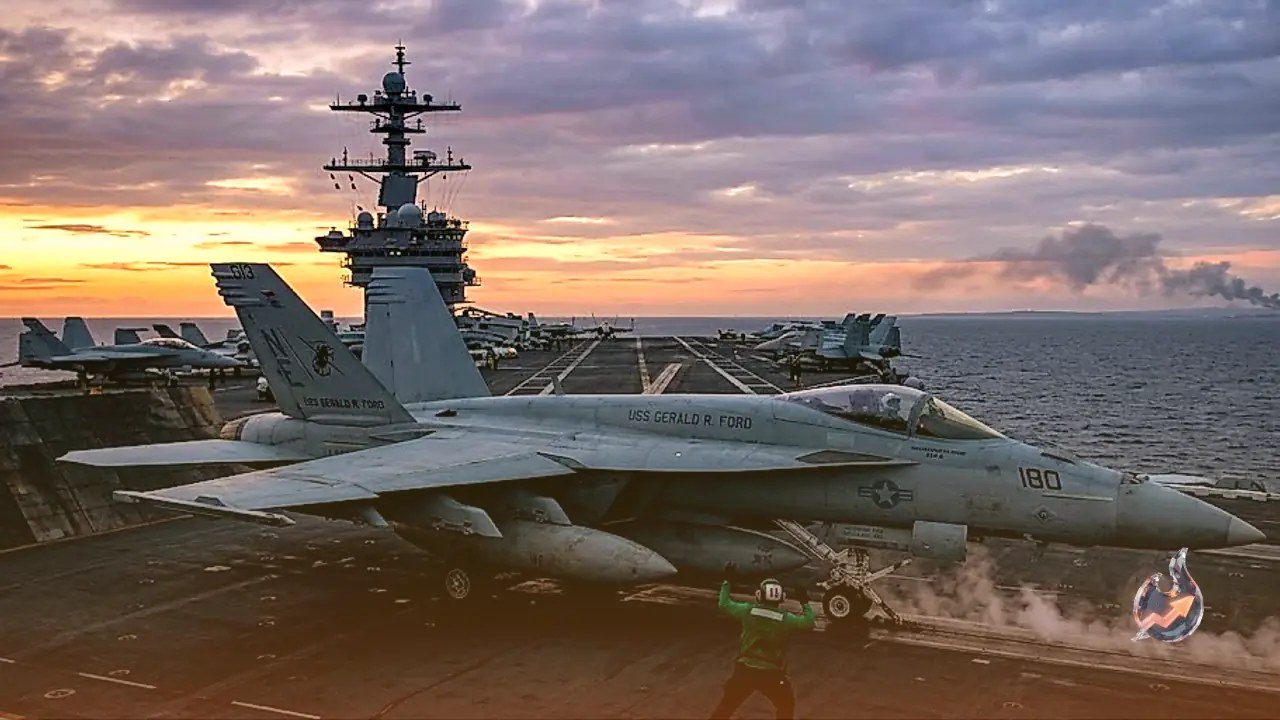

Tensions across the Middle East have escalated dramatically following official confirmation from the United States Central Command that American forces have initiated a renewed series of targeted military strikes against strategic facilities belonging to the Islamic Revolutionary Guard Corps across Iran. The strikes commenced on Tuesday at 12:00 ET (16:00 GMT), after American defense authorities accused Iranian military units of conducting recent attempted attacks against commercial maritime shipping vessels navigating through the critical Strait of Hormuz waterway, as well as posing direct security threats to American service members deployed in the region.
Widespread Military Operations Target Facilities Across Southern Iran
The latest wave of military attacks targeted multiple locations across southern Iran, resulting in casualties and infrastructure damage across several provinces. According to reports broadcast on Iranian state television citing a regional official, an airstrike in the vicinity of Sirik in southern Iran struck near a wedding gathering, leading to the deaths of two individuals and leaving several other attendees wounded.
Simultaneously, additional military projectiles targeted strategic positions in the coastal regions of Chabahar and Konarak. Further inland within the interior region, military strikes struck facilities at an airfield located in Jiroft. Meanwhile, residents across the coastal city of Bandar Abbas and on nearby Qeshm island reported hearing a series of powerful explosions as military activity intensified across the coastal and maritime zones.
Donald Trump Issues Severe Warning Against Any Iranian Retaliation
Following the execution of the airstrikes, Donald Trump issued a stern public statement warning Tehran against mounting any military response. Donald Trump emphasized that if Iranian authorities choose to retaliate against American interests or military assets, the United States will respond with military strikes executed at a much harder and higher level.
Donald Trump stated that the large and powerful strikes conducted on Tuesday were launched as a direct response to Iran's prior attack on an American military base located in Jordan. Furthermore, Donald Trump highlighted that Iranian forces had failed in their recent attempt to lay naval sea mines across the shipping lanes of the Strait of Hormuz, while warning that a much larger-scale military operation remains waiting in the wings should further military action become necessary.
IRGC Vows Retaliation as Regional Missile and Drone Attacks Begin
Following the American strikes, leadership within the Islamic Revolutionary Guard Corps issued an immediate official statement declaring that the United States would come to regret its decision to conduct military operations against Iranian territory. Iranian state news agencies reported shortly after that Iranian military forces had launched retaliatory strikes utilizing ballistic missiles and attack drones against American military bases and allied strategic interests across the Middle East.
This rapid exchange of military fire has raised grave international concerns regarding the security of vital maritime transit routes, particularly within the Gulf region where naval commerce has faced continuous disruption due to ongoing hostilities between Washington and Tehran.
Timeline of Conflict: Escalation from February to the Expiration of the June MoU
The resumption of direct military strikes represents the latest phase in a prolonged sequence of military confrontations between the involved powers. On 28 February, joint military operations were launched by the United States and Israel, conducting wide-ranging airstrikes targeting military and strategic installations throughout Iran. In response to those initial attacks, Iran launched extensive missile retaliations targeting Israel, American military bases in the region, and neighboring Gulf states, while taking steps that effectively closed the Strait of Hormuz to international maritime traffic.
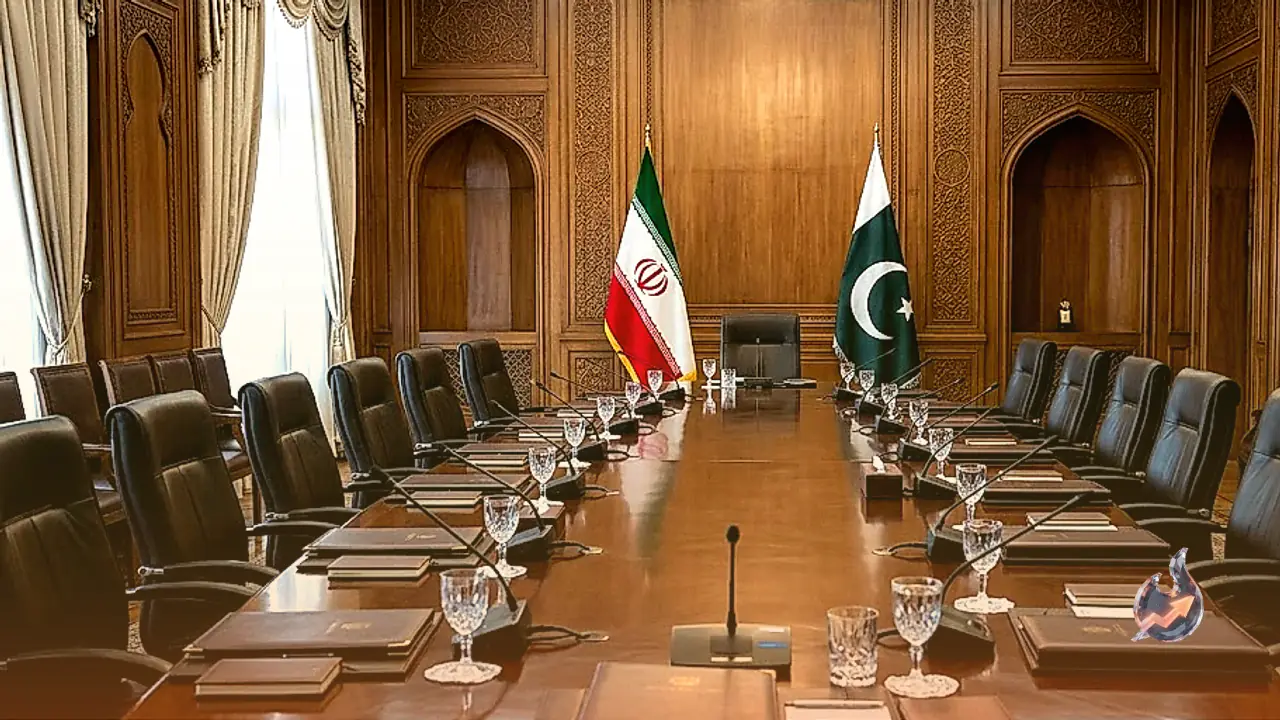
In an effort to pause active hostilities, diplomatic representatives from Washington and Tehran negotiated a bilateral agreement known as the Memorandum of Understanding in June. This Memorandum of Understanding established a temporary extension of a ceasefire between the two nations. However, that diplomatic agreement has now formally expired without being renewed or extended by either party, directly leading to the current breakdown of peace and the immediate resumption of active warfare.
During the period following the expiration of the Memorandum of Understanding, maritime tensions escalated significantly. Iranian naval units targeted commercial ships that Tehran claimed attempted to navigate through the Strait of Hormuz without prior authorization, while American naval forces instituted a strict military blockade around key Iranian ports to restrict maritime access.
Economic Sanctions and Diplomatic Positions of Both Nations
Alongside military operations, the diplomatic and economic confrontation between Washington and Tehran has continued to intensify. On 24 August, Washington announced a fresh package of comprehensive economic sanctions designed to further isolate Iran from global trade networks. This campaign expanded secondary sanctions against international entities and foreign allies doing business with Iranian institutions.
Iranian government officials and state-run news outlets largely dismissed the new sanctions campaign, characterizing the economic measures as a continuation of previous failed economic policies designed to cover up what Tehran described as Washington's past military failures in the region.
Despite the aggressive economic and military measures, diplomatic channels have not been completely severed. Iranian state media quoted Iranian President Masoud Pezeshkian addressing the ongoing conflict. Iranian President Masoud Pezeshkian stated that if the United States returned to fully committing to the terms of the previous agreement, Iran would reciprocate and return to compliance as well.