






















A massive missile strike orchestrated by Houthi fighters targeted Saudi Arabia's capital, severely damaging two passenger terminals at Riyadh International Airport and striking key energy facilities in Dammam and the Ghawar oil and gas field. The incident resulted in the deaths of 12 people representing eight different nationalities, including one United States citizen, while injuring more than 309 individuals. The fatality of an American national has triggered an abrupt shift in Washington's posture, prompting high-level warnings and military movements across the Middle East.
Devastation Across Riyadh Airport Terminals
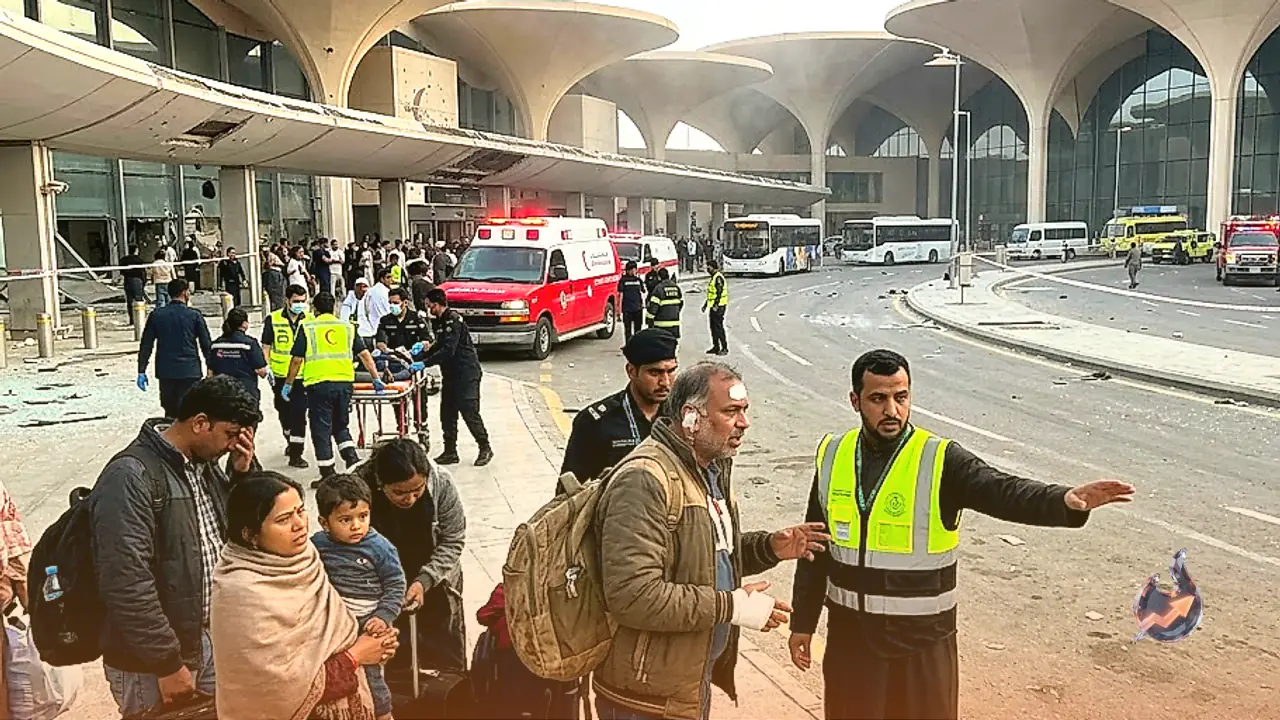
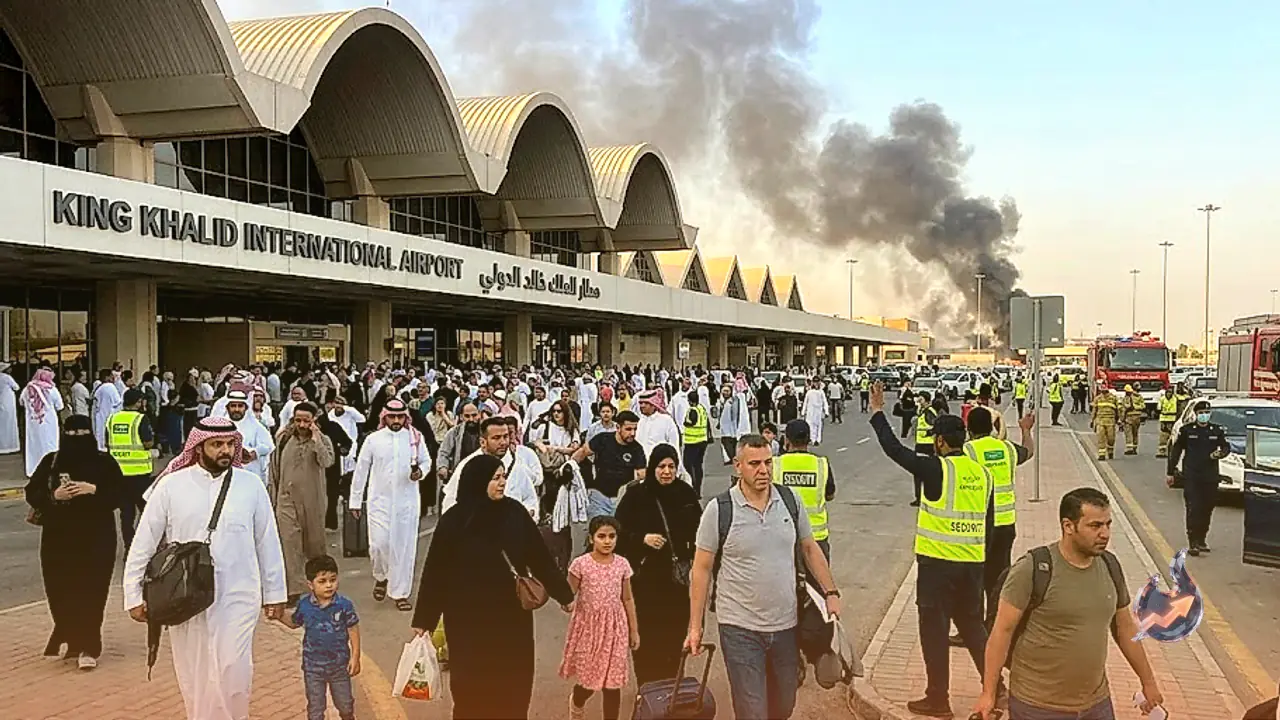
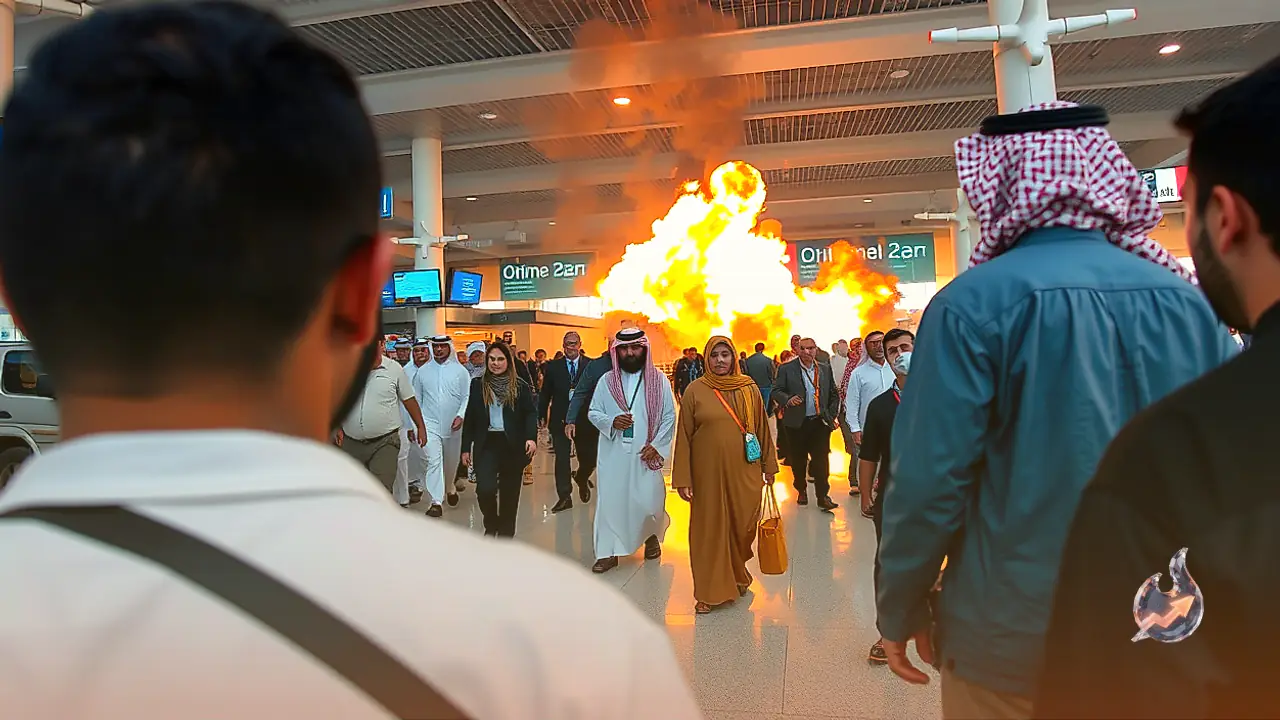
The missile assault specifically struck Passenger Terminal 3 and Terminal 4 at Riyadh International Airport at a time when both concourses were heavily crowded. The impact shattered heavy glass structures, sending shards across the interior concourses and injuring hundreds of transit passengers. Visuals from inside the affected zones showed extensive trails of blood along the terminal floors alongside collapsed ceiling segments.
Among the 12 verified fatalities are 4 Saudi nationals, 2 Bangladeshi citizens, and 1 national each from the United States, Egypt, Jordan, Syria, Sudan, and Palestine. Authorities confirmed that no Indian, Pakistani, or Israeli nationals were caught in the casualties. More than 309 individuals sustained injuries, with medical facilities treating several victims currently in critical condition.
Strikes on Oil Infrastructure and Regional Repercussions
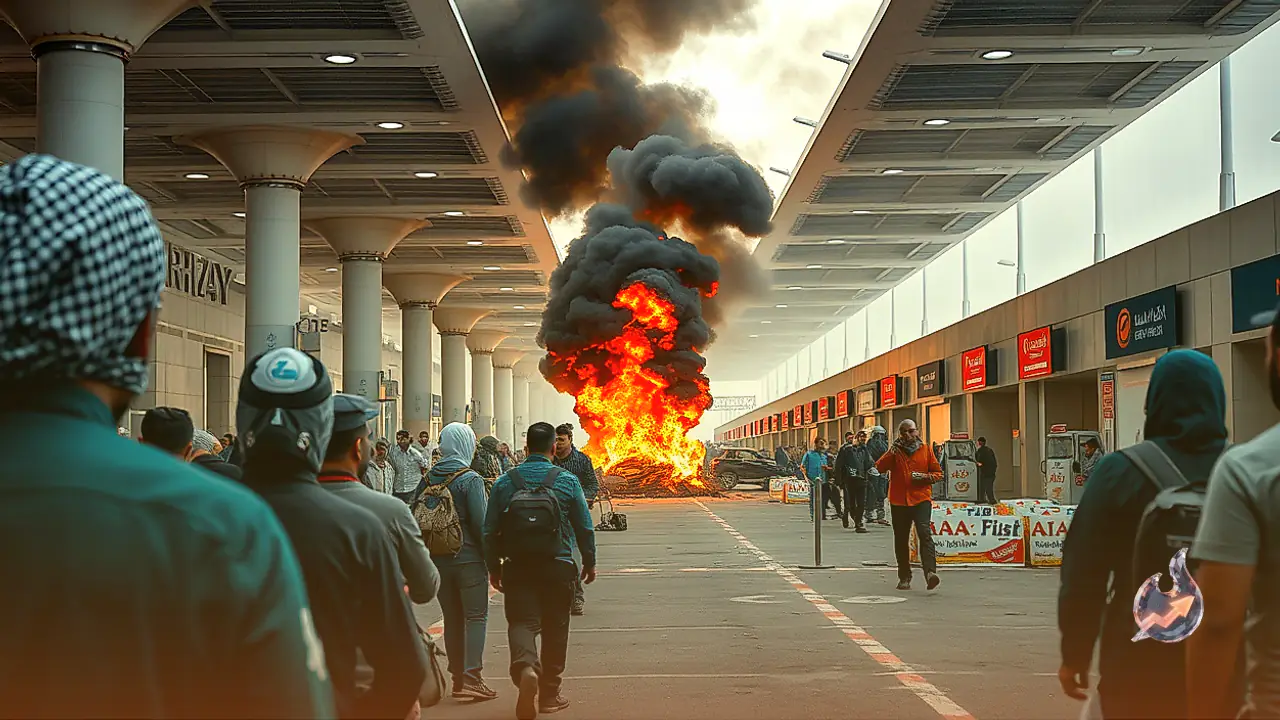
Simultaneously, missile trajectories targeted Dammam and the massive Ghawar oil and gas reservoir. Following these operations, Houthi representatives issued an explicit warning to international airlines utilizing Saudi airspace, stating that civilian aviation hubs remain potential targets under their operational scope.
In immediate retaliation, Saudi armed forces initiated heavy airstrikes against multiple cities controlled by Houthi forces. Pakistan, an active signatory to the Makkah peace pact, issued a formal condemnation denouncing the assault on civilian and economic infrastructure. The dual targeting of transit hubs and primary energy fields has raised immediate alerts over supply chain stability and regional airspace safety.
Calculus Behind the Escalated US Response
Washington's aggressive reaction stands in sharp contrast to previous episodes. Riyadh had weathered 4 significant assaults previously without triggering direct military commitments from the US leadership, despite multiple appeals from the Saudi Crown Prince. Furthermore, during recent battlefield maneuvers, Houthi fighters captured approximately $40 million worth of advanced US hardware, including Oshkosh mine-resistant ambush-protected vehicles, frontline Humvees, battle tanks, and long-range mobile artillery systems, without provoking direct punitive strikes.
The catalyst behind the present escalation is the confirmed death of an American citizen during the Riyadh terminal strike. Secretary of State Marco Rubio extended assurances to Saudi Arabia while issuing a categorical ultimatum to the Houthis against crossing red lines, warning of severe operational costs. Donald Trump reiterated direct warnings to the militia, signalling an immediate shift toward deterrence and military posture.
Deployment of Strategic B-52 Bombers
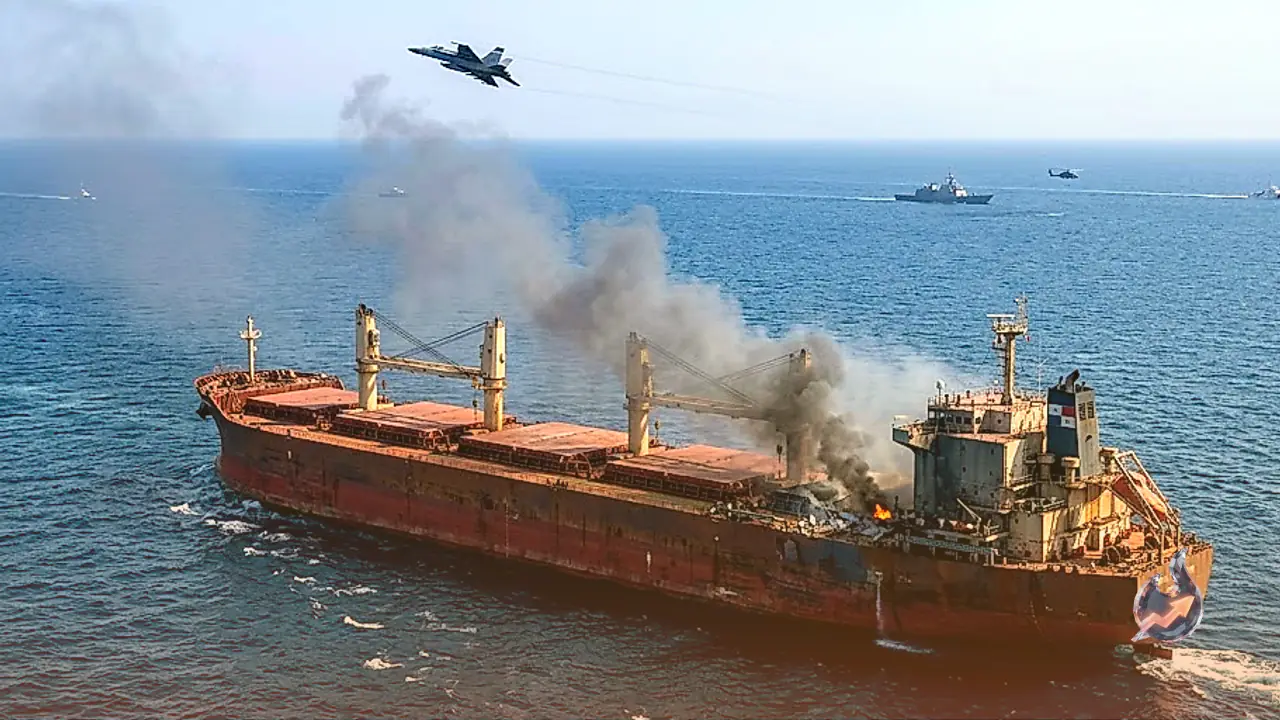
The broader conflict reflects acute economic pressures tied to oil exports. Comprehensive sanctions and blockades have hindered Iranian petroleum sales, alongside maritime interdictions of Iranian tankers. The continuous disruption targeting Saudi energy infrastructure forms an asymmetrical counter-pressure mechanism to offset these economic restrictions.
In a tangible display of force projection, 3 B-52 strategic bombers departed from the RAF Fairford airbase in the United Kingdom toward the Middle East theatre. The deployment has heightened concerns of an imminent, coordinated military offensive by US and Israeli forces, focusing either on degrading Houthi missile installations or targeting supply networks linked directly to Iran.