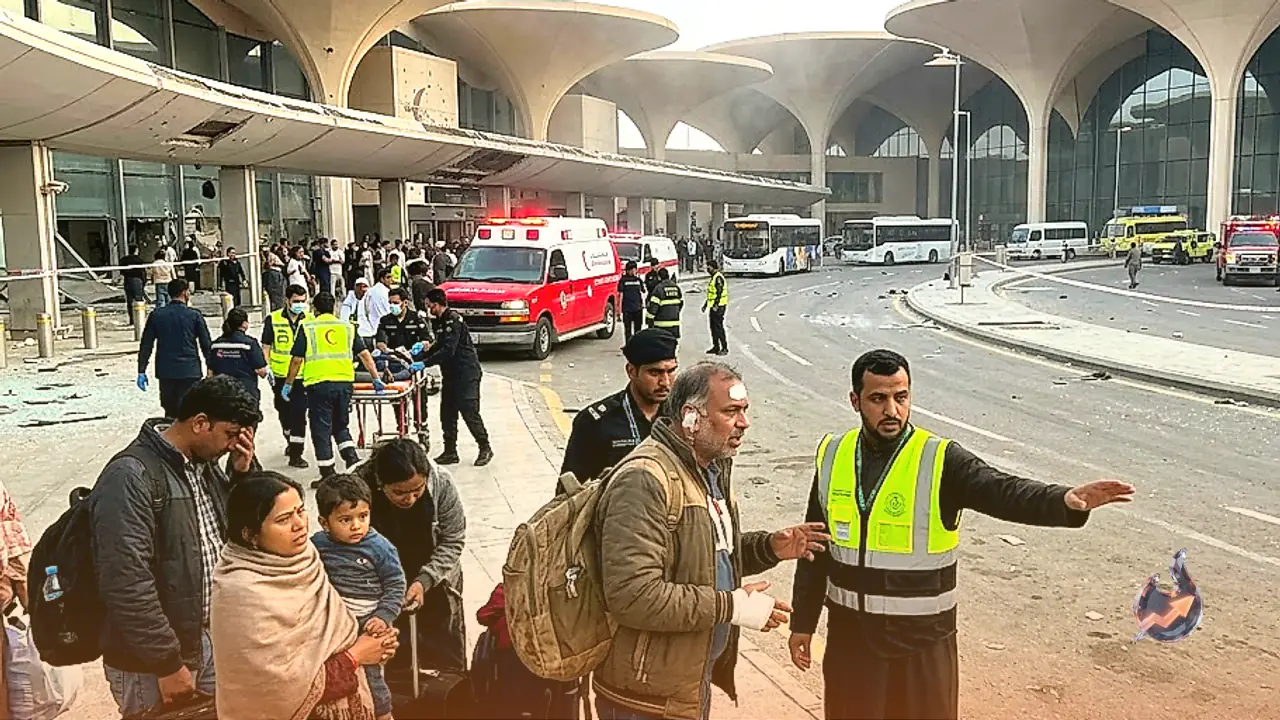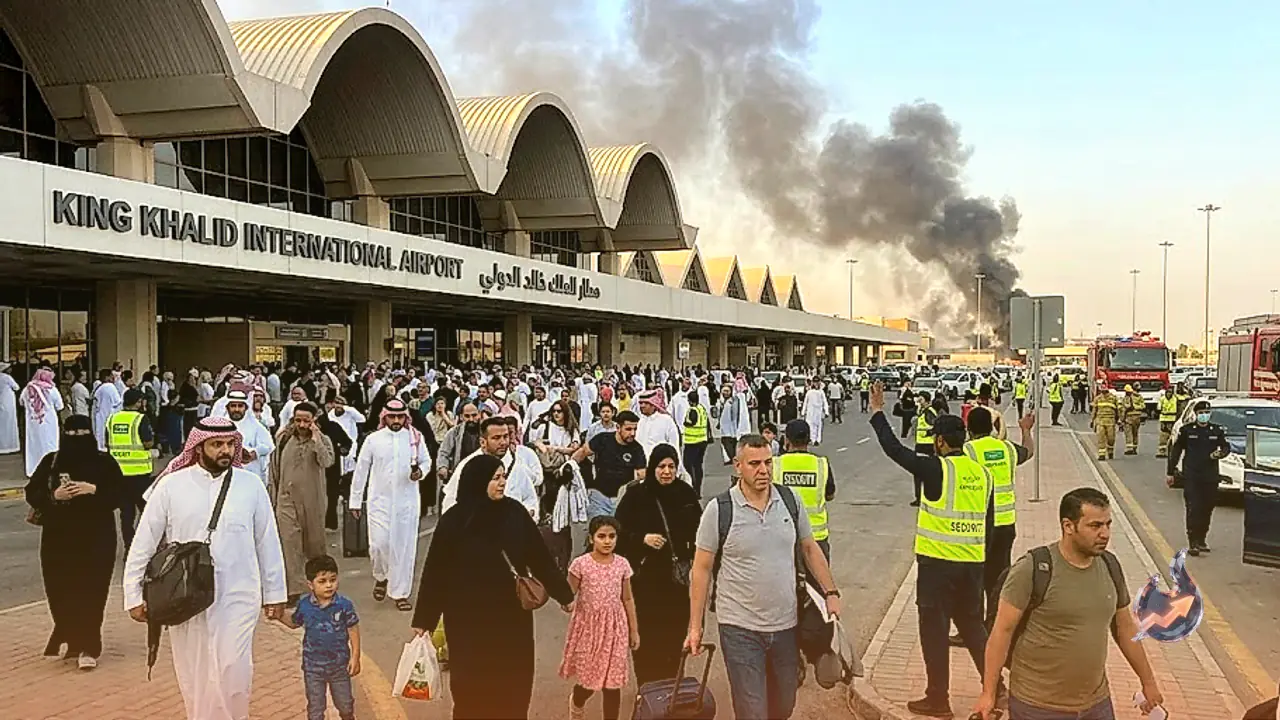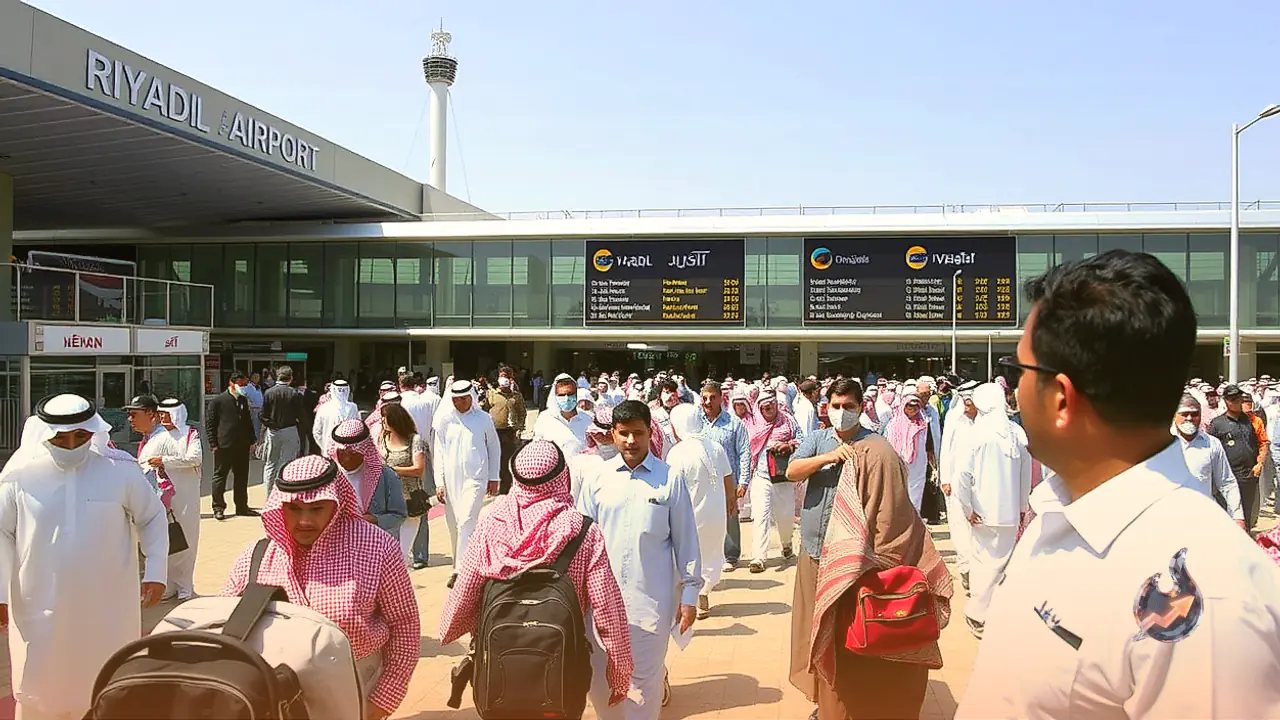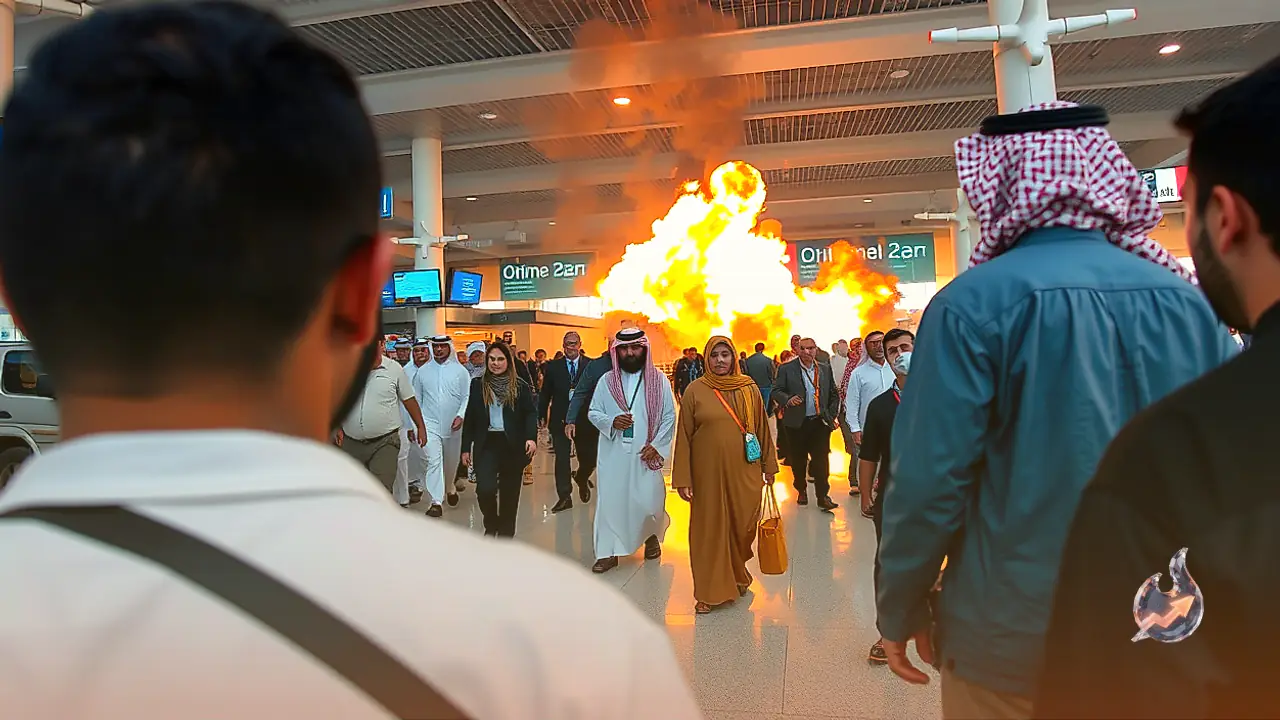




















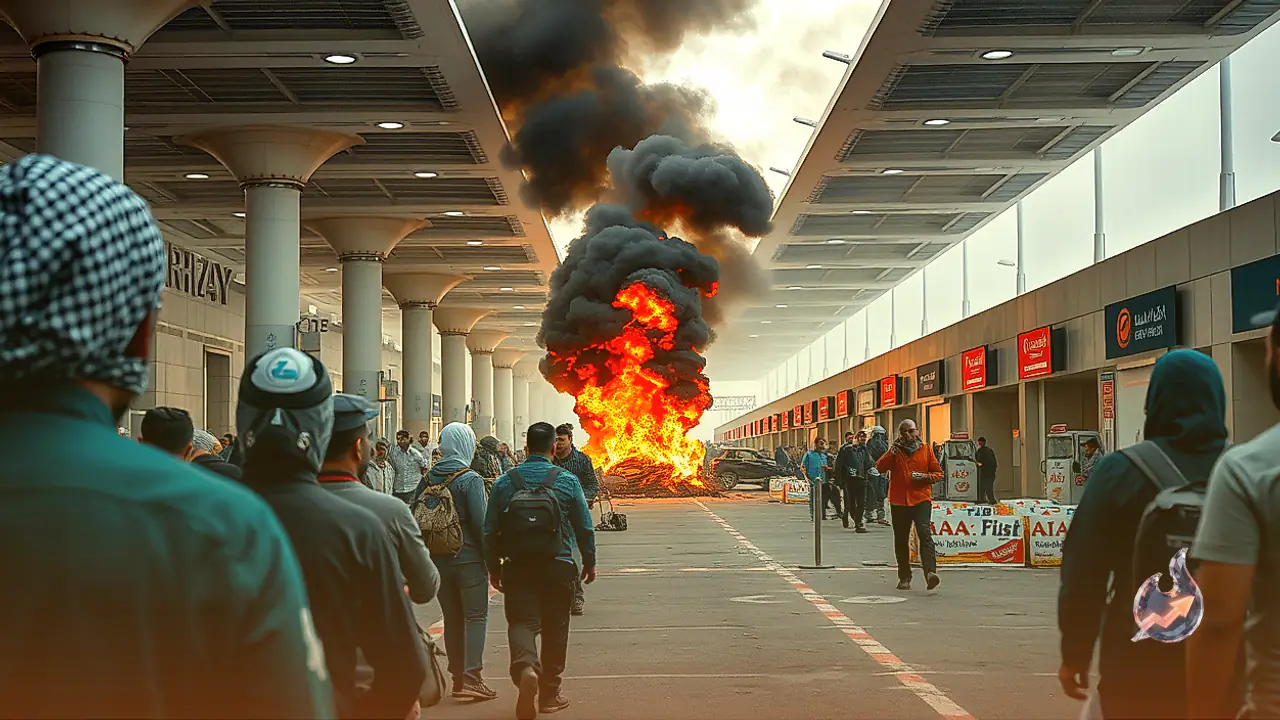

King Khalid International Airport in the Saudi capital of Riyadh has suffered a second aerial strike within two days, escalating fears over aviation security across the Gulf. A Saudi military spokesperson confirmed that a projectile hit the airport complex on Sunday, triggering a blaze inside Passenger Hall No 4. Saudi Arabia's civil aviation authority reported multiple injuries from the blast, which came barely twenty-four hours after an earlier barrage on the same facility claimed 13 lives and injured 308 individuals.
Houthi Claims and Expanded Aviation Warnings
Yemeni Houthi militants claimed responsibility for the back-to-back attacks and issued a stern warning directing international commercial airlines and passengers to stay clear of Saudi air hubs and airspace. According to the movement, their fighters deployed an assortment of ballistic missiles, cruise missiles, and unmanned aerial vehicles to strike targets across Saudi territory over a 24-hour span. The group's military spokesperson, Brig Gen Yahya Saree, stated that alongside Riyadh, their strikes reached eastern energy infrastructure as well as Dammam airport.
Brig Gen Yahya Saree asserted that the armed movement would press forward with escalating operations deep inside Saudi borders. He cautioned that all Saudi aviation facilities are treated as active targets, exempting only the Islamic holy cities of Mecca and Medina. The Houthis stated that their campaign is retaliation for Saudi military backing of government troops in Yemen's long-running civil war, in addition to an alleged air raid conducted against Sanaa International Airport.
Air Defences Engaged as Casualty Toll Mounts
Addressing Sunday's interception, Maj Gen Turki al-Maliki, spokesperson for the Saudi-led military coalition, stated that air defence batteries intercepted an incoming missile close to Riyadh airport. However, an unidentified projectile penetrated the defensive perimeter and crashed into Passenger Hall No 4, igniting a blaze that emergency responders worked to extinguish. Thick smoke and visible fires were observed rising above the King Khalid airport grounds on 8 October.
Saturday's lethal raid represented the single deadliest incident on a Gulf Arab state since open hostilities involving Israel, the US, and Iran erupted in February. Describing the bombardment as a war crime, the Saudi-led coalition pledged retaliation. Casualty records published by the Saudi civil aviation authority showed that Saturday's fatalities included four Saudi nationals, two individuals from Bangladesh, and one citizen each from the US, Jordan, Palestine, Syria, Sudan, and Egypt. On Sunday, the Indian embassy in Saudi Arabia confirmed that an Indian national had succumbed to injuries sustained in the strike.
International Condemnation and Diplomatic Fallout
The strikes have drawn immediate condemnation from international partners. US President Donald Trump stated that Washington would make a decision and move very quickly concerning whether to carry out military strikes against the Houthis. US Secretary of State Marco Rubio denounced the raids and verified the death of an American citizen. In London, Foreign Secretary Ed Miliband expressed that he was appalled by the aggression, while UK Defence Secretary Wes Streeting indicated that Britain could potentially expand military support to assist Saudi Arabia.
The UK Foreign Office revised its advisory, warning British citizens against all travel to select sections of Saudi Arabia, particularly zones within 10km (6.2 miles) of the border shared with Yemen. Other Western diplomatic missions issued parallel travel warnings for the region. Meanwhile, Houthi-controlled Al Masirah TV reported that Saudi aircraft struck Sanaa International Airport in Yemen's capital, an assertion that Saudi authorities have not confirmed. Abdullah Al-Alimi Bawazir, vice-president of Yemen's internationally recognised government, urged regional and global allies to take decisive actions to halt the militia's offensive.
Collapse of the Truce and Regional Anxieties
The current spiral of violence follows the collapse in July of a temporary ceasefire agreement originally brokered between the Houthis and Saudi-led forces in 2022. Hostilities flared dramatically after Houthi fighters launched a rapid ground push to capture vital stretches along the Red Sea coastline, which triggered retaliatory air raids before Yemeni pro-government units managed to reassert control over those coastal sectors.
Presently, the Iran-backed Houthi movement holds approximately one-quarter of Yemen's geographic landmass, encompassing around 80% of its civilian population. While the group aims to establish dominion over the entire country, Saudi Arabia remains committed to preventing the consolidation of an Iranian proxy state along its southern perimeter, viewing the prospect as an unacceptable national security hazard.