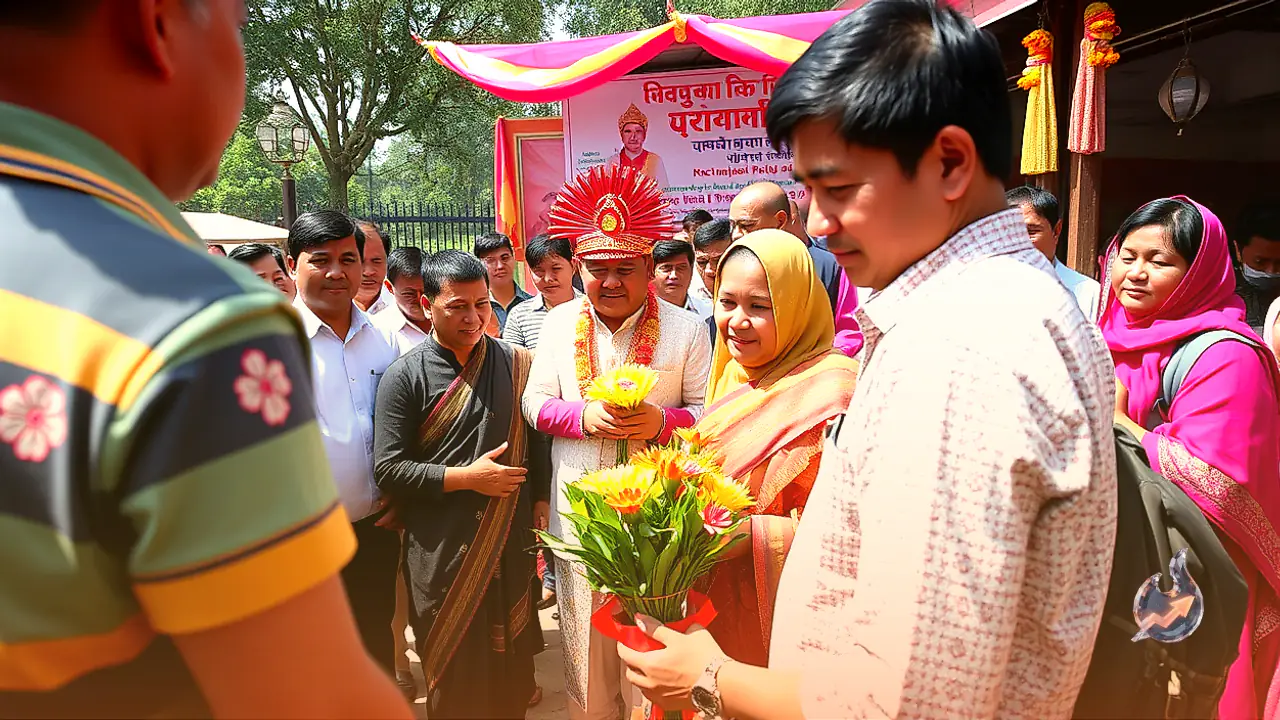




















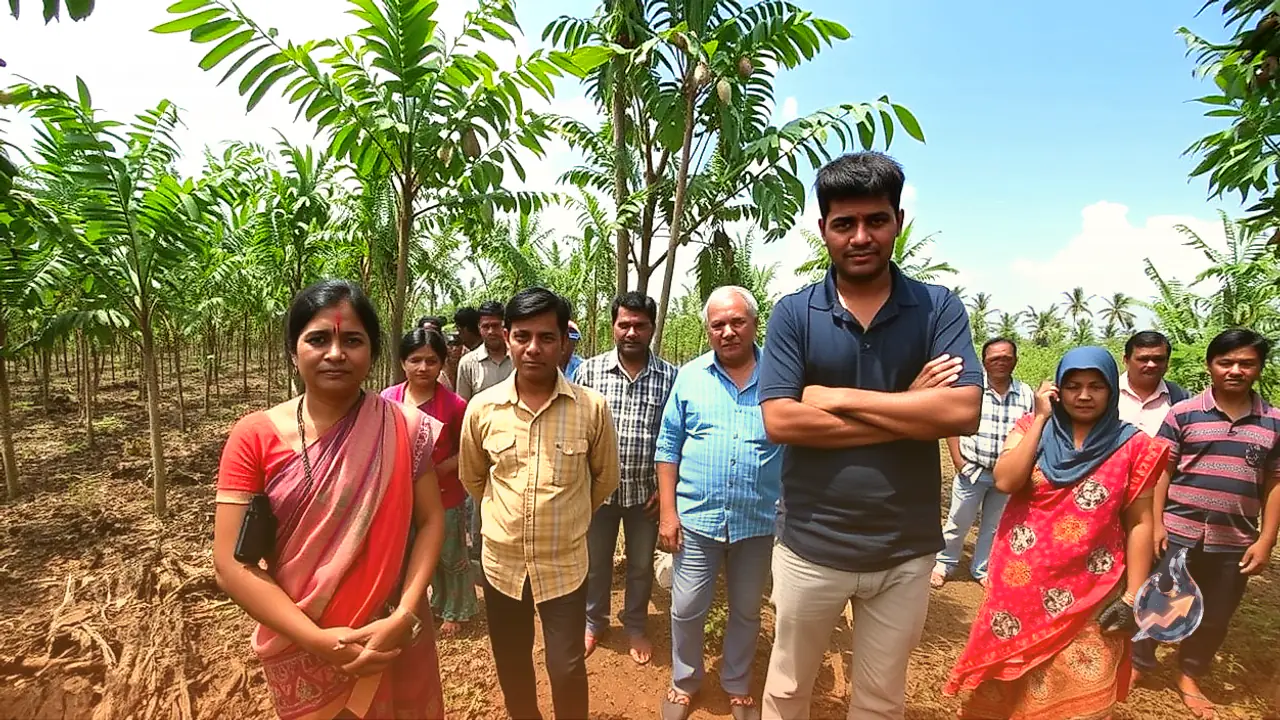

The Mizoram government is preparing financial assistance and research-backed interventions to tackle a prolonged pest infestation that has damaged arecanut plantations across the state since 2021. Chief Minister Lalduhoma announced the initiative while inaugurating a training-cum-seminar dedicated to scientific cultivation and pest management techniques. Across Mizoram, arecanut farming spans roughly 67,380 hectares, with total production projected to reach 5.12 lakh quintals during 2025-26. These production figures position Mizoram as the fifth largest arecanut-producing state in India.
Joint Scientific Investigation and Central Assistance
To identify the root causes and specific characteristics of the infestation, field teams comprising officials from the state Land Resources, Soil and Water Conservation Department and specialists from the Union Agriculture Ministry Directorate of Arecanut and Spices Development conducted extensive inspections across impacted fields. A comprehensive technical dossier detailing the factors behind the outbreak alongside actionable eradication strategies is currently being compiled for the Union Agriculture Minister. Lalduhoma expressed confidence that financial and technical backing from the central government will help contain the pest spread across affected districts.
Intercropping with Cocoa and Modern Agricultural Methods
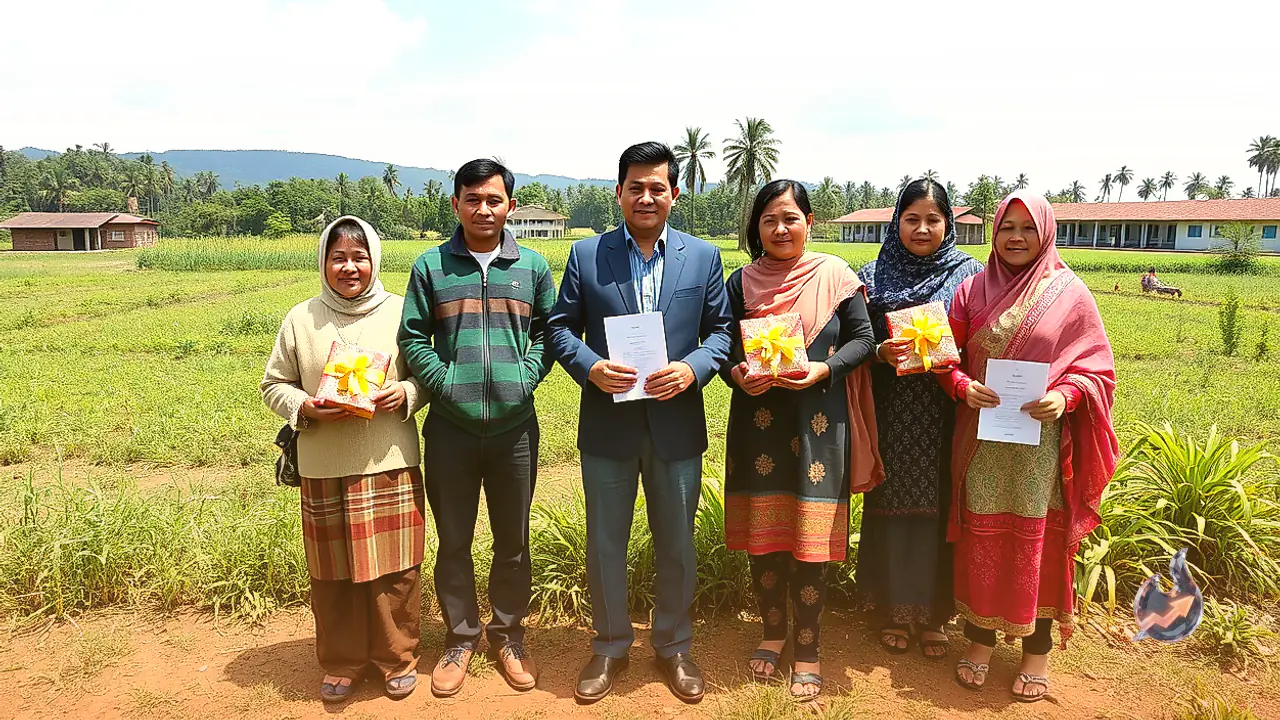
To optimize land use and provide alternate income streams, the state administration is reviewing plans to intercrop arecanut trees with cocoa, working closely with the ICAR Central Plantation Crops Research Institute. Addressing the growers, Lalduhoma emphasized that shifting away from purely traditional farming habits toward scientific guidance is indispensable for boosting harvest yields and managing plantation health. He urged prospective cultivators to access financial assistance through the state flagship Bana Kaih, or Handholding, program as well as the Chief Minister special package.
Rs 27.66 Crore Sanctioned for 170 km Plantation Road Network
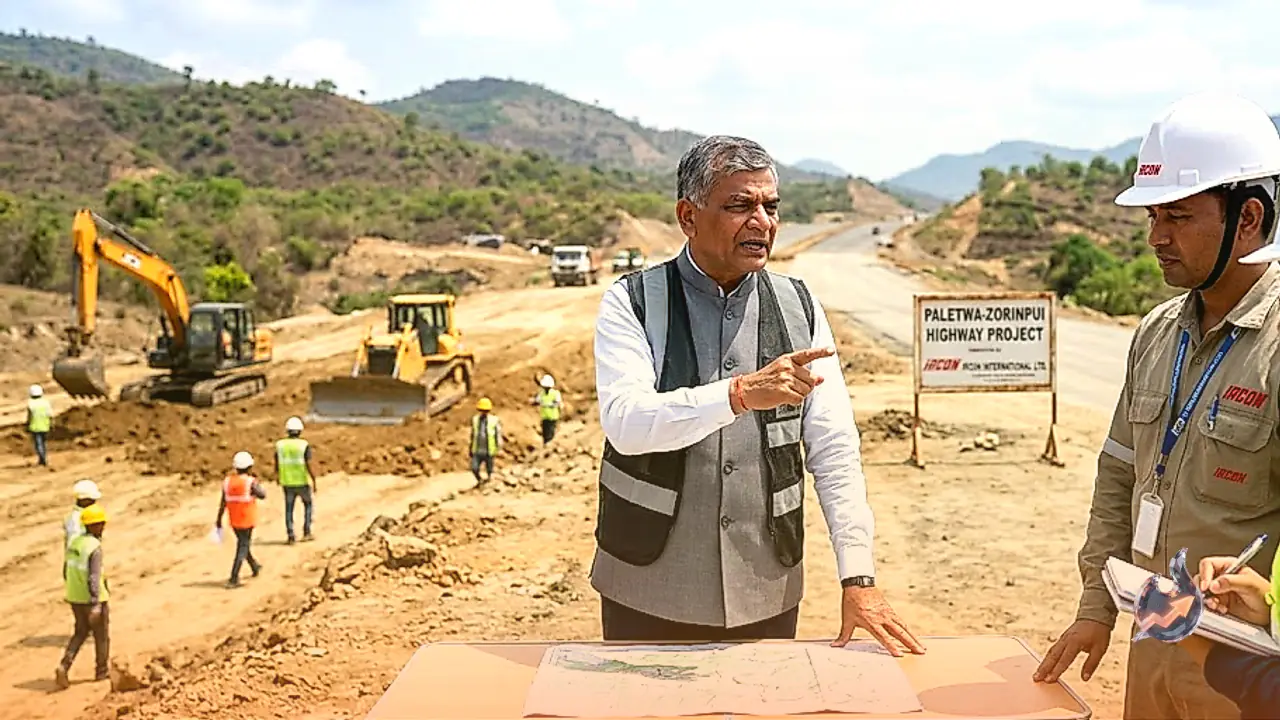
Addressing persistent representations from cultivators regarding practical hurdles, the government committed to phased delivery of essential inputs, such as pest-control formulations, fertilizers, structured irrigation facilities, and improved transport access. A dedicated allocation of Rs 27.66 crore has been secured through the National Bank for Agriculture and Rural Development (NABARD) alongside the Special Assistance to States for Capital Investment (SASCI) scheme. This capital will fund the construction of 170 km of specialized link roads serving arecanut, rubber, and broom grass plantations across several regional clusters.
Tapping Carbon Finance and Upgrading Grower Practices
The state is also pursuing opportunities to generate supplementary revenue for growers through carbon credit monetization. Because arecanut, rubber, and coffee plantations absorb atmospheric carbon dioxide and contribute to regional climate change mitigation, authorities are holding formal discussions with carbon-trading agencies and aggregators to establish carbon-credit frameworks. Attending the event, Land Resources, Soil and Water Conservation Minister Lalthansanga referred to cultivators as the administration VIPs, warning that sole reliance on conventional agricultural techniques presents operational bottlenecks and calling on attendees to apply scientific training directly in their fields.