
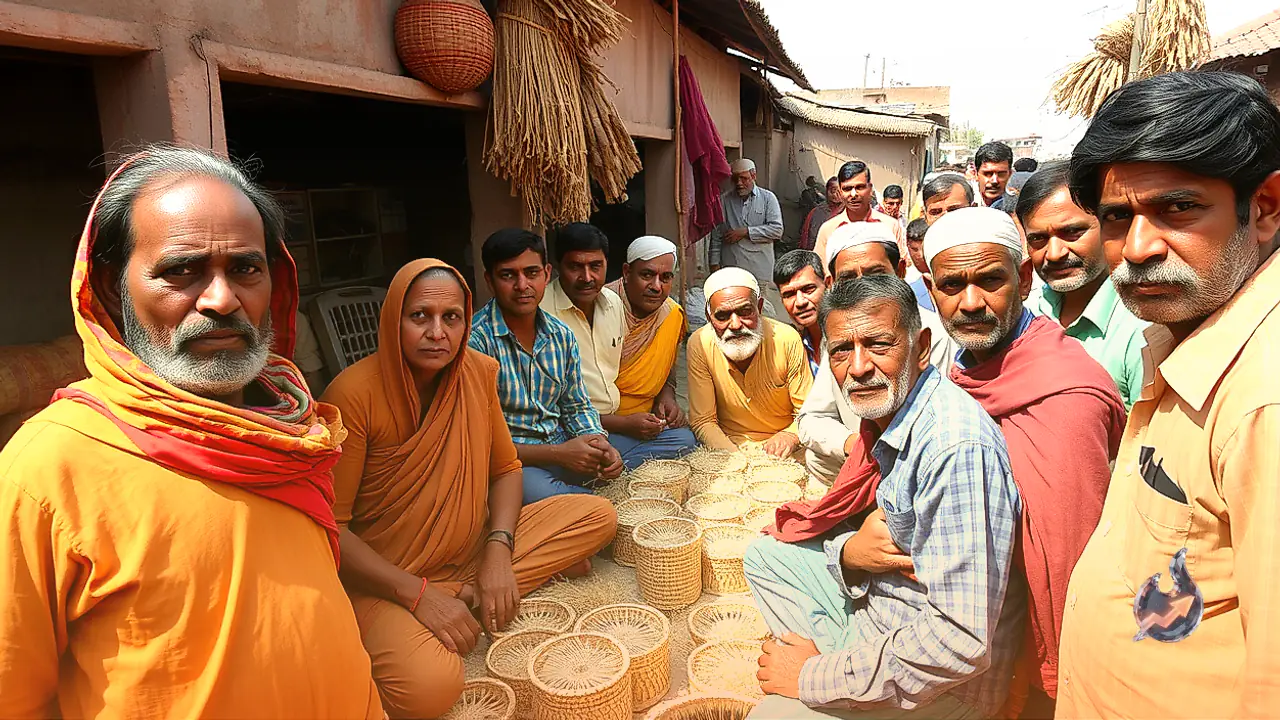














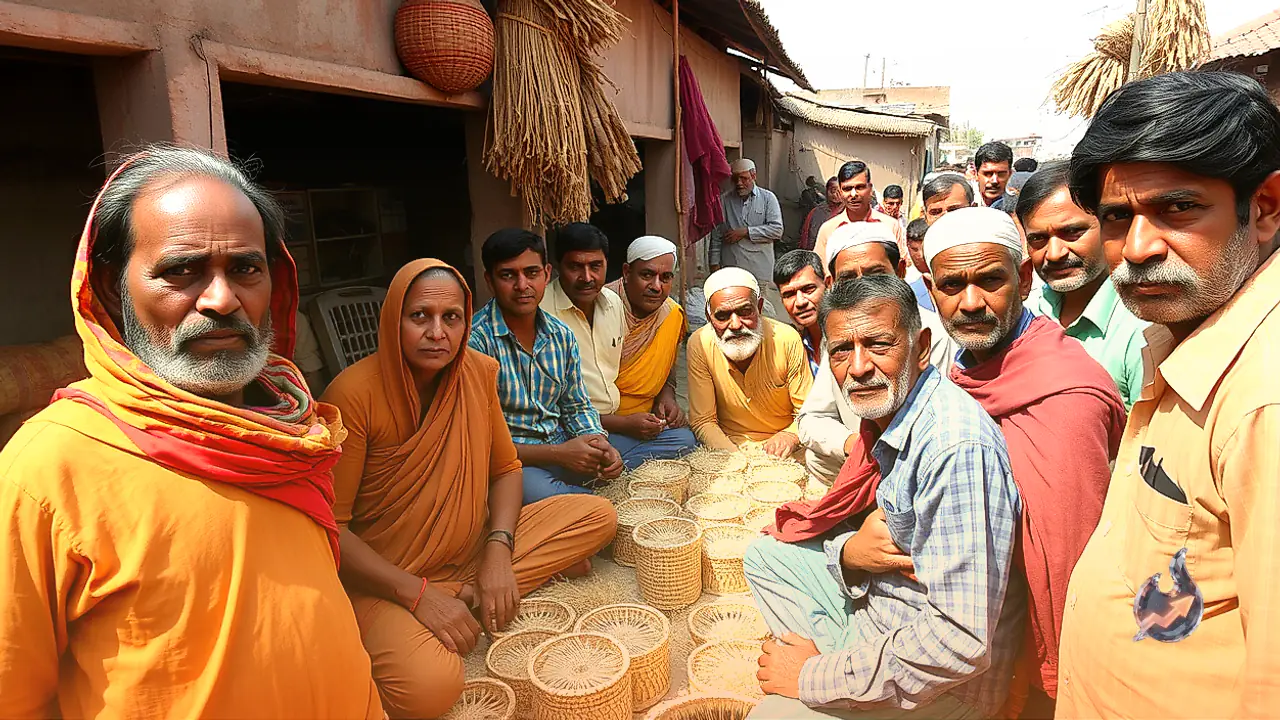

A targeted initiative by the industries department in Azamgarh aims to transform the fortunes of traditional craftspeople and heritage workers by fostering self-reliance. Operated under the Vishwakarma Shram Samman Yojana, the programme assists individuals engaged in inherited trades such as blacksmithing, pottery, carpentry, and tailoring who intend to scale up their enterprises or establish new production units.
Financial Assistance and Subsidies for Certified Craftsmen
The primary vision behind the scheme is the socioeconomic upliftment of individuals engaged in ancestral livelihoods. Jitendra Yadav, Assistant Commissioner of Industries, explained that artisans who have undergone formal training and obtained official certificates under either the Vishwakarma Shram Samman Yojana or the PM Vishwakarma initiative are eligible to secure financial assistance. Certified individuals can obtain credit facilities up to Rs 10 lakh to set up their workshops or small enterprises. A key advantage of this support structure is the full waiver of interest charges, alongside a direct 15 percent financial subsidy funded by the government.
Eligibility Criteria and Beneficiary Contribution Rules
The financial lifeline is extended across a broad spectrum of heritage vocations. Eligible beneficiaries include blacksmiths, potters, carpenters, goldsmiths, cobblers, masons, barbers, locksmiths, boat makers, and fishing net weavers. The initiative remains inclusive, welcoming eligible candidates across all social backgrounds, provided they fall within the specified age window of 18 to 60 years.
The financial framework also establishes differential beneficiary equity contributions based on category. Applicants belonging to Scheduled Castes, Scheduled Tribes, and Other Backward Classes must contribute only 5 percent of the overall project cost from their own resources. In contrast, beneficiaries from the general category are required to provide an equity contribution of 10 percent of the total project expenditure.
Documentation Requirements and Project Reports
Applicants must assemble a defined set of supporting records to access the credit facility. The required paperwork includes an affidavit, proof of birth through an 8th or 10th standard educational certificate or its equivalent, an Aadhaar card, a PAN card, and a valid caste certificate. Submissions must also incorporate the applicant's photograph, an active mobile phone number, and the mandatory vocational training completion certificate.
The administrative process also streamlines project documentation based on the scale of investment. For ventures budgeted under Rs 10 lakh, the system automatically generates the requisite project report digitally. If an intended venture exceeds the Rs 10 lakh threshold, the applicant is required to have a formal project report compiled by a chartered accountant or an authorized technical expert.