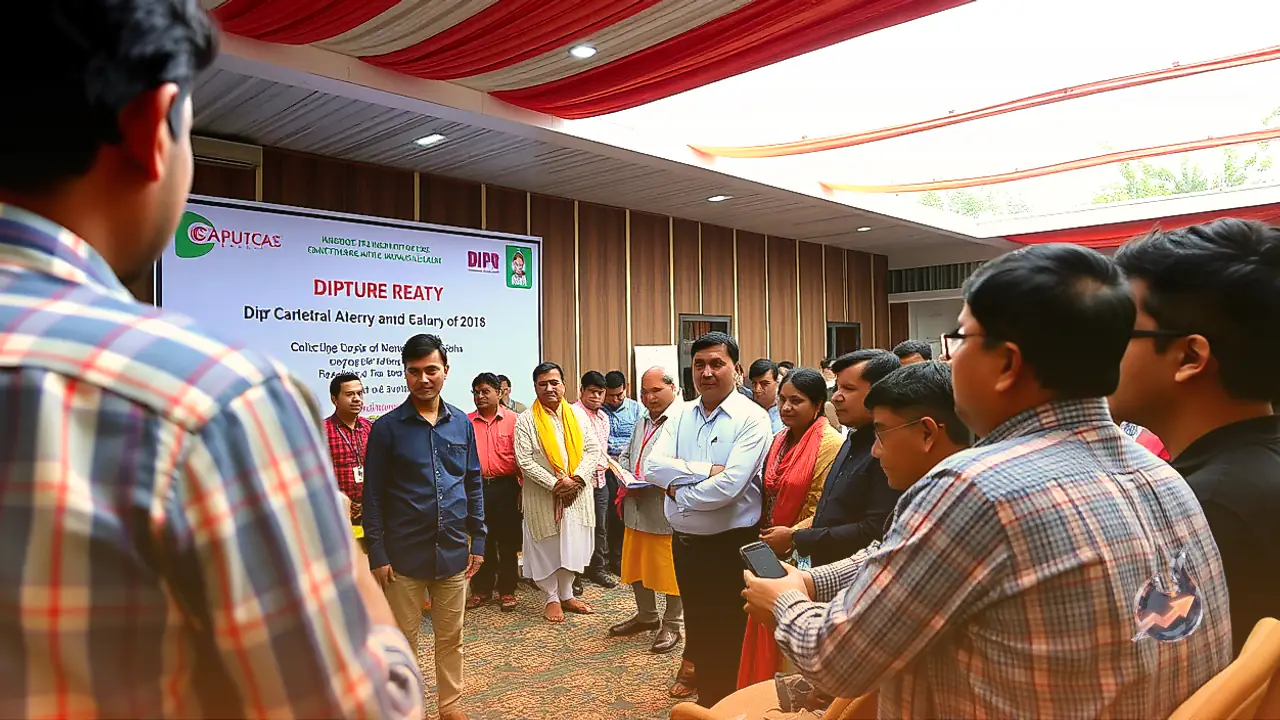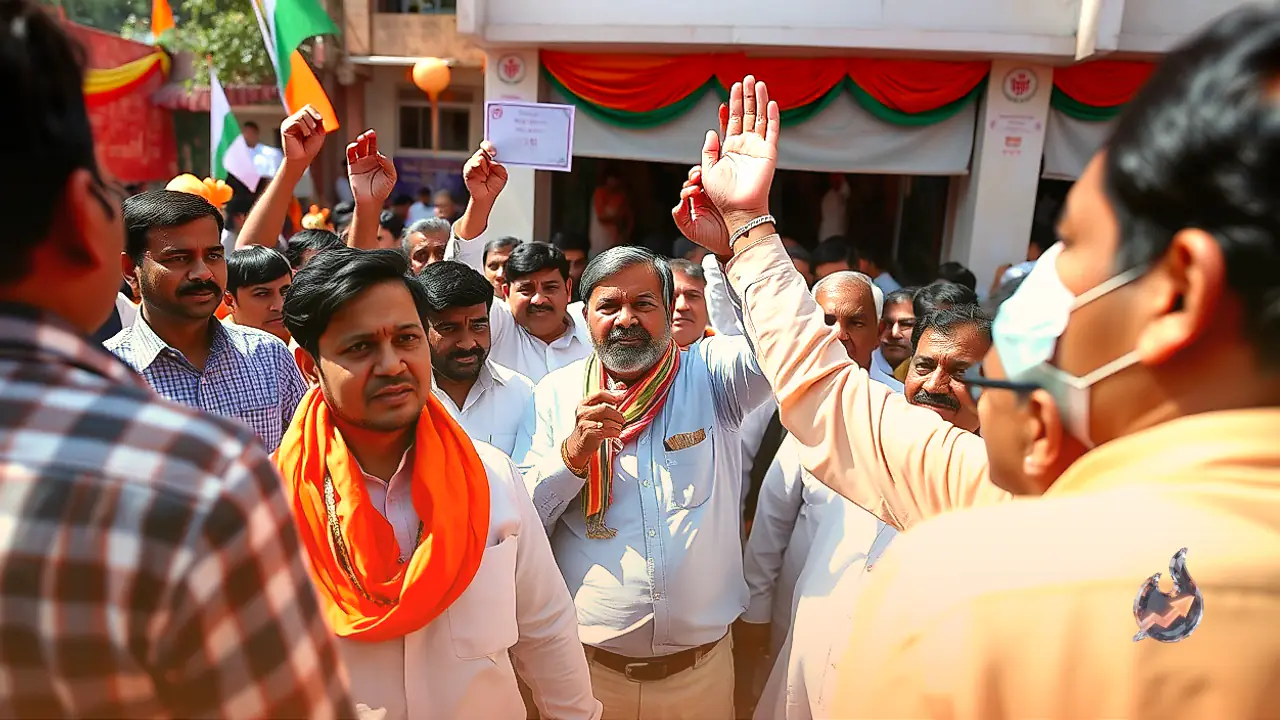
















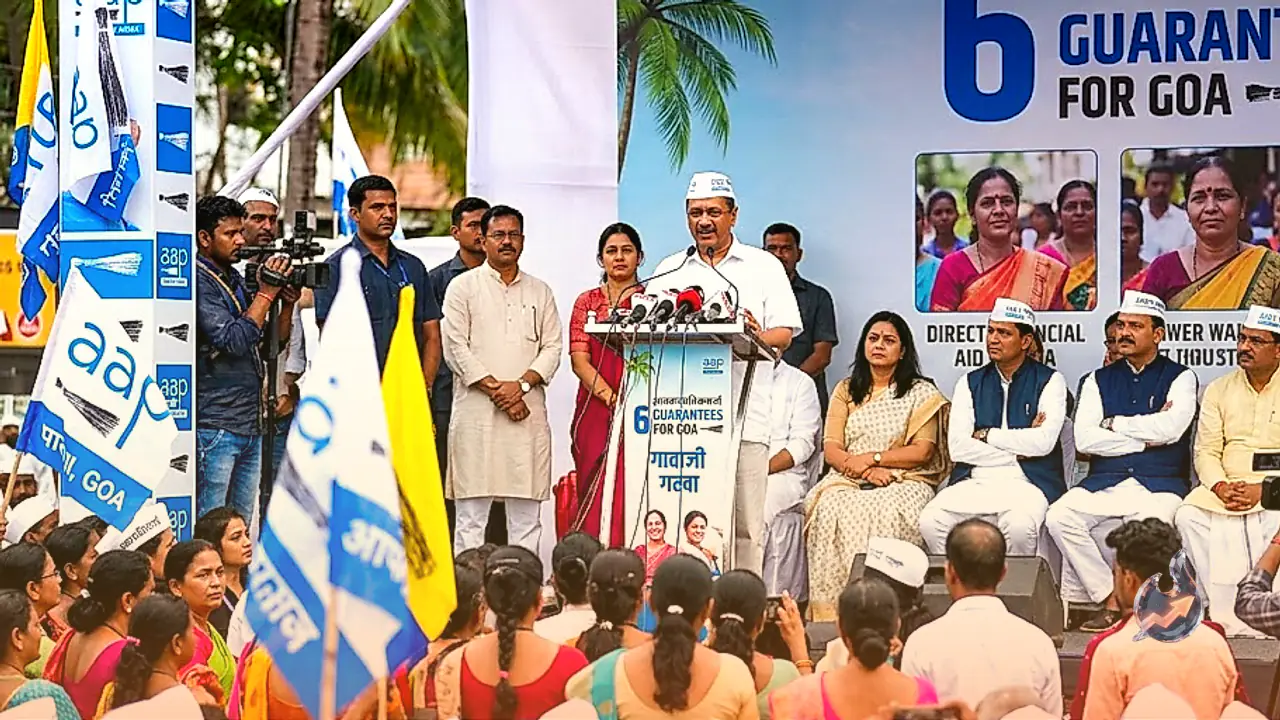

Stepping up the political campaign in the coastal state, Aam Aadmi Party national convener Arvind Kejriwal presented a comprehensive welfare roadmap for the voters of Goa. Addressing a public gathering in Panaji during his three-day visit, he officially announced six major guarantees designed to bring direct relief to households across the state. Emphasizing governance delivery, he stated that while the administration would undertake numerous developmental initiatives, these six specific commitments would be implemented on priority upon forming the government. He maintained that the party has already proven the credibility of its word by executing its election pledges in Delhi and Punjab.
Sharp Political Attack on BJP and Congress
During his address in Panaji, Arvind Kejriwal analyzed the prevailing political scenario in Goa, launching direct criticism against both the Bharatiya Janata Party and the Congress. He stated that the local population is exhausted by the political maneuvers of both legacy parties and is actively seeking a genuine alternative. According to him, voters often support the Congress when they wish to defeat the ruling BJP, yet post-election developments see Congress legislators crossing over to join the BJP and forming the very government the electorate voted against. He argued that casting a vote for Congress effectively translates into enabling a BJP-led administration, rendering the vote futile.
Focusing on administrative delivery, he pointed to severe deficiencies in civic infrastructure across Goa under the incumbent BJP government. Arvind Kejriwal highlighted that the state is plagued by poorly maintained roads, frequent shortages of drinking water, and prolonged power outages. He asserted that the public is increasingly looking toward the Aam Aadmi Party to break the cycle of corruption and governance failures perpetuated by traditional political forces.
Electricity Relief: 300 Free Units and Full Arrear Waiver
The first major policy pledge centers on electricity reforms and tariff relief. Arvind Kejriwal noted that domestic electricity tariffs in Goa have escalated dramatically, leaving ordinary households burdened with inflated bills ranging from 15,000 rupees to 1 lakh rupees or more. When affected consumers approach department officials for bill corrections, they are routinely pressured to deposit the entire disputed amount before any rectification is considered. Due to the inability of working families to clear these exorbitant charges, penalties and interest accumulate over time, ultimately resulting in power disconnections.
To dismantle this cycle, he declared that an incoming Aam Aadmi Party government would wipe out all existing pending electricity bill arrears within one week of assuming office. Furthermore, starting in April, domestic consumers would be entitled to 300 units of complimentary power every month, accompanied by the necessary infrastructure to ensure round-the-clock uninterrupted supply. He contrasted this with the performance of conventional political parties, asserting that neither the BJP nor Congress provides free power, a commitment his party has already operationalized across Delhi and Punjab.
Financial Assistance for Women and Free Bus Transit
Addressing gender support and family welfare, Arvind Kejriwal unveiled two substantial initiatives aimed at women. The primary intervention is a direct monetary benefit of 3,000 rupees per month for every adult woman. He criticized the existing Griha Aadhar scheme operating in Goa, arguing that it is constrained by excessive conditional criteria that disqualify households possessing basic assets like a vehicle or home, while also limiting coverage to only one woman per household. In contrast, the newly proposed guarantee offers unconditional support to every eligible woman in a family, including mothers, wives, sisters, and daughters across demographic segments.
Complementing the direct income support, he announced completely free travel for women on state-operated public buses. Arvind Kejriwal pointed out that working-class and middle-income families rely heavily on bus networks for everyday mobility. Drawing parallels to operational programs in Delhi and Punjab, where women travel without purchasing tickets, he stated that the same fare-free public transit framework would be established in Goa to reduce everyday commuting costs.
Universal Healthcare: 10 Lakh Rupee Cashless Coverage
The third key guarantee involves a state-sponsored health coverage mechanism offering up to 10 lakh rupees annually for every family. Highlighting infrastructural challenges at the Goa Medical College, Arvind Kejriwal observed that critical care facilities are under pressure, diagnostic machinery is often out of order, and patients face long waiting lists for urgent surgeries. These inadequacies force distressed families to turn to private hospitals, where treatment expenses quickly escalate into several lakhs of rupees.
He critiqued the state government's Deen Dayal Swasthya Seva Yojana (DDSSY), citing instances where the insurance proved inadequate during medical emergencies. Recalling an interaction from a booth meeting, he noted that a patient whose private hospital surgery totaled 2.5 lakh rupees received merely 25,000 rupees under DDSSY, forcing the family to pay 2.25 lakh rupees out of pocket despite paying 300 rupees for the card. Under the proposed model, fashioned after Punjab's healthcare architecture, families would receive an insurance card ensuring completely cashless treatment up to 10 lakh rupees annually across empanelled private hospitals, covering diagnostics, medicines, and hospitalization costs.
Village Playgrounds and Grassroots Local Manifestos
In addition to welfare assistance, Arvind Kejriwal pledged to construct modern public sports playgrounds in every village across Goa. This initiative seeks to provide adequate recreational and training infrastructure for local youth, encouraging sports engagement and community well-being in rural localities.
Concluding his announcements, he highlighted an administrative shift toward hyper-local governance by formulating localized manifestos at the polling booth level. Recognizing that community grievances vary across neighborhoods, the party plans to draft distinct charters of work directly informed by local residents, ensuring that specific grassroots problems are addressed systematically rather than through centralized administrative decisions.