


















In Budget 2026, the central government has reinforced its backing for India's micro, small, and medium enterprises through substantial financial outlays aimed at upgrading the country's industrial ecosystem. By earmarking a dedicated Rs 10,000 crore MSME fund alongside an initiative to revive and modernize 2,000 industrial clusters, the fiscal roadmap signals a decisive move away from broad economic pronouncements toward targeted, grassroots interventions designed to achieve inclusive economic growth.
Targeted Support for the Core of Domestic Commerce
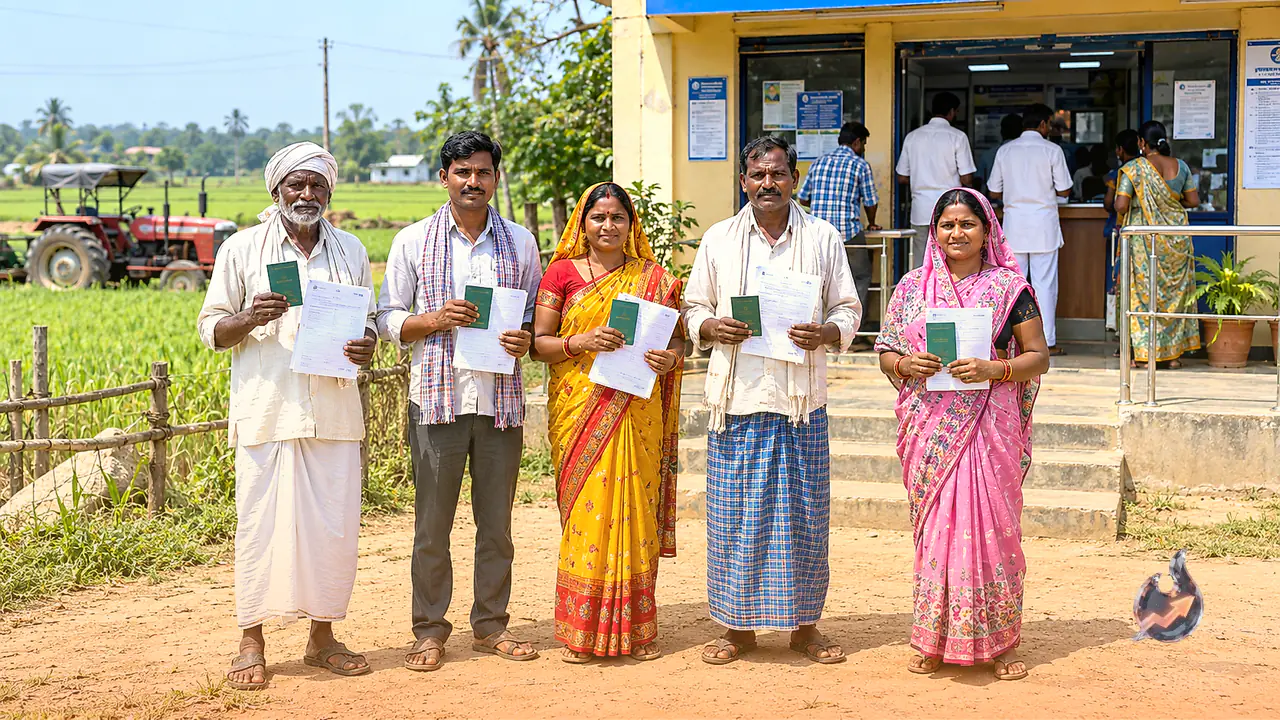
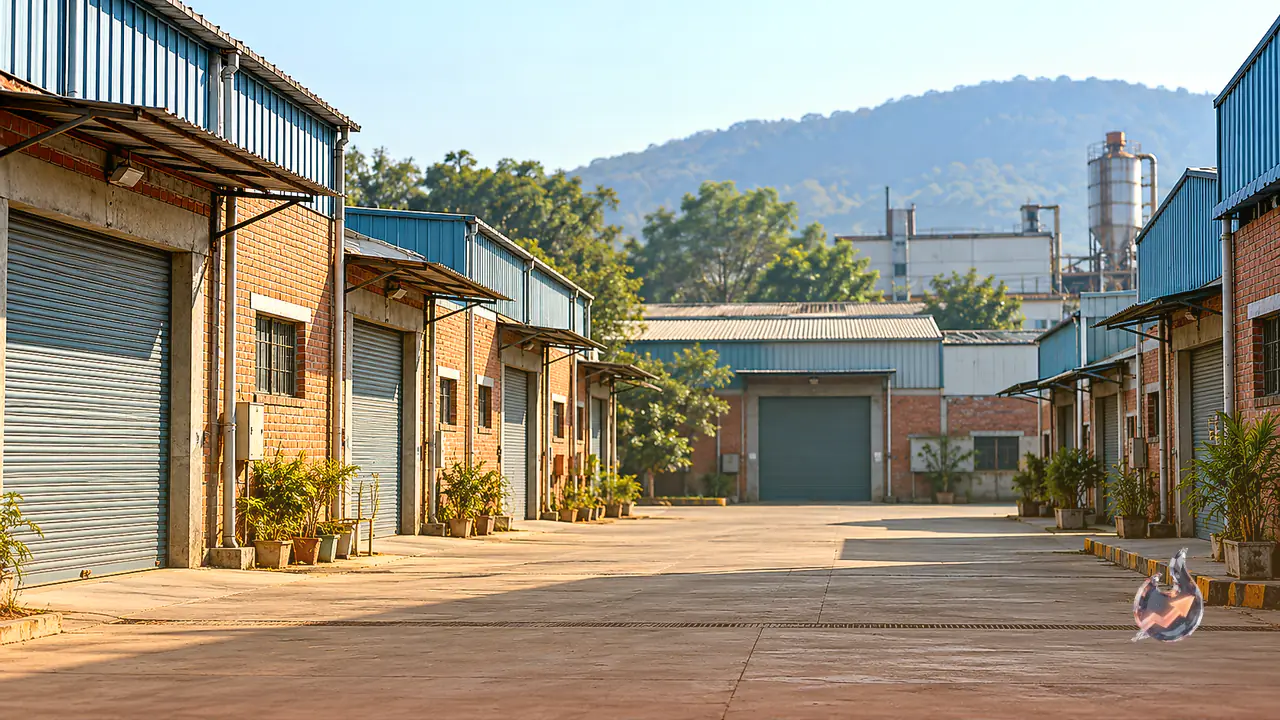
MSMEs serve as the primary engine of the Indian economy, driving massive employment generation, expanding export volumes, and advancing rural development, particularly across tier 2, tier 3, and semi-urban localities. For years, smaller operating units have confronted systemic headwinds, including restricted access to formal credit, outdated production infrastructure, and weak linkages to wider consumer markets. By placing industrial clusters at the center of Budget 2026, policymakers aim to dismantle these longstanding bottlenecks and unlock the productive capacity of local commercial establishments.
Abbhinav R Jain, Co-founder & Chief Financial Officer at AdCounty Media, observed that the budgetary strategy demonstrates a deeper appreciation of small businesses as the prime driver of the national economy. He noted that the Rs 10,000 crore corpus unveiled by FM Sitharaman, coupled with the revitalization of 2,000 industrial clusters, marks an important evolution from high-level corporate governance toward tangible support systems for localized business development.
Upgrading Infrastructure and Preserving Traditional Skills
The modernization roadmap for industrial clusters is positioned to safeguard legacy artisanal skills while simultaneously lifting output efficiency through contemporary technology adoption. Small-scale manufacturing units, traditional craftsmen, and service-based MSMEs often struggle to invest independently in sophisticated machinery, freight logistics, or specialized workforce training. Grouping these enterprises into modernized clusters enables shared access to technical resources, shared logistics, and organized talent pools that would otherwise remain financially out of reach for individual small operators.
Explaining the systemic advantages of this layout, Jain indicated that the framework delivers end-to-end enablement for small enterprises. In his words,
"The fund provides critical financial support, technology modernization, and market access which are required for businesses to succeed and operate. The integrated system results in an increase in the quantity of exports and a reduction in the import quantity and ensures the distribution of benefits to each district."This regionalized approach directly targets district-level supply chains, helping local manufacturers distribute goods more efficiently.
Strengthening Manufacturing to Drive Job Creation
Industry leaders in domestic manufacturing view the budgetary provisions as a direct catalyst for expanding factory floors and reducing dependency on overseas shipments. Raghunandan Saraf, Founder & CEO of Saraf Furniture, stated that the execution of FM Sitharaman's Rs 10,000 crore MSME fund alongside cluster restoration projects reflects India's dedication to sustaining its manufacturing leadership on the global stage.
The deliberate focus on streamlining logistics, conducting employee skill development, and accelerating digital transformation aligns directly with the government's 'Atmanirbhar Bharat' objectives. By cutting down financial constraints through structured liquidity, small enterprises can scale production lines, substitute imported goods with domestic alternatives, and generate broad-based economic value. Saraf highlighted the wider social dividends of this expansion, stating,
"The multiplier effect creates millions of jobs, mainly in rural and semi-urban areas of India."Through these allocations, Budget 2026 establishes small businesses not merely as recipients of state welfare, but as the central vanguard of India's long-term economic expansion.