




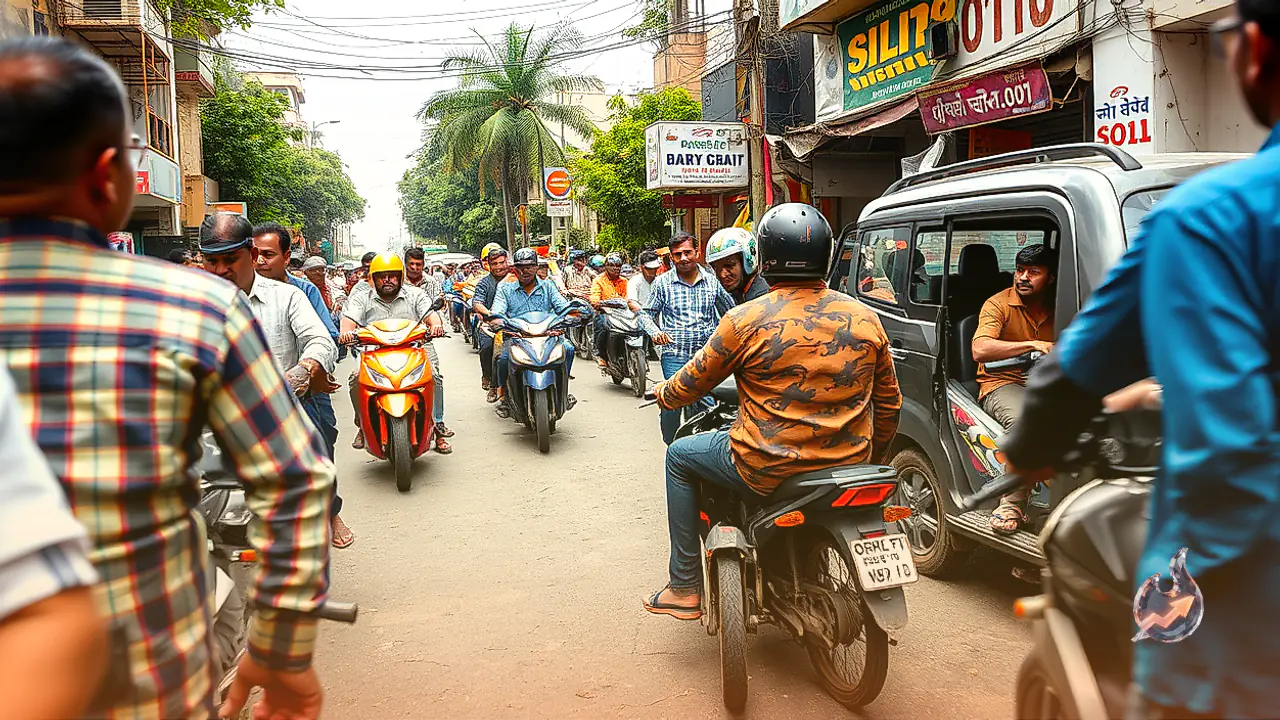
















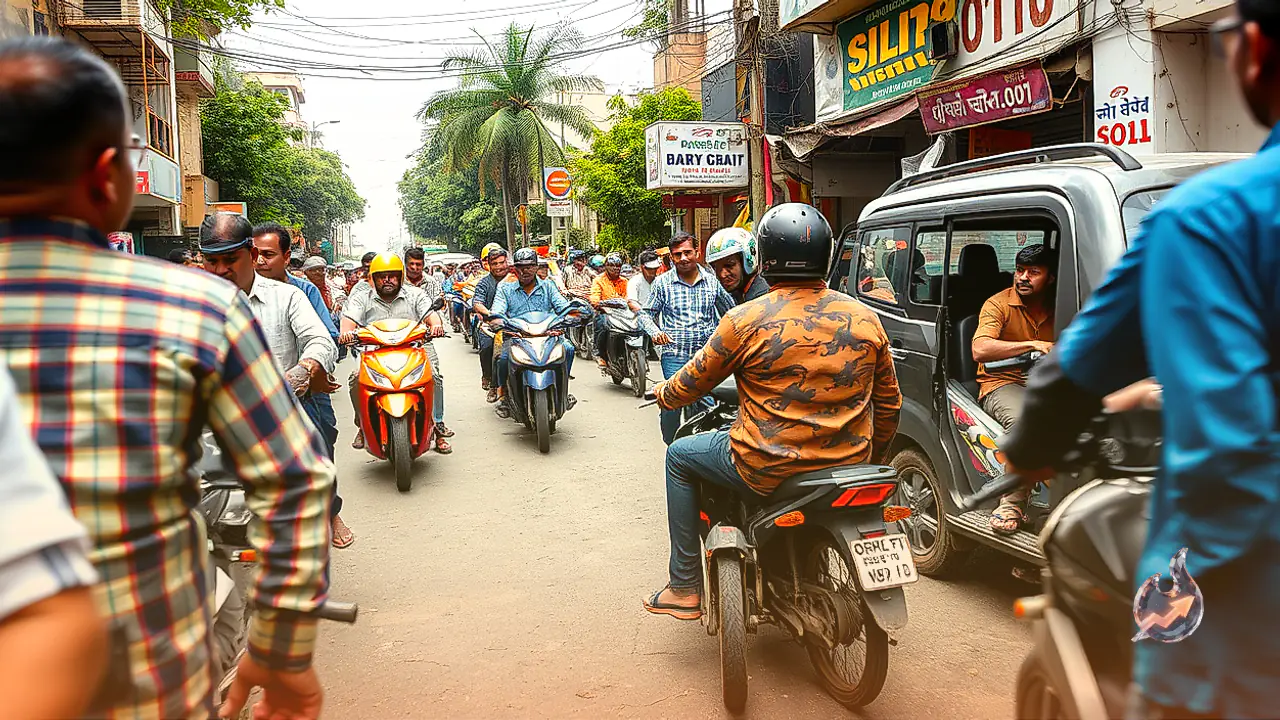

The district administration in Pune has taken a firm stance against unlicensed two-wheeler aggregator operations running across the city. On Thursday, Pune District Collector Jitendra Dudi issued explicit directions mandating the immediate cessation of unauthorized bike taxi pilot services. The administrative intervention comes on the heels of numerous grievances lodged by local autorickshaw and cab driver unions regarding private platforms flouting established transport regulations.
Immediate Halt Ordered for Unlicensed Operations
Collector Jitendra Dudi stated that existing transport laws strictly prohibit any two-wheeler aggregator service from functioning without securing the mandatory operating licence. Under these prevailing legal provisions, Rapido has been specifically instructed to discontinue its ongoing pilot operations in Pune with immediate effect. Dudi cautioned that should the aggregator fail to follow the administrative order, authorities will initiate formal legal action starting Friday.
The administration emphasized that platforms must strictly adhere to current statutory mandates while the broader licensing mechanism is underway. Dudi pointed out that the government will take the final decision regarding the licensing process. Until that official framework is finalized and formally granted, unapproved commercial bike operations cannot be permitted on city roads.
Review Meeting Triggered by Driver Union Complaints
The regulatory directives follow a dedicated administrative review meeting convened to address representations submitted by various cab and autorickshaw driver unions. The unions had voiced serious concerns, alleging that commercial aggregator platforms operating throughout Pune were routinely bypassing transport rules and undermining fair trade practices.
Addressing the outcome of the discussions, Dudi clarified that the meeting did not formulate any new policy measures. Instead, transport and administrative officials instructed aggregator firms to stringently implement existing government guidelines that are already in force. The administration underscored that existing rules provide sufficient framework to curb non-compliance.
Driver Revenue Share Fixed at 80 Percent
One of the central grievances raised by driver associations pertained to unfair compensation structures and platforms withholding appropriate earnings. To address these issues, the administration reiterated the rule requiring aggregator firms to transfer 80 per cent of the total collected fare directly to the drivers.
Dudi noted that this revenue distribution requirement forms a key component of established government guidelines, which authorities have now mandated platforms to operationalize without delay. The enforcement of this split is intended to ensure financial protection for operating drivers against arbitrary commission deductions.
Strict Caps on Passenger Fare Band
The administration also tackled discrepancies surrounding dynamic passenger pricing. Collector Dudi explained that all trip fares levied by aggregator companies must strictly remain within the legally permissible price band centered on the base rate established by the Regional Transport Office (RTO). Under these statutory limits, platforms may charge a minimum of 25 per cent below and a maximum of 50 per cent above the RTO base rate.
Authorities noted that multiple consumer and driver complaints had pointed to platforms charging prices outside this authorized bandwidth. Strict instructions have been issued to bring billing practices immediately back within the prescribed spectrum to prevent passenger exploitation.
Monthly Operational Reporting and In-App Fare Displays
To establish institutional accountability, transport authorities directed aggregator firms to submit monthly operational data. Dudi stated that regular reporting will enable regulatory officials to systematically inspect fare calculations and audit payment disbursements made to drivers.
Additionally, platforms have been ordered to configure a dedicated display column within their passenger-facing mobile applications. Much like the fare cards physically displayed in autorickshaws, this in-app field must show the official RTO-prescribed rate alongside the quoted price. This measure ensures complete visibility for commuters regarding government-sanctioned tariffs.
Reiterating the core mandate, District Collector Jitendra Dudi asserted that two-wheeler aggregator services cannot operate without valid statutory licensing under prevailing legislation. With the shutdown order formally issued to Rapido for its pilot service, the administration stands ready to commence legal proceedings from Friday in the event of non-compliance.