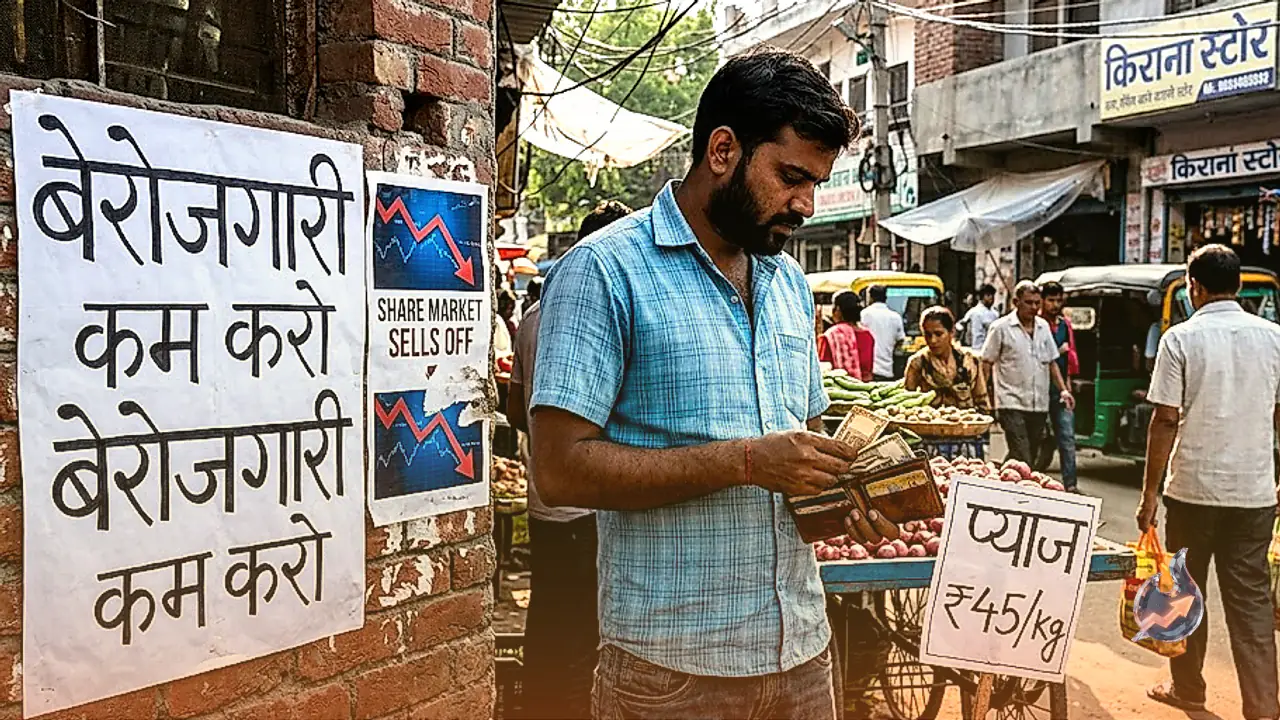






















Borrowers who recently felt a wave of relief following the monetary policy announcement might soon face tough financial conditions ahead. Just two days after the RBI Governor revealed the decision of the Monetary Policy Committee to maintain status quo on the repo rate, economic indicators point toward escalating price pressures. Controlling the repo rate relies heavily on keeping consumer prices within a manageable range, but retail inflation for July is expected to remain above the central bank's medium-term target of 4%. The RBI Governor recently projected annual inflation to hover around 5% for the current fiscal year, a slight adjustment from the previous forecast of 5.10%. If retail inflation keeps climbing at this pace, borrowing costs across commercial banks could rise significantly in the near future.
Surging Food Costs and Fuel Hike Pressures
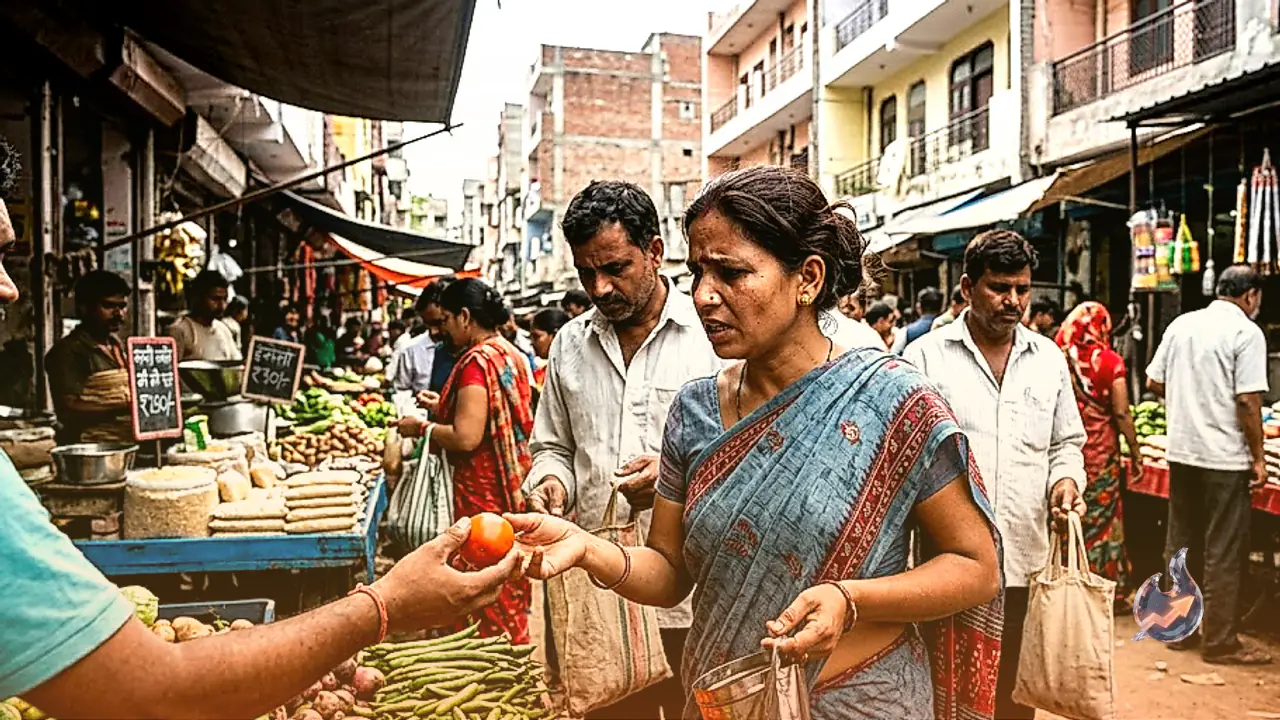
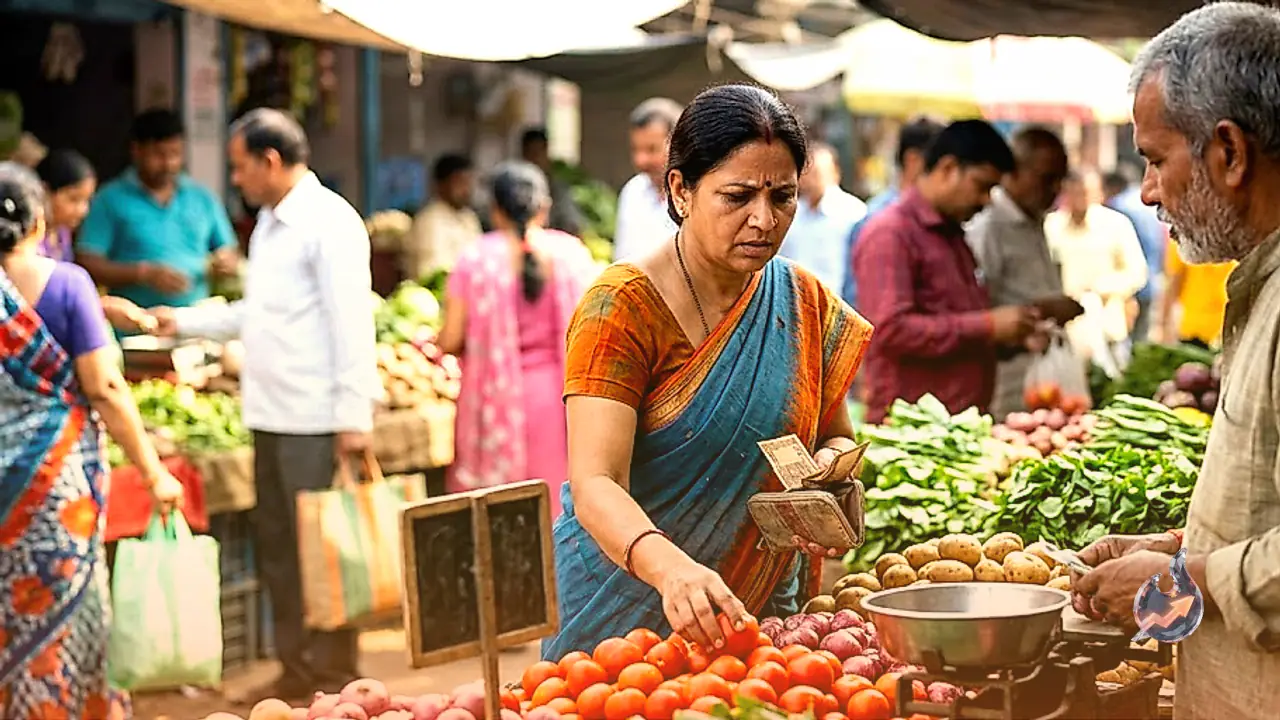
The primary driver behind the persistent inflation is the uneven rainfall seen during the current season, which has directly inflated the prices of essential kitchen staples. Food expenditure accounts for more than 40% of the average household budget in India, making family finances particularly sensitive to agricultural supply shifts. While retail inflation has historically remained within the RBI's permissible tolerance band of 2% to 6%, the recent upward movement beyond the target level of 4% has heightened concerns among monetary policy makers. Adding to the burden, fuel prices have exerted strong upward pressure on consumer inflation. Oil marketing companies implemented four separate price increases for petrol and diesel during the month of May, compounding transportation and logistics costs across the supply chain.
Economic Survey Projections and Official Release Date
A recent survey conducted among 40 professional economists reveals that retail inflation is expected to reach 4.50% in July, rising from the 4.38% recorded in June. The Ministry of Statistics and Programme Implementation is scheduled to publish official retail inflation metrics on August 12. Commenting on these trends, Kanika Pasricha, Chief Economic Advisor at Union Bank of India, highlighted that food price inflation maintains its upward trajectory while escalating fuel costs continue to push general retail figures higher. Alongside consumer prices, wholesale price trends present equal cause for caution. Projections from the same survey of economists indicate that wholesale price index inflation could hold firm at 9.95% for July, reflecting broad-based cost pressures across manufacturing and raw material sectors.
Implications for Interest Rates and Future Rate Cycles
The combined pressure of wholesale and retail price increases leaves little room for monetary easing. Although the central bank had previously estimated retail inflation at 5.10% before revising it closer to the 5% threshold, sustained inflation above the 4% target compromises price stability goals. If food supply disruptions persist and wholesale costs keep feeding into consumer prices, the central bank may be compelled to pivot from its pause stance toward tightening monetary conditions. For retail consumers, this scenario increases the likelihood of higher interest rates on home, auto, and personal loans in the months ahead.