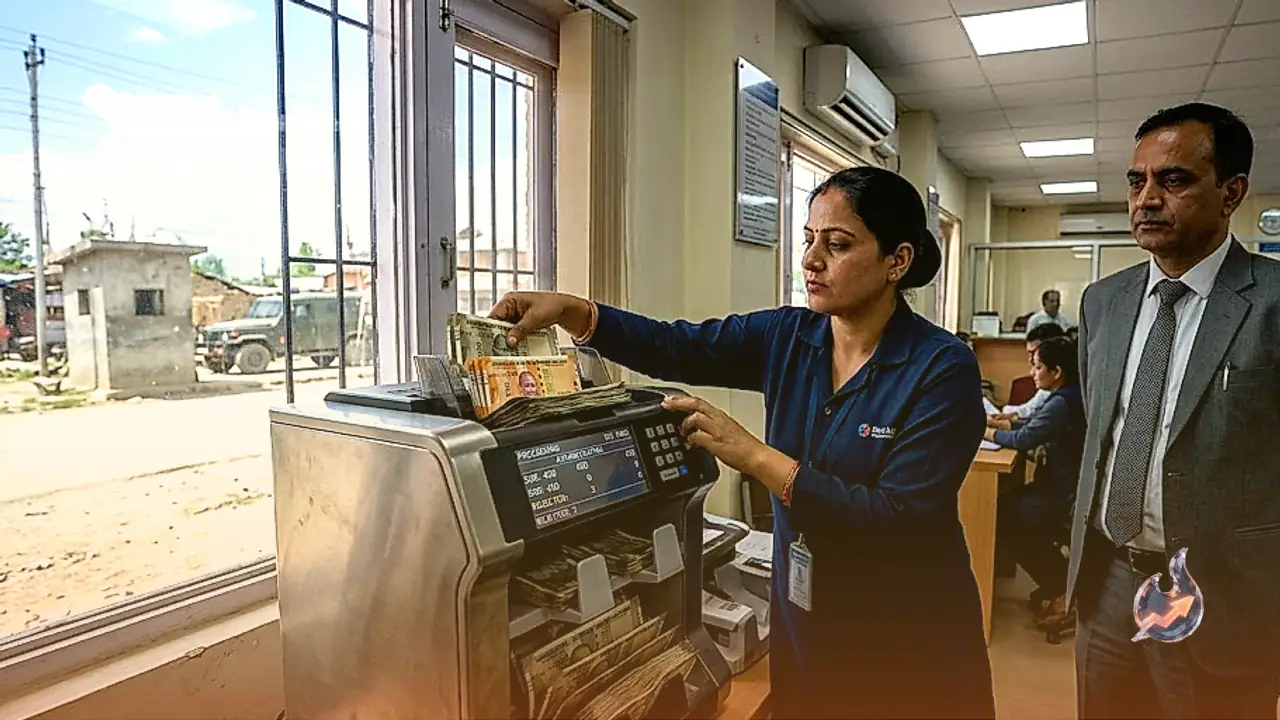
























After retirement, many people park a chunk of their savings in a fixed deposit (FD) opened in the name of a homemaker wife, hoping to keep the money safe and trim their tax outgo. The idea sounds simple enough. The complication shows up the moment the bank deducts TDS on the interest that FD earns. That is when the obvious question arises: who is actually entitled to claim back the tax that the bank has cut, the husband or the wife?
The Clubbing Rule Decides Whose Income It Is
Income tax rules leave little room for doubt here. If the money genuinely belongs to the husband and is simply invested in the wife's name, the interest earned on it is not counted as the wife's income at all. It is treated as the husband's income. In legal terms this is known as the clubbing provisions, meaning the interest credited in the wife's name gets added back into the husband's total income.
Can the Wife File a Form to Stop the TDS?
Speaking to TrendKia, tax and investment expert Balwant Jain broke down exactly how this works. He explained that the income tax law does allow a declaration to be filed, under certain conditions, so that the bank does not deduct TDS. For senior citizens, this facility is available only when there is no tax liability on their total income.
But this is precisely where the catch lies. In this situation, the wife is not regarded as the real taxpayer on the FD. Even though the deposit stands in her name, the interest income is folded into the husband's income under the clubbing provisions. For that reason, the wife cannot submit any such form to prevent the TDS from being deducted.
So How Does the Deducted TDS Come Back?
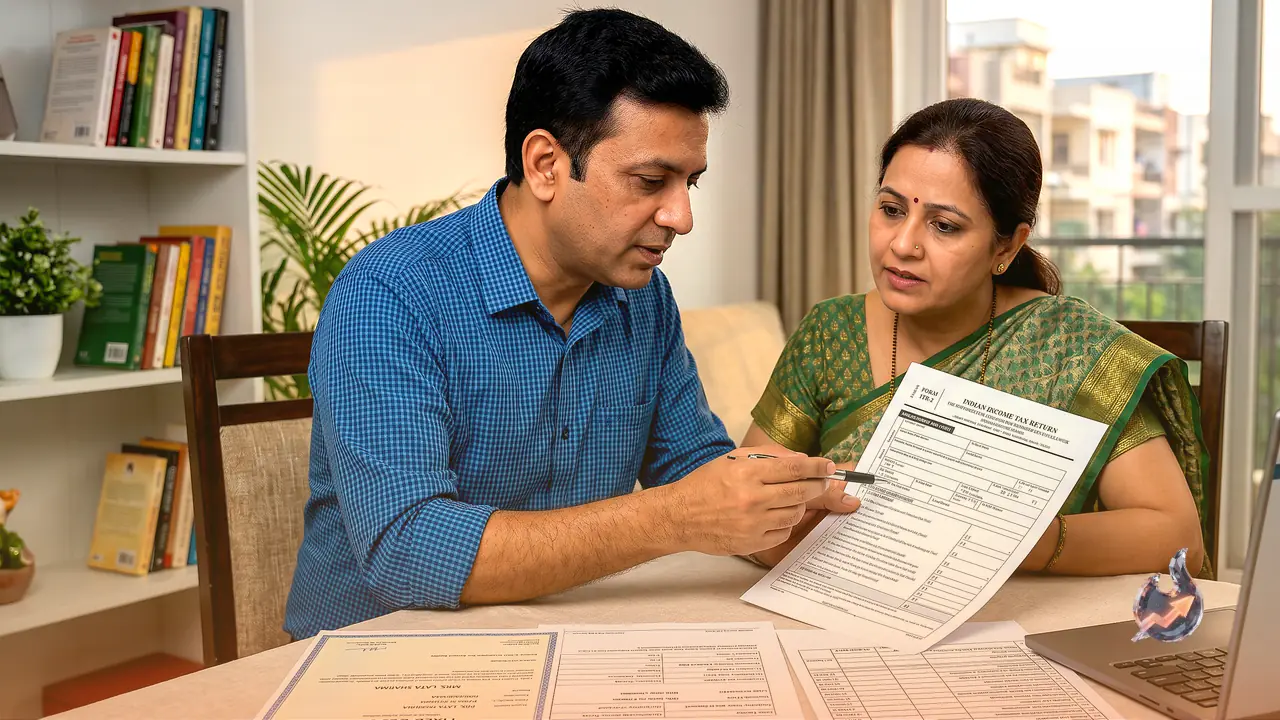
There is no cause for worry, because the money is not lost. The husband can claim the TDS that the bank has deducted at the time of filing his own income tax return (ITR). The ITR form provides a specific option for exactly this purpose.
The method is straightforward. While filing the return, show the full interest amount as part of your total income and enter your wife's PAN number carefully and accurately. Once this is recorded correctly, the TDS deducted by the bank is credited directly to the husband's tax account, clearing the way for the refund.