





















Mounting pollution levels and the accelerating pace of global warming have placed unprecedented environmental pressures across the globe. While these conditions demand urgent ecological remediation, they have simultaneously unlocked valuable commercial avenues for aspiring entrepreneurs and business founders. Operating sustainable, nature-positive enterprises is no longer just an ethical choice, but a financially robust career pathway. Both central authorities and public banking institutions are actively assisting this structural transition by rolling out attractive capital subsidies, equipment grants, and specially structured concessional credit facilities designed specifically for environmentally conscious projects.
Expanding Frontiers in the Solar Energy Segment
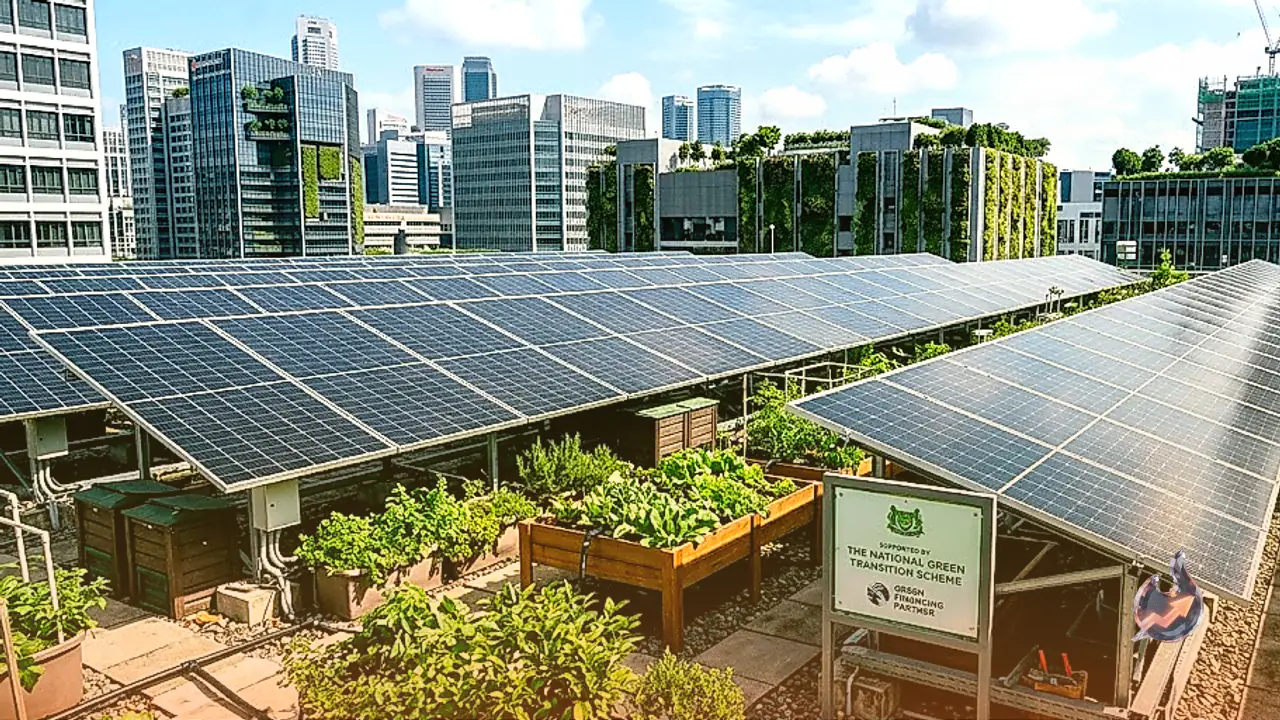
As conventional electricity tariffs climb and clean energy mandates tighten, official policy has placed primary emphasis on expanding solar generation infrastructure. Prospective entrepreneurs can tap into this momentum through multiple entry points, including taking up solar panel dealerships, setting up fabrication units for allied solar accessories, or launching technical installation services for rooftop arrays. Under major flagship initiatives like the PM Surya Ghar Muft Bijli Yojana alongside other rooftop solar programs, commercial and domestic installations qualify for generous capital subsidies. Small-scale industrial units and micro enterprises establishing operations within this renewable framework can secure direct financial assistance covering 30% to 40% of their project expenditure.
Lucrative Avenues Across Waste Processing and Material Recovery
Urban refuse and industrial scrap represent critical municipal headaches, yet they simultaneously serve as low-cost inputs for modern recycling units. Processing solid municipal trash, plastic litter, and discarded consumer electronics represents one of the fastest growing industrial segments today. Emerging operators can install manufacturing systems that transform discarded plastic bottles into technical textiles and apparel yarn. Similarly, specialised processing plants can recover valuable metals from obsolete electronic equipment, while biological processing facilities can convert segregated wet waste into high-grade organic fertiliser. Through the institutional support mechanisms of the Swachh Bharat Mission and Startup India, authorities facilitate these waste-to-wealth facilities through concessional land allotments and dedicated technology acquisition grants.
Electric Mobility Infrastructure and Biodegradable Packaging
The swift adoption of electric mobility across passenger and fleet segments has triggered an immediate deficit in public charging facilities. Establishing commercial charging stations across urban centers, commercial complexes, and transit corridors presents a forward-looking revenue stream with steady utilisation rates. Parallelly, stringent regulatory curbs on single-use plastics have completely restructured packaging logistics. The market demand for fully compostable, biodegradable alternatives and high-tensile paper materials has exploded, opening dependable manufacturing horizons for regional entrepreneurs looking to cater to retail, food delivery, and logistics networks.
Affordable Green Credit and Relaxed Borrowing Norms
To ensure that sustainable ventures do not stall due to capital constraints, financial institutions have rolled out specialised green lending facilities. Public sector lenders such as State Bank of India (SBI) and Punjab National Bank (PNB), along with apex agencies like SIDBI, offer credit specifically earmarked for certified environmental projects. These loans carry borrowing rates that are 1% to 2% cheaper than standard commercial enterprise credit lines. Furthermore, under the Credit Guarantee Fund Trust for Micro and Small Enterprises (CGTMSE), eligible green startups can access required capital without pledging collateral property or personal real estate assets. Lenders also incorporate extended repayment moratoriums, allowing entrepreneurs ample operating breathing room to stabilise commercial revenues before monthly repayment obligations commence.