




















Returning to screen with a ten-episode second entry, this sci-fi series undertakes a notable shift in tone and scope. Anyone who has lingered at a venue well past closing time knows the danger of overstaying a welcome. The 2024 debut of this Apple TV production, adapted from Blake Crouch's 2016 book, delivered a tight, self-contained story following one man's fight to reclaim his family after being displaced by an alternate version of himself. Across nine episodes, it used a multiversal framework to examine choices not taken, ending on a poignant note where the family reunited but was forced to flee into an infinite corridor of unknown realities. This initial evaluation in our Dark Matter Season 2 review highlights how the continuation successfully navigates the challenge of moving past that original conclusion.
Stepping Beyond the Original Book
Had the screen rights simply been handed off to outside showrunners, this continuation might have easily felt like a standard commercial extension. However, author Blake Crouch remains directly in charge of the narrative direction, co-writing every episode alongside Jacquelyn Ben-Zekry to build past his novel's closing page. The new season picks up at the exact moment the previous one ended. Jason Dessen (Edgerton) stands confronted by countless alternate versions of himself, each determined to live with his family. To escape this chaos, Jason, his wife Daniela (Jennifer Connelly), and their son Charlie (Oakes Fegley) step through the trans-dimensional gateway, walking the endless corridor between worlds and leaving their original reality behind.
Pivoting from Dimension-Hopping to Quiet Realism
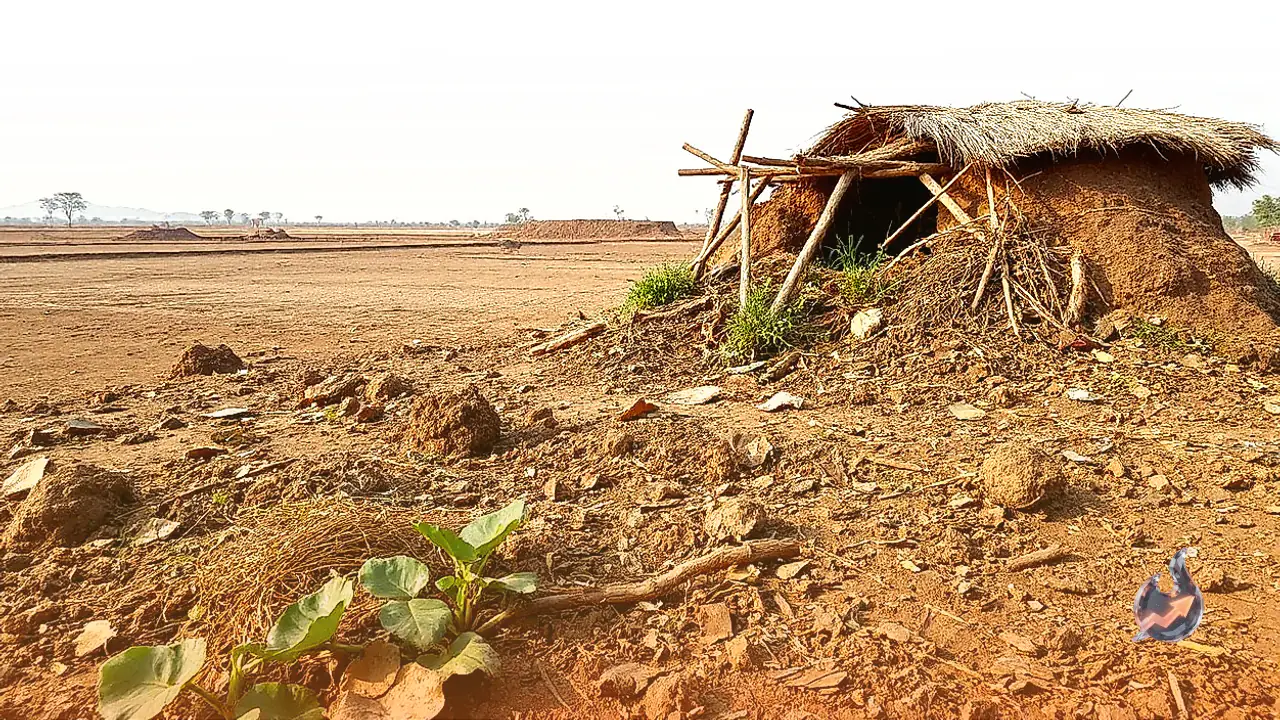
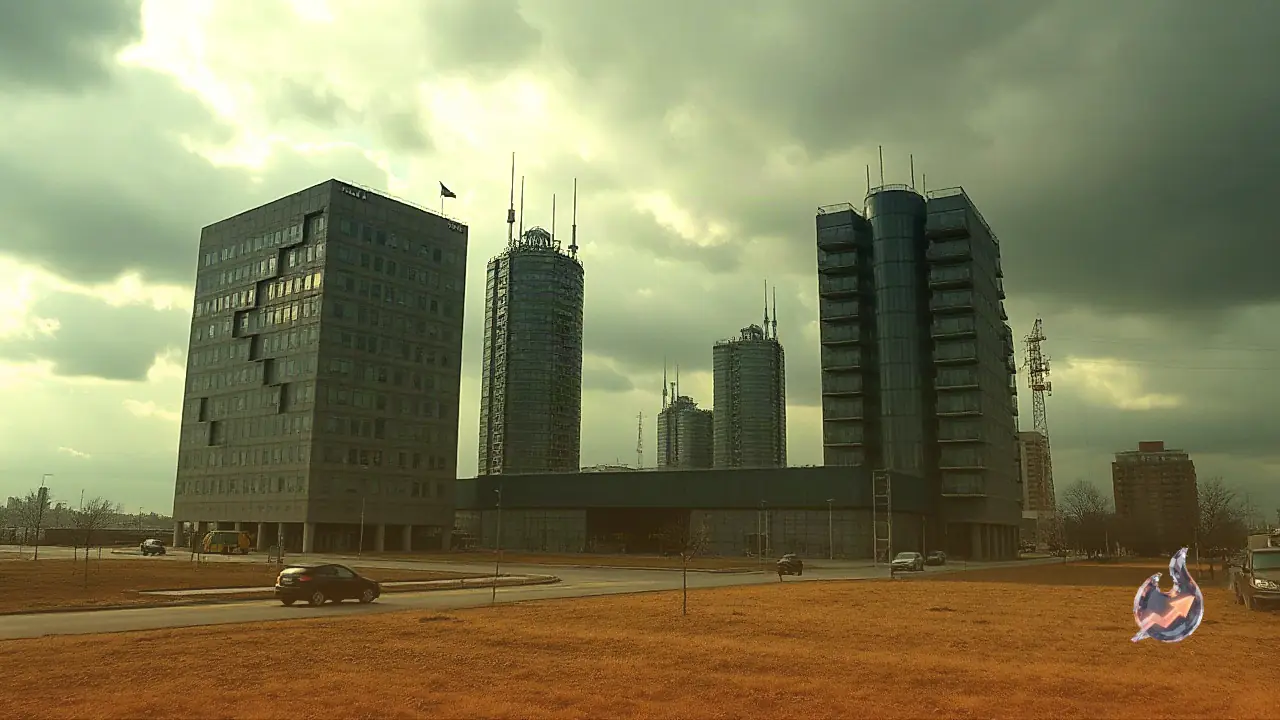
The most predictable path forward would have been adopting a episodic dimension-hopping structure similar to classic shows like Sliders, sending the family through increasingly chaotic alternate versions of Chicago. The narrative briefly touches on these wild realities, including a high-tech world where facial recognition billboards immediately flag their presence, and a storm-ravaged reality plagued by tornadoes. However, the family quickly locates a far more suitable sanctuary: a quiet Earth stripped of digital technology, where computers and internet do not exist, and where no alternate versions of themselves are present. Choosing stability over endless exploration, they attempt to construct an ordinary life in a world frozen in a pre-digital era.
Examining Trauma and Marital Strain
Sidelining high-concept multiverse exploits in favor of a grounded, introspective pace proves to be a bold creative choice. The story allows Jason, Daniela, and Charlie to finally pause and process the intense trauma of their recent experiences. While this focus on emotional reality replaces the relentless momentum of the first season, it yields a compelling character study. Daniela struggles to balance difficult childhood memories with a persistent distrust of her husband, relying on private passwords and physical identifiers to reassure herself of his identity. Simultaneously, Jason remains tormented by the existence of the box, while unresolved insecurities regarding his alternate self's achievements create growing tension within his marriage.
Expanding Parallel Subplots and New Mysteries
Beyond the primary family dynamic, the narrative maintains its broader mystery elements for viewers interested in sci-fi intrigue. Former colleagues Amanda (Alice Braga) and Ryan (Jimmi Simpson) find themselves navigating parallel dimensions once again, while corporate figure Leighton Vance (Dayo Okeniyi) searches across various realities to fashion an idealized world. Additionally, actor Chris Diamantopoulos joins the ensemble in dual roles, portraying a private investigator in the pre-digital reality and a Homeland Security agent attempting to decipher why hundreds of Jason Dessen variants suddenly materialized in the primary Chicago timeline.
Standalone Parables and Final Verdict
These interwoven plotlines culminate in a narrative that moves at a deliberate pace while offering deeper thematic resonance than the initial season. Rather than focusing on missed opportunities, the story questions whether true contentment is achievable when endless alternative lives exist just out of reach. Two standalone capsule episodes provide the season's strongest moments. One focuses on a Jason variant who abandons quantum physics to construct handcrafted furniture, while another features Margo Martindale operating a bed-and-breakfast for interdimensional travelers. Much like how The Leftovers established its distinct identity after expanding past Tom Perrotta's source novel, Blake Crouch's narrative flourishes here with newfound maturity and emotional depth.