
























Nagaland's chief minister told the state assembly on Friday that years of stagnation in the region's security landscape have given way to a marked calm, adding that the state now enjoys stronger links with the rest of the country and the world.
A State Transformed Since 1963
Addressing lawmakers during a debate in the ongoing assembly session in Kohima, Neiphiu Rio traced the state's journey from its formation in 1963 to the present day, describing a gradual but steady climb toward stability, better connectivity and economic progress.
From Over 257 Incidents to Just Eight
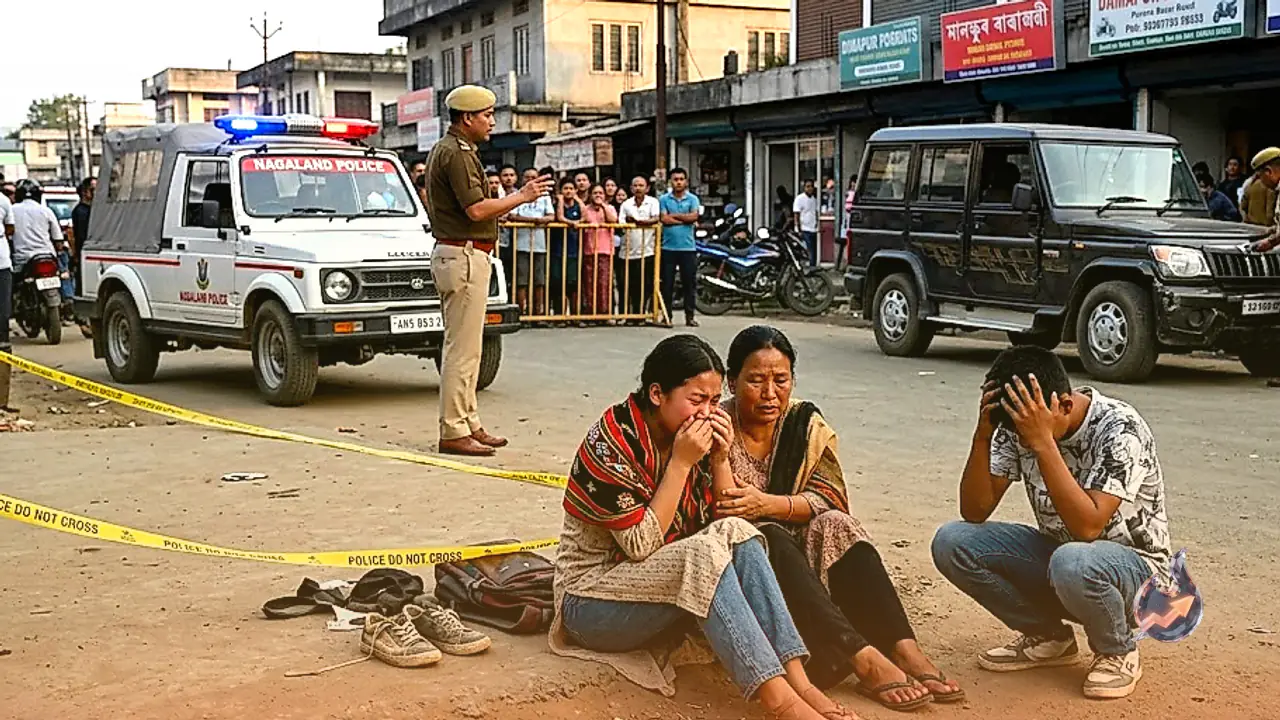
Rio placed two starkly different periods side by side. Between 2021 and 2026, the state logged only eight incidents connected to armed underground outfits, a toll he said left four cadres and civilians dead along with one security personnel. Between 2004 and 2009, by contrast, more than 257 such incidents unfolded, largely fuelled by fighting between rival factions, claiming over 120 lives among cadres and civilians, while six security personnel also lost their lives in that stretch. The gap between the two eras, Rio said, captures how far Nagaland has travelled from a period of sustained unrest to one of relative calm.
Crime Data Backs the Claim
To reinforce his point, Rio turned to National Crime Records Bureau figures for 2024. Nagaland's cognizable crime rate stood at 61.6 cases per lakh population that year, the second lowest among all states and Union Territories, trailing only Dadra and Nagar Haveli. The all-India figure for comparison was 418.8 cases per lakh population, nearly seven times higher. Crimes against women followed the same pattern: Nagaland recorded 5.1 cases per lakh population, well below the national figure of 64.6.
Reading the Numbers
According to Rio, the falling count of underground-linked violence together with the state's comparatively low crime figures point to a steadily improving law-and-order climate, one he argued is now more conducive to sustained development across Nagaland.