





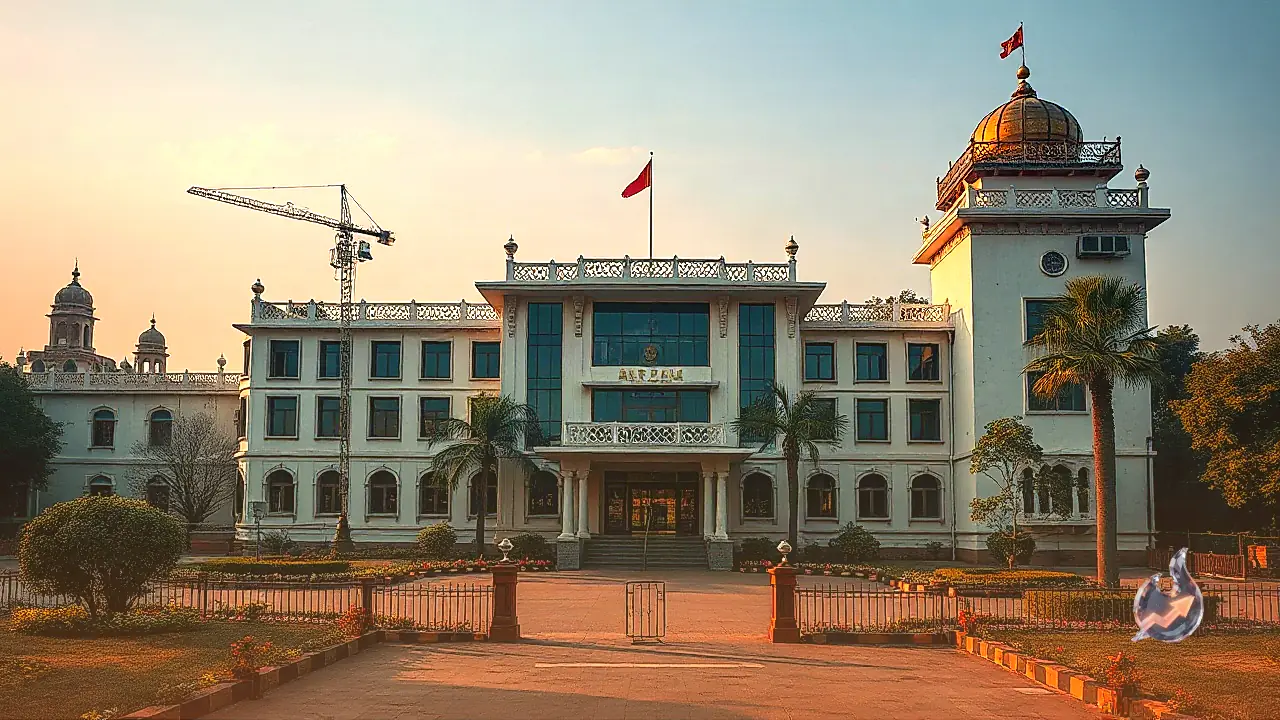


















Nagaland Governor Nand Kishore Yadav chaired a comprehensive review meeting at Lok Bhavan in Kohima on Tuesday to assess the ongoing progress and long-term expansion plans for coffee cultivation across the state. Senior representatives from the Coffee Board of India and the state Department of Land Resources gathered to formulate strategies aimed at enhancing farm productivity and establishing sustainable agricultural livelihoods.
Status of Regional Coffee Cultivation
During the session, the Coffee Board of India delivered an extensive presentation detailing current agricultural metrics and growth trends across Nagaland and the wider North Eastern Region. Discussions highlighted the state's natural advantages in producing specialty and high-grade coffee varieties. Officials emphasized that expanding cultivation can provide local farming communities with reliable economic opportunities while establishing a strong footprint in niche commercial markets.
Growth of Arabica and Robusta Crops
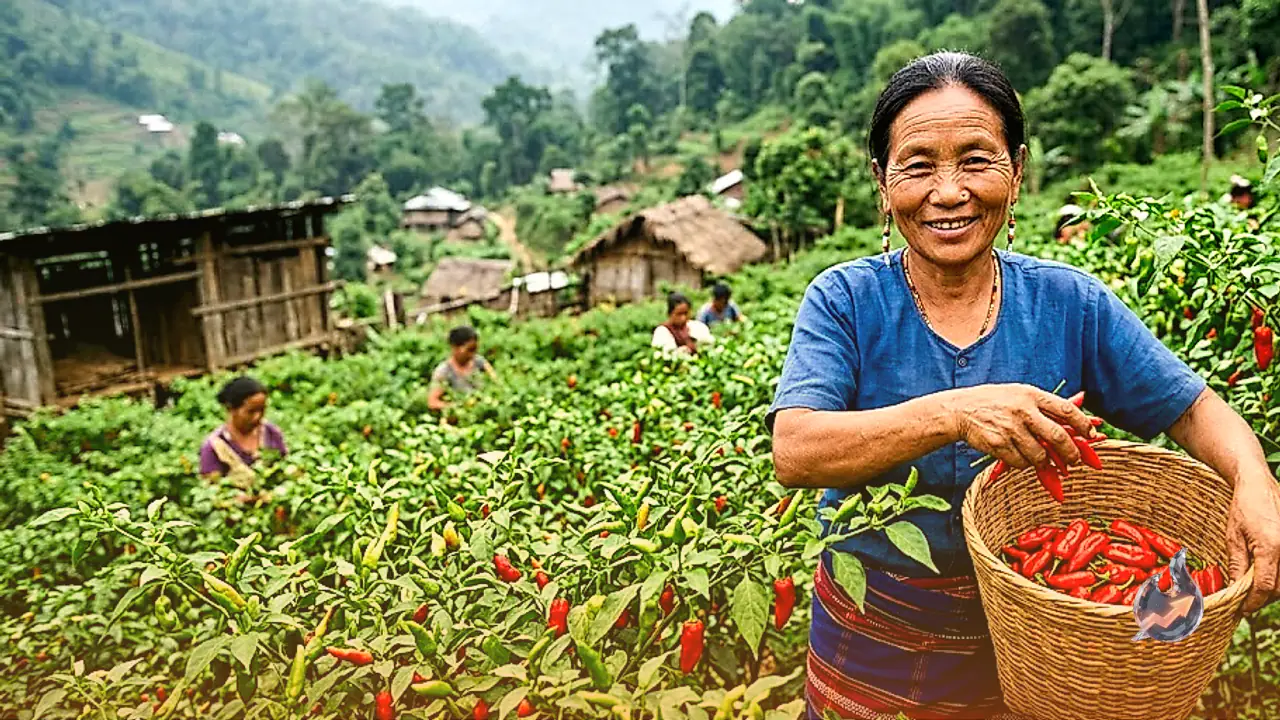
The review established that coffee farming in Nagaland has recorded steady expansion owing to active collaboration between the Coffee Board and the Department of Land Resources. Both Arabica and Robusta varieties are now actively grown across multiple districts. To support local growers, institutional aid has been provided through financial subsidies, dedicated drying yards, modern machinery for mechanisation, and specialized skill-building programs.
Key Sectoral Challenges and Structural Hurdles
Participants also examined the critical operational bottlenecks impeding sector growth. Primary challenges identified include deficient road connectivity, transportation delays, inadequate local processing units, changing climate patterns, fragmented small landholdings, a shortage of trained farm labor, and limited direct access to global export channels. Addressing these infrastructural gaps was highlighted as essential for sustained progress.
Strengthening the Value Chain and Farmer Incomes
Governor Nand Kishore Yadav stressed the necessity of a unified and systematic strategy spanning every stage of the coffee value chain, from initial planting and advanced agricultural techniques to processing, branding, and commercial distribution. He highlighted that driving quality improvements and value addition will directly boost growers' earnings while creating viable avenues for local entrepreneurs and youth. With sustained institutional backing, modernized infrastructure, scientific farming practices, and strategic market linkages, Nagaland can emerge as a prominent national producer of premium coffee.