
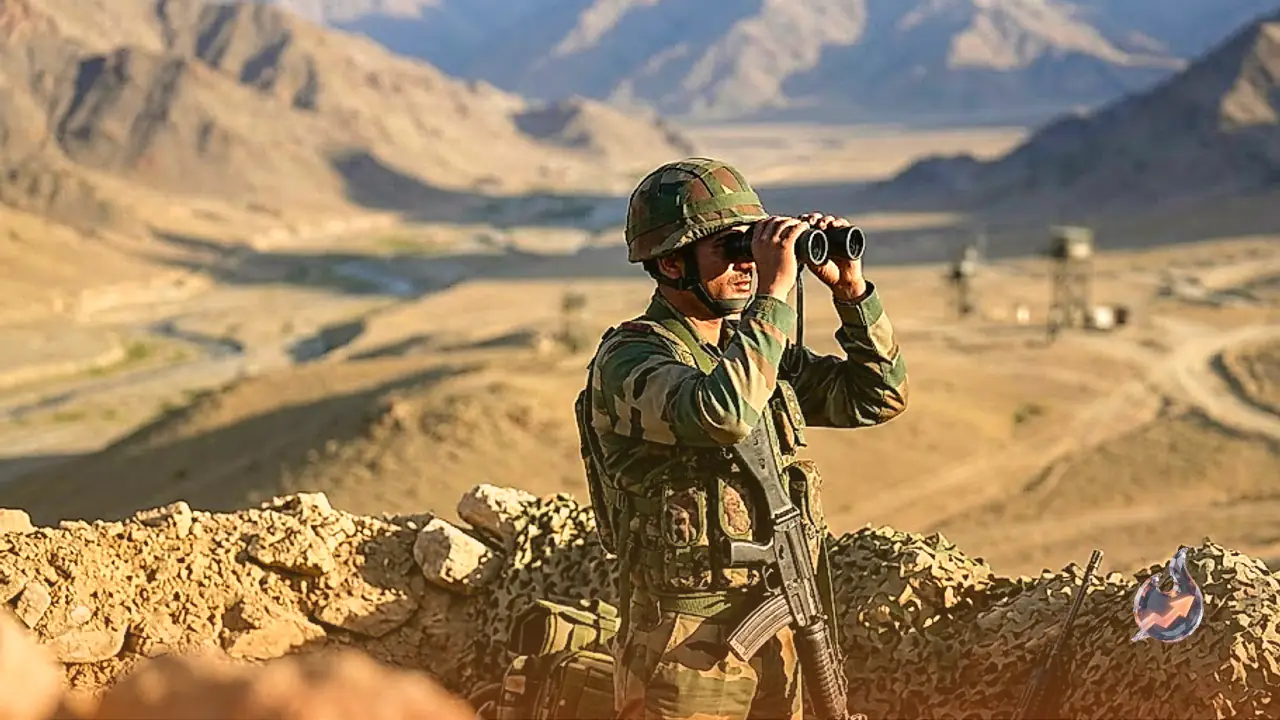




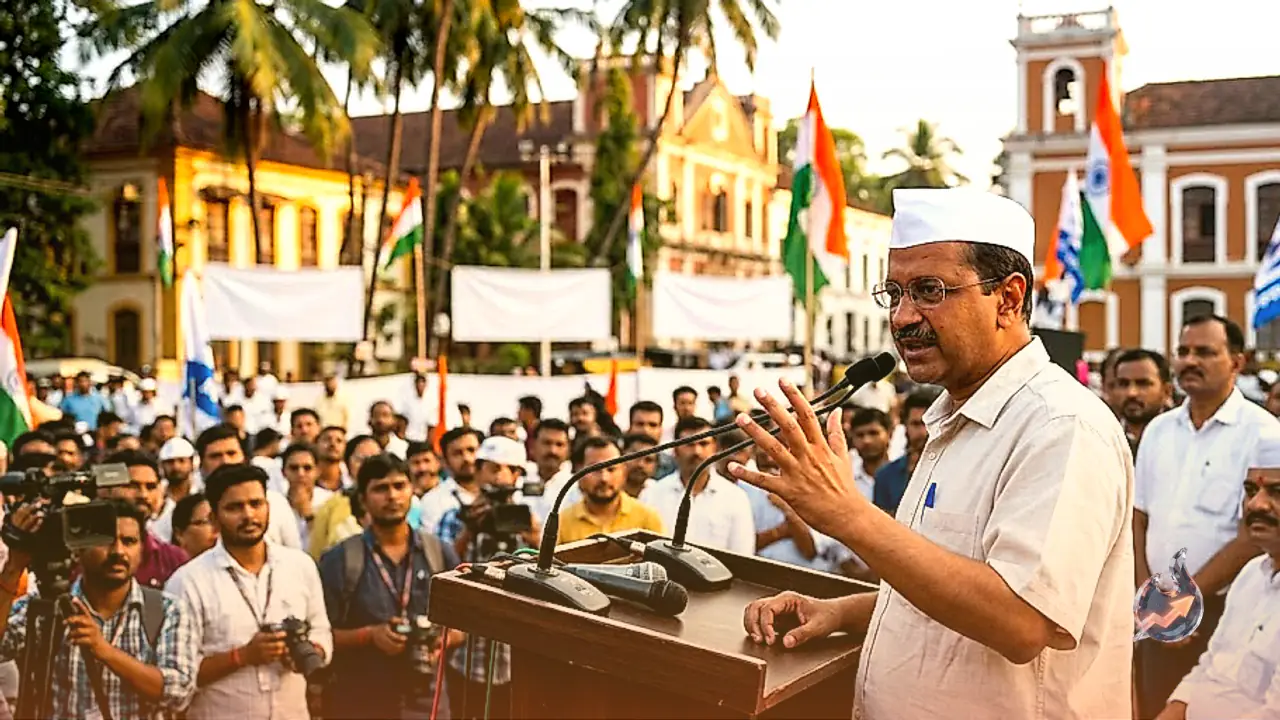















Diplomatic channels between New Delhi and Beijing have intensified significantly amid preparations for Chinese President Xi Jinping's potential participation in the upcoming BRICS summit hosted by India. Marking what could be his first visit to the country after a gap of seven years, India has chosen to firm up its strategic posture regarding the unresolved border conflict. During recent high-level engagements between senior officials of India's Ministry of External Affairs and Chinese delegates, New Delhi delivered a straightforward message: any diplomatic warmth or red carpet reception remains strictly conditional on China addressing three fundamental operational tasks along the Line of Actual Control. India reiterated that boundary tranquility and territorial integrity form the non-negotiable bedrock of bilateral relations.
Tensions and Deliberations at the 36th WMCC Round
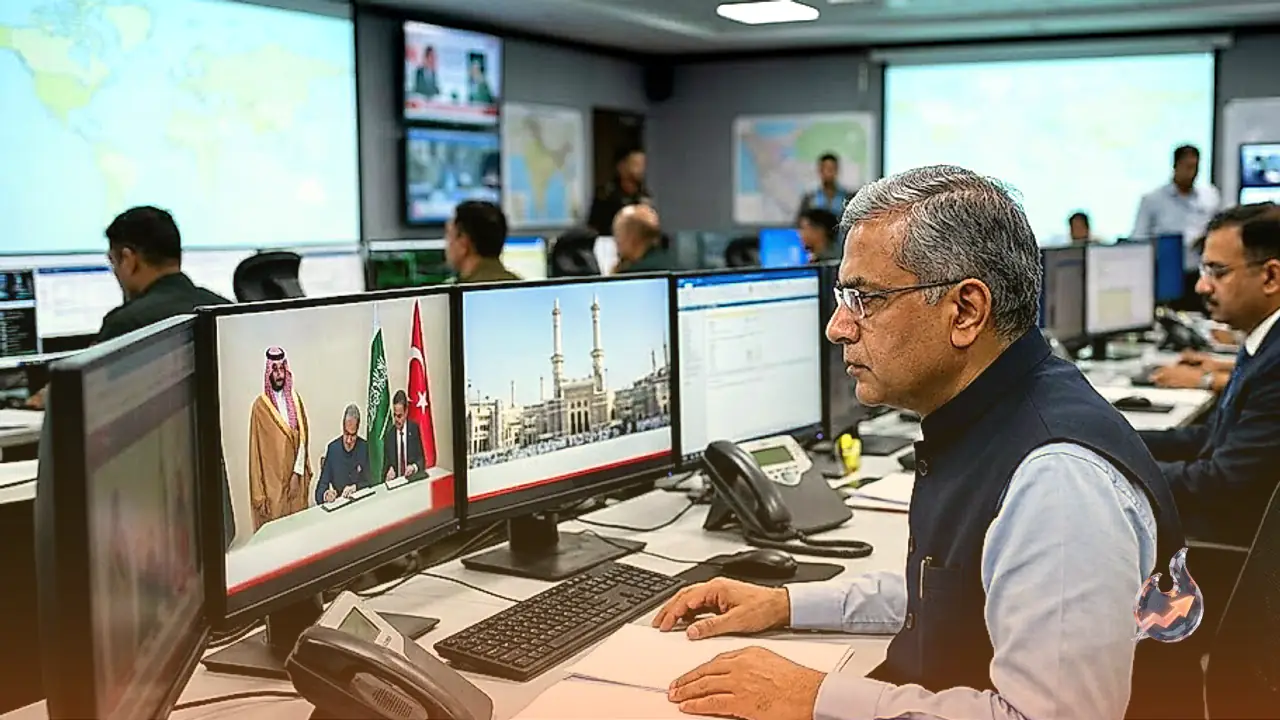
The 36th round of the Working Mechanism for Consultation and Coordination on India-China Border Affairs provided the latest platform for both nations to address lingering frontier disputes. Joint Secretary Sujit Ghosh from the Ministry of External Affairs led the Indian delegation, while Director General How Yunkee of the Chinese Ministry of Foreign Affairs represented Beijing. Primary objectives of this negotiation centered on restoring lasting peace along the LAC, establishing frameworks for border demarcation, and reaching technical consensus on sensitive trans-border river management. Indian representatives emphasized in clear terms that full normalization of diplomatic, commercial, and economic exchanges remains impossible until absolute quiet is guaranteed across all sectors of the border.
The Three Operational Tasks Outlined by India
During the WMCC proceedings, India laid out three explicit requirements designed to protect its national security interests and sovereign boundaries
- Complete Tranquility and Elimination of Provocations along the LAC: Both sides conducted a comprehensive review of frontline deployments. India stressed that maintaining peace along the frontier is the primary precondition for repairing bilateral ties, instructing China to refrain from any unilateral attempts to alter the status quo or engage in operational friction.
- Transparent Hydrological Data Sharing for Trans-Border Rivers: India urged the immediate scheduling of the next Expert-Level Mechanism meeting on trans-border rivers. New Delhi specifically demanded full technical data transparency regarding massive Chinese hydroelectric projects situated upstream on rivers like the Brahmaputra, aimed at mitigating flood risks and water security concerns across Northeast India.
- Uninterrupted Channels to Prevent Operational Miscalculations: Both delegations agreed to maintain continuous use of diplomatic, military, and local commander-level communication channels. Preserving these operational pathways is deemed critical to preventing misunderstandings, tactical errors, or unexpected escalation along the border.
Strategic Roadmap Derived from Doval-Wang Yi Dialogue
The outcomes of the 36th WMCC meeting build directly upon the foundational roadmap devised during the 24th round of Special Representatives talks between National Security Advisor Ajit Doval and Chinese Foreign Minister Wang Yi. Formulated in August 2025, that high-level engagement established a three-tier framework intended to address border management systematically
- Expert Group for Boundary Demarcation: Establishing a specialized team of technical experts tasked with identifying practical methods for demarcating contested border segments.
- Dedicated Working Group for Border Peace: Operating a specialized task force focused on day-to-day border management to eliminate friction and ensure peace along the LAC.
- Expansion of General-Level Military Dialogue: Expanding senior military general-level discussions beyond the Western sector in Ladakh to include the Eastern sector (Arunachal Pradesh and Sikkim) as well as the Middle sector (Uttarakhand and Himachal Pradesh).
Post-2020 Galwan Clash Dynamics and Current Realities
Bilateral relations plunged to their lowest point since the 1962 war following the violent confrontation in the Galwan Valley in June 2020. The clash resulted in the martyrdom of 20 Indian soldiers, triggering years of heavy troop deployments and heightened military readiness across Eastern Ladakh. Following extended rounds of negotiations, India and China reached an agreement in October 2024 to disengage troops from disputed friction points in Ladakh.
This disengagement consensus enabled a historic bilateral meeting between Prime Minister Narendra Modi and Chinese President Xi Jinping on the sidelines of the BRICS summit in Russia. While that meeting re-established official and political dialogue, structural causes of friction along the Line of Actual Control remain largely unaddressed on the ground.
Core Drivers of Distrust and Expert Assessment
Despite ongoing diplomatic exchanges, deep-seated strategic distrust persists between both nations. India's firm posture stems primarily from two major actions by Beijing
- Strategic and Military Assistance to Pakistan: China continues to provide military equipment and intelligence support to Pakistan. Security evaluations note that China shared real-time intelligence with Pakistani entities during India's Operation Sindoor.
- Illegal Occupation of Indian Territory: China maintains an illegal occupation over more than 43,000 square kilometers of Indian territory in Aksai Chin, while continuing to challenge Indian sovereignty over Ladakh and Arunachal Pradesh.
Analyzing these dynamics, China affairs expert Anushka Saxena observed that resolving the LAC standoff cannot be achieved through short-term negotiations, describing it as a prolonged marathon. According to Anushka Saxena, Beijing utilizes the border dispute as strategic leverage to maintain continuous pressure on India.