






















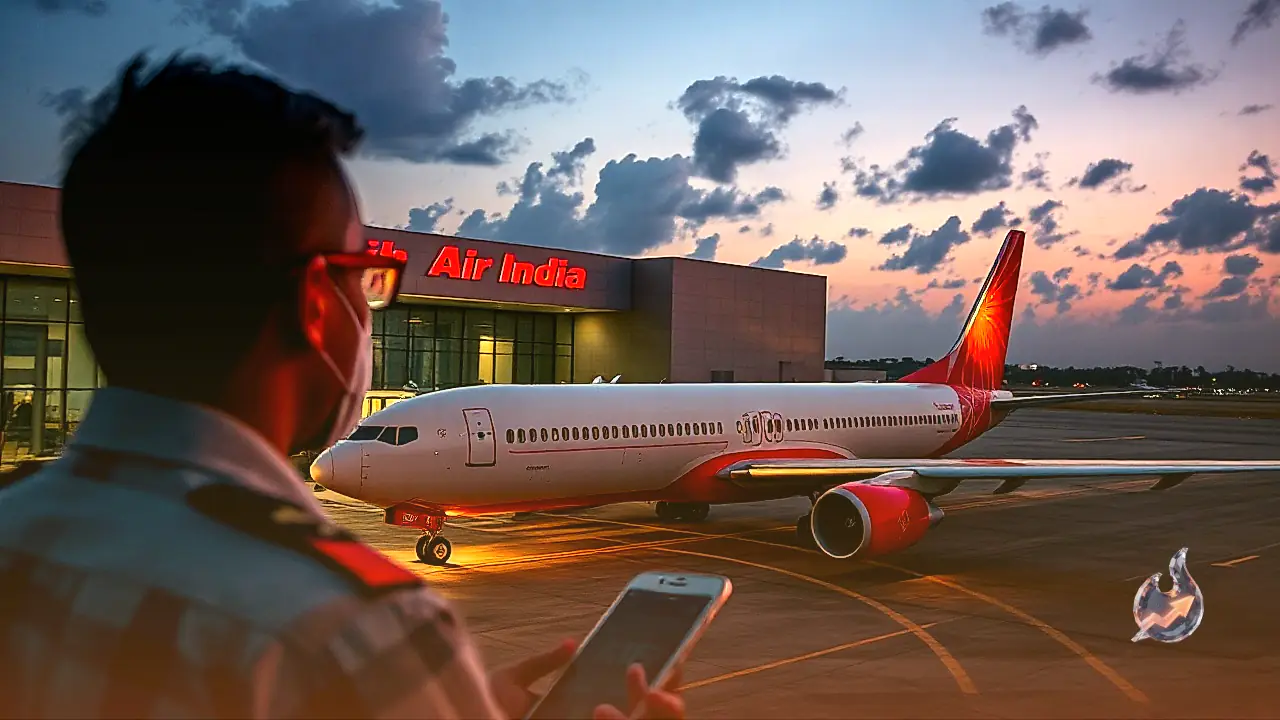

In a major effort to reinforce aviation safety and operational standards, Air India and its low-cost subsidiary Air India Express have mandated comprehensive psychoactive substance testing for their entire pilot workforce. The management decision requires more than 5,000 pilots across both carriers to undergo mandatory drug screening. This stringent action follows a disturbing incident on a flight from Phuket to Delhi, where an aircraft experienced a sudden loss of altitude mid-flight and the captain subsequently tested positive for marijuana. By covering the entire pilot pool, the airlines are moving far beyond the baseline safety mandates set by aviation regulators.
Mandatory Testing Protocols and Designated Locations
An internal communication was distributed to all flight crew members across Air India and Air India Express detailing the rollout of the new screening procedure. According to the internal directive, every pilot on the roster must complete the psychoactive substance test. The screening panel targets illegal narcotics as well as specified prescription drugs and controlled substances whose usage is restricted or prohibited under civil aviation regulations during active duty.
To facilitate the process for the workforce, the airline has established multiple testing venues. Pilot evaluations will take place during routine training sessions at Air India's main academy in Gurugram. Additionally, testing facilities have been arranged at post-flight briefing centers, administrative offices, and designated home base locations across the network, ensuring seamless compliance across shifts.
Surpassing Standard Regulatory Requirements
Under current regulations established by India's Directorate General of Civil Aviation, airlines are required to conduct random psychoactive substance tests on a minimum of 10 percent of their flight crew each year. Air India has opted to bypass this partial sampling approach in favor of a universal screening model. By evaluating 100 percent of its 5,000 plus pilots, the carrier aims to create an uncompromising safety net that eliminates potential risks linked to substance use among cockpit personnel.
The Incident on the Phuket-Delhi Route
The mandatory screening directive was triggered by an in-flight emergency on August 4 involving Air India Flight AI2379. Operating on an Airbus A320neo aircraft from Phuket to Delhi, the plane encountered severe turbulence while cruising, resulting in an abrupt drop of approximately 300 feet, equivalent to 91 meters. The aircraft was carrying 145 individuals, comprising 137 passengers and 8 crew members. The sudden loss of altitude caused widespread disruption in the cabin, leaving at least 24 people injured.
Pilot Tests Positive for Marijuana
Following the flight's arrival in Delhi, the pilot-in-command was subjected to standard post-incident psychoactive substance testing as part of official inquiry procedures. The preliminary screening returned a positive result for banned substances. A subsequent laboratory confirmatory test confirmed the presence of marijuana in the pilot's system. A formal investigation into the pilot's actions and the flight events remains active, sparking wider discussions regarding pilot health standards and regulatory enforcement.
Reinforcing Passenger Safety and Operational Integrity
This systemic testing initiative highlights Air India's heightened focus on operational risk management and passenger trust. By instituting mandatory checks across all pilot ranks, the airline seeks to guarantee that no active flight crew member operates an aircraft under the influence of mind-altering substances. Management emphasized that maintaining a zero-tolerance policy is fundamental to upholding passenger safety across its international and domestic flight network.