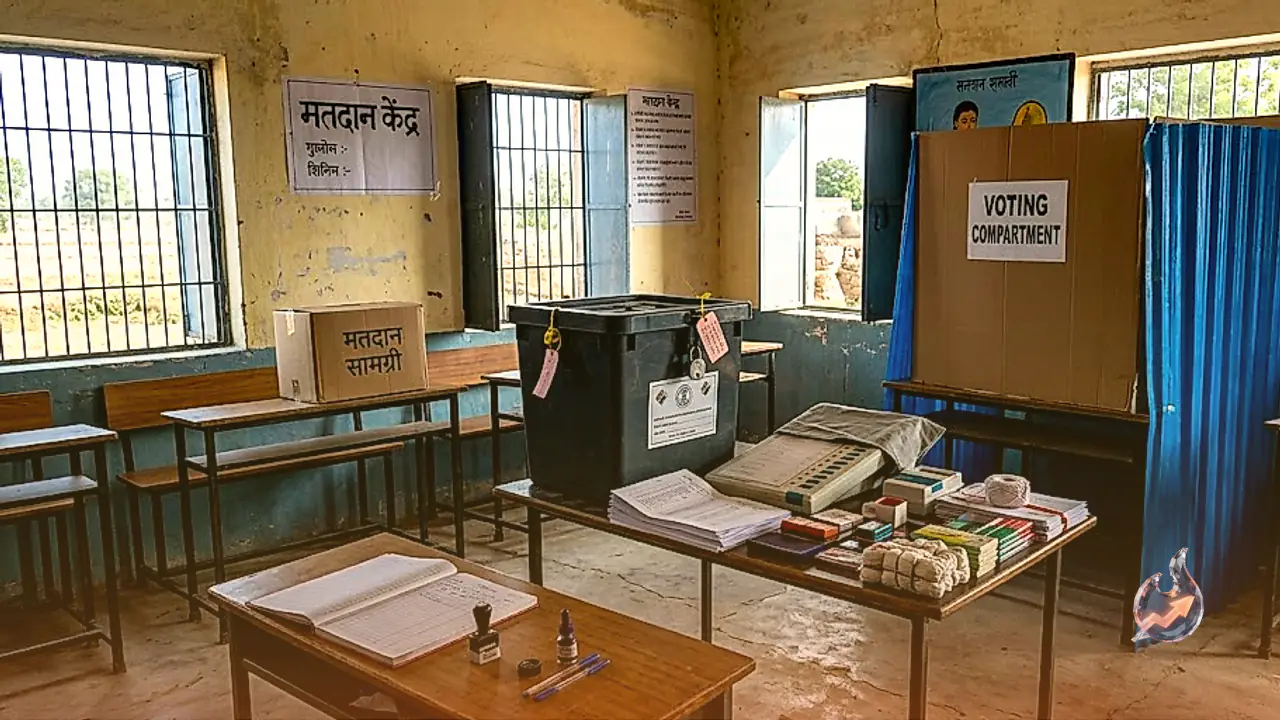





















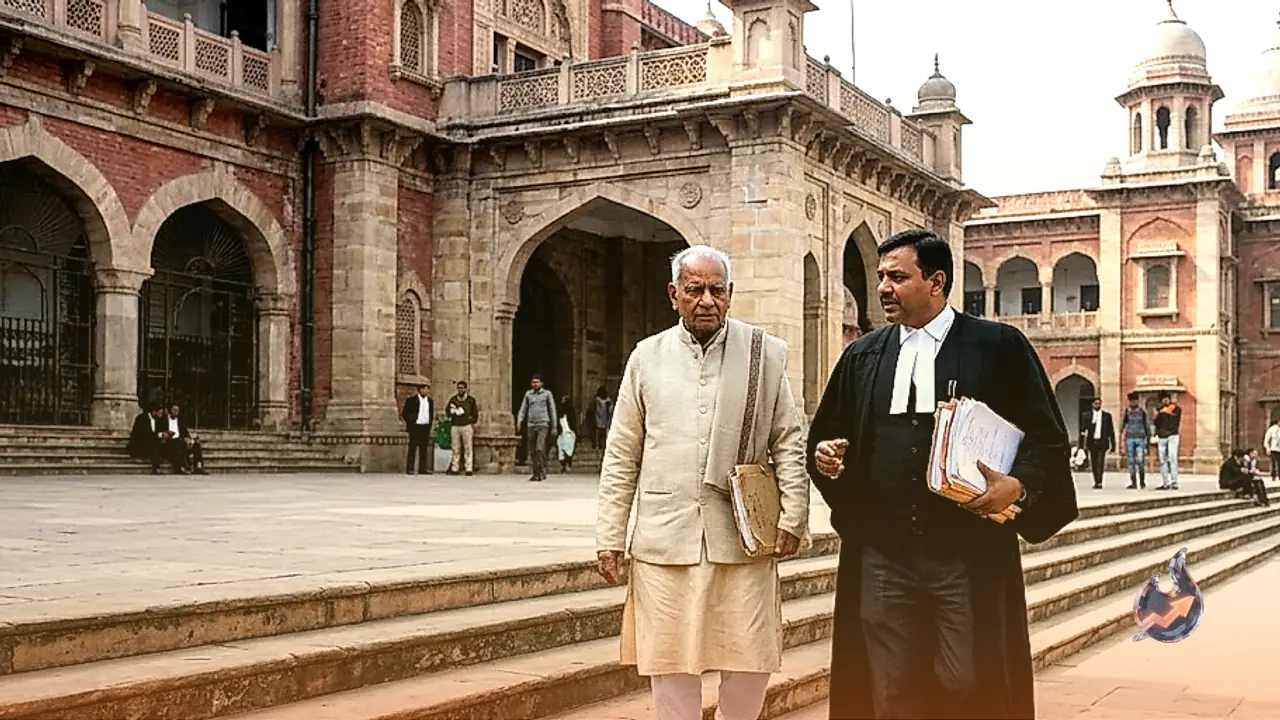

Allahabad High Court recently upheld a single judge order, dismissing a petition that sought a 1 percent reservation or special quota for eligible senior citizens seeking admission to MBBS and other medical courses through NEET. A bench comprising Justice Rajan Roy and Justice Manjiv Shukla disposed of the special appeal filed by Ashok Bahar, observing that any proposed reservation must be deliberated upon by the concerned legislature or the respective government.
No Existing Provision for the Proposed Reservation
The bench stated that there is currently no provision for the proposed reservation and the petitioner representation did not contain any enforceable right that would necessitate the issuance of a writ of mandamus. The court noted that the representation seeking reservation for eligible senior citizens in admissions to MBBS and other medical courses was not founded on any such legal right.
Ashok Bahar Moved Court Seeking Policy Decision
According to the petition, Ashok Bahar approached the high court requesting directions to authorities to consider his representation and take an appropriate policy decision regarding 1 percent reservation or a special quota for eligible senior citizens taking NEET for MBBS and allied medical courses. He also sought directions for authorities to decide on his pending representation dated June 23, 2026, by passing a reasoned and speaking order within a stipulated timeframe.
The single judge had earlier dismissed the writ petition on the grounds that the matter pertained to policy and declined to issue the writ of mandamus requested by the petitioner. Challenging that order, Bahar filed the present intra-court appeal before the division bench.
NTA Operates Solely as an Examining Body
Counsel for the National Testing Agency submitted before the division bench that the NTA functions merely as an examining body and operates in accordance with existing laws and policies governing admissions to MBBS courses. The bench was informed that as of now, no such provision as demanded by the appellant exists and the matter falls within the domain of the relevant legislature or government. The bench further added in its order that the petitioner representation was not a legal representation but was rather crafted to meet the prerequisites for maintaining a writ petition seeking mandamus.
The bench observed that the appellant is at liberty to take up the matter before the executive or the legislature, as the case may be, but given the facts and circumstances of the case, the question of issuing a mandamus does not arise.
The court also reiterated that whether age limits for admission to these courses should be prescribed by the executive or legislature is for them to decide unless already regulated. Finding no infirmity in the decision of the single judge, the division bench dismissed the appeal.