




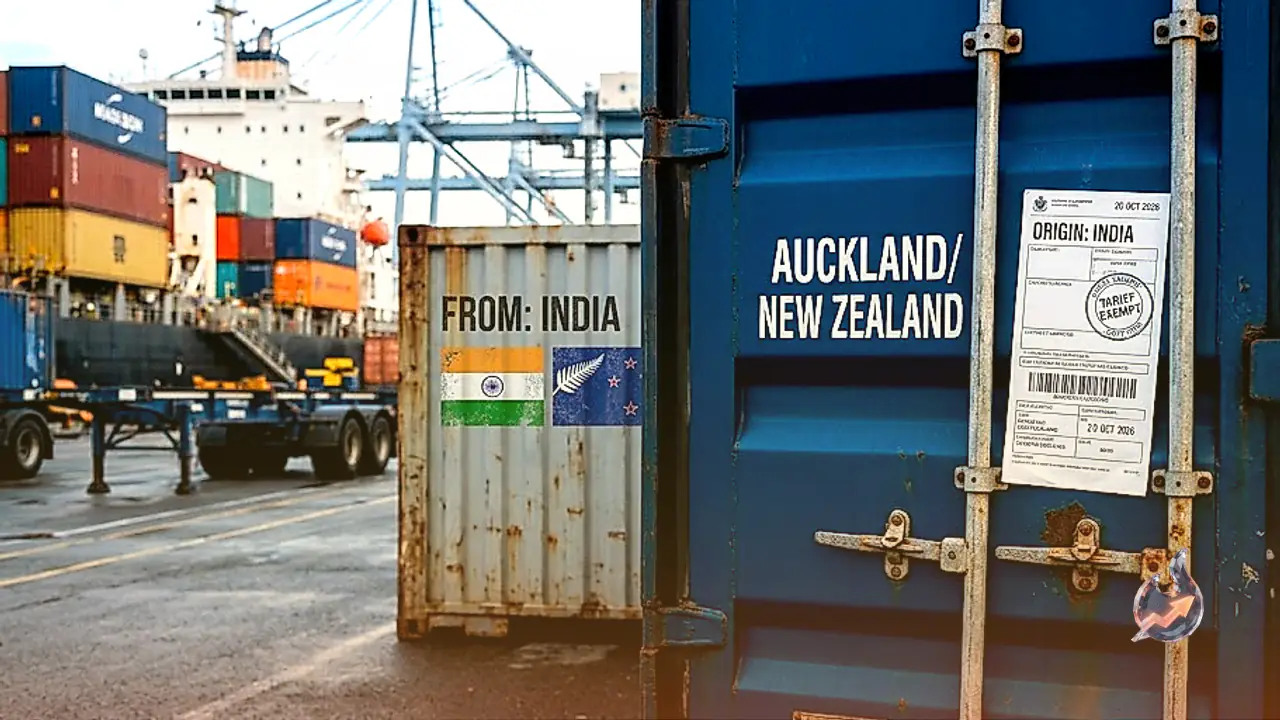















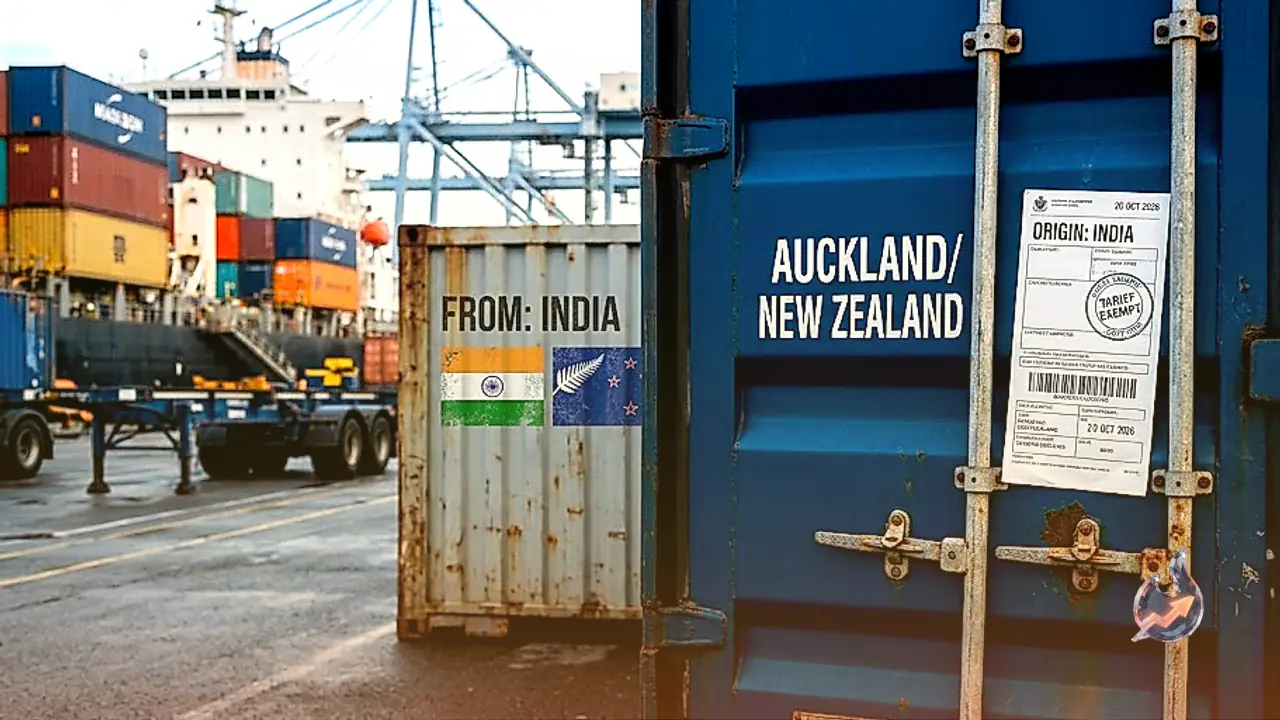

A transformative chapter in bilateral commerce begins as the comprehensive Free Trade Agreement between India and New Zealand officially comes into force at 12:01 AM on October 20. Under the operational terms of this landmark trade accord, New Zealand will extend complete customs duty waivers across nearly 100 percent of Indian export items. The zero-tariff market access is poised to deliver a major competitive edge to domestic exporters, particularly those operating in labour-intensive manufacturing sectors across the country.
Fifteen-Year Economic Roadmap and Massive Capital Commitments
Union Minister of Commerce and Industry Piyush Goyal announced the rollout of the agreement, which was formally signed by the two countries on April 27. The pact establishes a structured framework designed to facilitate approximately $20 billion in direct foreign investment into the Indian economy over the next 15 years. This sustained inflow of capital is anticipated to foster technological upgrades, support infrastructure development, and expand domestic manufacturing capacities across multiple industries.
To commemorate the operational launch of the trade treaty, the Commerce Minister flagged off the inaugural commercial export shipment of small excavators manufactured by JCB India, bound for New Zealand. While speaking at the event, Goyal highlighted that JCB India currently ships roughly 25 percent of its aggregate domestic manufacturing output to foreign markets. Challenging the heavy machinery manufacturer to raise its export volume to 50 percent of total production, the minister noted that New Zealand has now emerged as the company's 140th overseas export market.
Sectors Positioned for Significant Growth
The duty elimination structure covers an extensive assortment of Indian consumer and industrial commodities. Domestic producers in the apparel, textiles, footwear, and leather sectors will receive immediate zero-tariff entry into New Zealand. In parallel, Indian manufacturers supplying engineering components, pharmaceuticals, marine seafood, rubber goods, and plastic items stand to substantially improve their price competitiveness and expand their retail footprints across the island nation.
In the agricultural domain, the agreement paves the way for duty-free access for Indian tea, coffee, cocoa, spices, cereals, processed foods, fruits, and vegetables. Furthermore, the economic pact institutionalises an agricultural productivity partnership. This arrangement allows Indian agribusinesses to integrate New Zealand's cutting-edge agricultural technologies and operational know-how to scale up output and address growing food processing demands.
Protection for Sensitive Agricultural Categories
To defend domestic livelihoods and prevent market disruption, Indian trade negotiators retained complete tariff shields around vulnerable domestic commodities. Critical agricultural items including dairy products, onions, chickpeas, peas, maize, almonds, sugar, artificial honey, animal fats, and edible oils have been firmly excluded from any customs reductions. This ensures comprehensive safeguards for local dairy farmers and agricultural producers against cheaper foreign imports.
Conversely, New Zealand secures access to a rapidly expanding consumer base of 1.4 billion people in India, albeit under measured regulatory boundaries. While Wellington has granted concessions across 100 percent of its tariff lines for Indian shipments, New Delhi has opened approximately 70 percent of its tariff lines to New Zealand. To mitigate domestic disruption, specific agricultural imports such as kiwifruit, apples, mānuka honey, and albumin are governed by strict tariff-rate quotas alongside minimum import price safeguards.
Service Expansion and Professional Mobility
Beyond physical commodities, the economic partnership delivers substantial benefits for professional services, corporate mobility, and academic exchange. New Zealand has formally committed to opening 118 distinct service sectors and sub-sectors to Indian professionals and enterprises. This broad market access covers critical disciplines such as information technology, financial services, engineering, telecommunications, commercial construction, corporate consultancy, higher education, and hospitality.
Emphasising the transformative scope of the accord, New Zealand Minister for Trade and Investment Todd McClay stated that the treaty provides massive long-term commercial avenues for exporters in critical sectors. McClay observed that once the pact is fully operationalised across all stages, approximately 95 percent of New Zealand's existing export volume to India will benefit directly from zero tariffs or substantial duty reductions, laying a resilient foundation for bilateral economic prosperity.