


















Electoral dynamics across Andhra Pradesh have taken an assertive turn ahead of upcoming local body polls. With legal avenues currently blocking administrative reinstatement of an expanded reservation quota, the ruling Telugu Desam Party has shifted its focus directly onto organizational ticket allocation. Chief Minister N Chandrababu Naidu announced that TDP will field Backward Classes candidates across more than 34 percent of contested seats in the impending civic elections, transforming a stalled statutory initiative into a direct party mandate.
Declaration at Kondepi Village Meeting
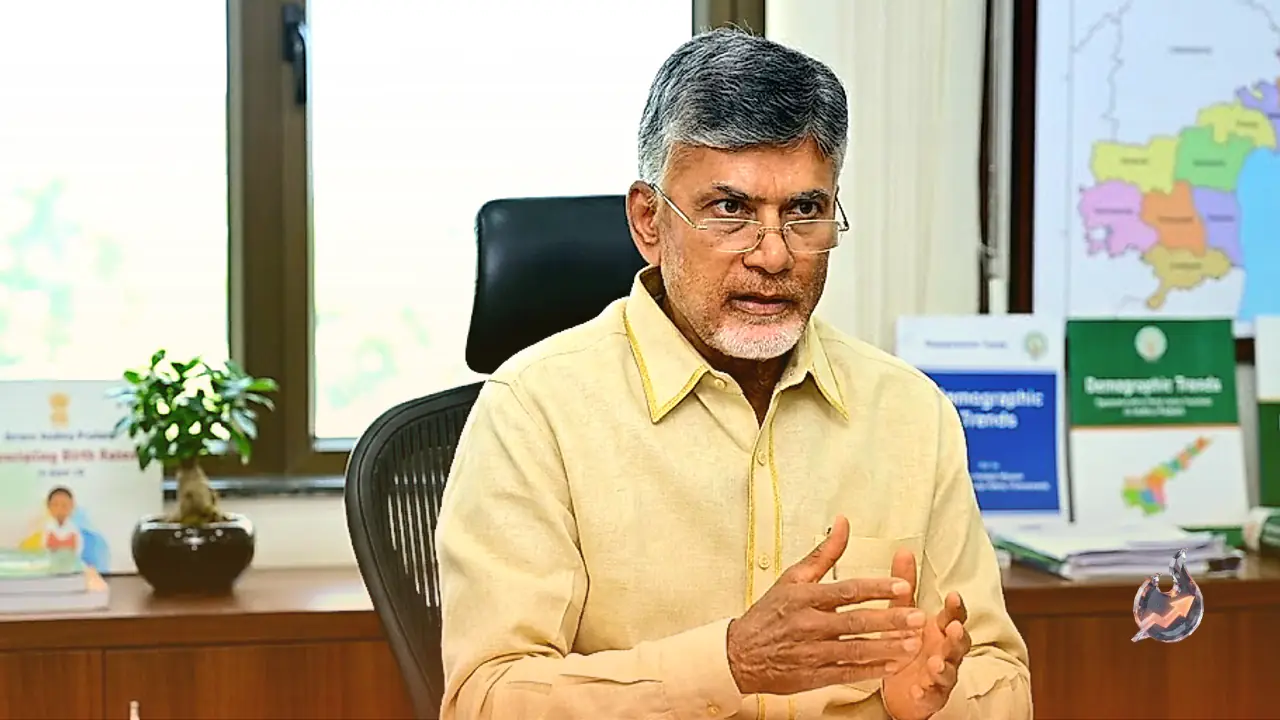
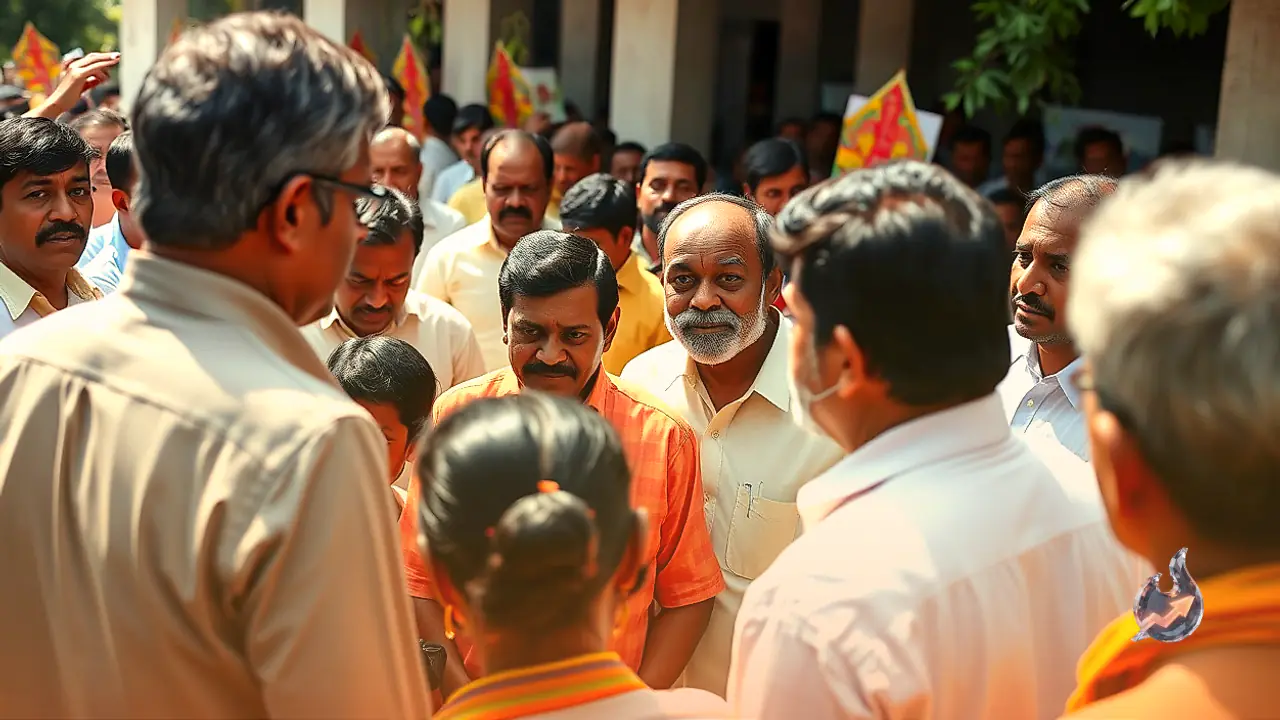
Addressing the 'Mee Bhoomi - Mee Hakku' village level conference in Kondepi, located in Prakasam district, Chief Minister N Chandrababu Naidu unveiled the party's electoral framework. He affirmed that TDP candidates representing Backward Classes will receive over 34 percent of nomination tickets in the upcoming local body elections. Naidu noted that championing the progression of backward communities remains an institutional duty for the administration.
During his address, the Chief Minister pointed out that TDP has maintained a four-and-a-half-decade relationship with backward communities, relying closely on their backing for 45 years. According to Naidu, the organization has consistently designed strategies to enhance social and political participation for these sections. He simultaneously targeted the opposition YSRCP, accusing them of undermining initiatives aimed at empowering Backward Classes politically.
The Longstanding Conflict Over Reservation Margins
Quotas for backward communities in grassroots governance have generated prolonged debate within the state. Naidu cited party founder and former Chief Minister NT Rama Rao, remarking that Rama Rao initially established a 24 percent reservation quota for Backward Classes in local bodies. Naidu stated that his subsequent leadership elevated this allocation to 34 percent.
Leveling criticism at the previous YSRCP government, Naidu alleged that their tenure witnessed a rollback of this reservation threshold back to 24 percent. The Chief Minister asserted that this lowering restricted approximately 16,800 individuals from securing local leadership roles, though this precise tally represents an unverified political claim made by Naidu rather than an independently audited statistic. In August 2026, the current state administration published fresh orders to reinstall the 34 percent reservation across both rural and urban local tiers, aiming to enhance community participation in governance.
High Court Invalidation and the 50 Percent Ceiling
The state's executive decrees faced immediate legal opposition. Challengers questioned whether an administration could expand quotas without adequate demographic and empirical research. The challenge also centered on whether total reservations across Scheduled Castes, Scheduled Tribes, and Backward Classes breached the mandatory 50 percent constitutional cap affirmed by judicial precedents.
On October 1, 2026, the Andhra Pradesh High Court struck down the executive notifications implementing the 34 percent Backward Classes quota. The court found that the government failed to substantiate the expansion with adequate empirical evidence. It emphasized that population proportions alone cannot legally validate an extension beyond the 50 percent upper ceiling without rigorous, verified metrics. Alongside the ruling, the High Court instructed the state administration and the State Election Commission to initiate election procedures promptly, directing that efforts be made to commence the poll process within six weeks.
Supreme Court Rejects State Appeal
Seeking to salvage the policy, the state government moved the apex court. On October 9, 2026, a Supreme Court bench comprising Justice Dipankar Datta and Justice Satish Chandra Sharma or Justice Sheel Nagu reviewed the petition challenging the High Court judgment. The bench led by Justice Dipankar Datta and Justice Sheel Nagu heard arguments from government counsel asserting that empirical and demographic materials backed the 34 percent benchmark.
The Supreme Court declined to overturn the High Court ruling, dismissing the state's plea after finding no adequate grounds to disturb the lower court's analysis regarding insufficient data. This outcome leaves the August 2026 government orders defunct, requiring civic polls to conform to preexisting statutory limits. Consequently, Naidu's commitment to field BC candidates across 34 percent or more of party tickets serves as an internal electoral workaround.
Voter Revision Timelines and Poll Preparations
Beyond quota limits, scheduling questions have surfaced around the ongoing Special Intensive Revision (SIR) of electoral rolls. With voter registration updates underway, authorities faced questions regarding whether civic elections should pause until final revised voter rolls are published. On October 9, 2026, the judicial proceedings clarified operational parameters around maintaining timely electoral schedules alongside compliance with binding legal frameworks.