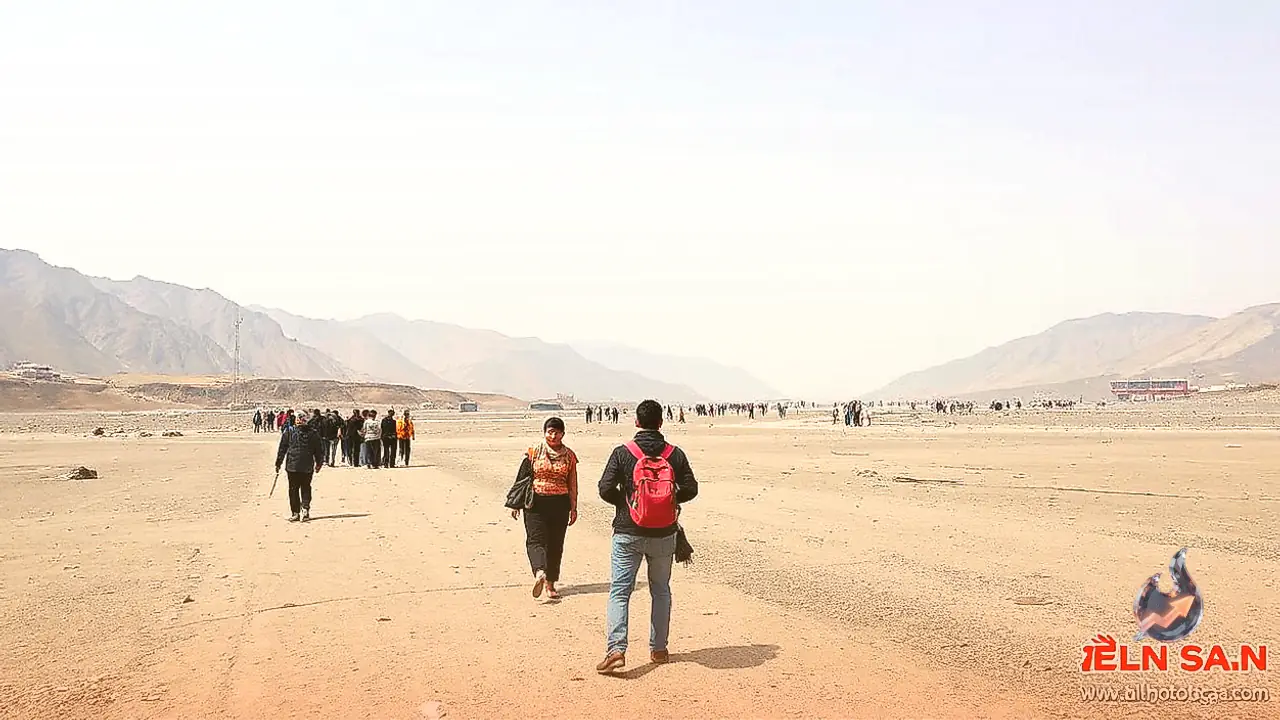
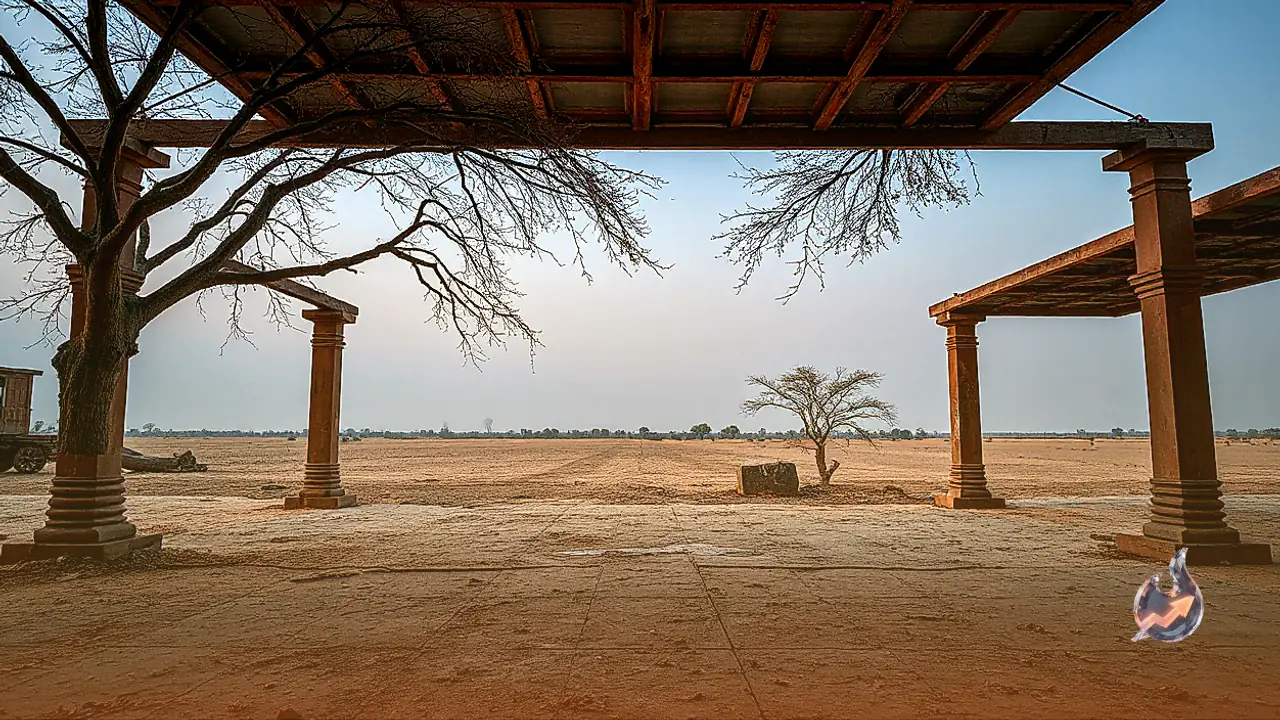

















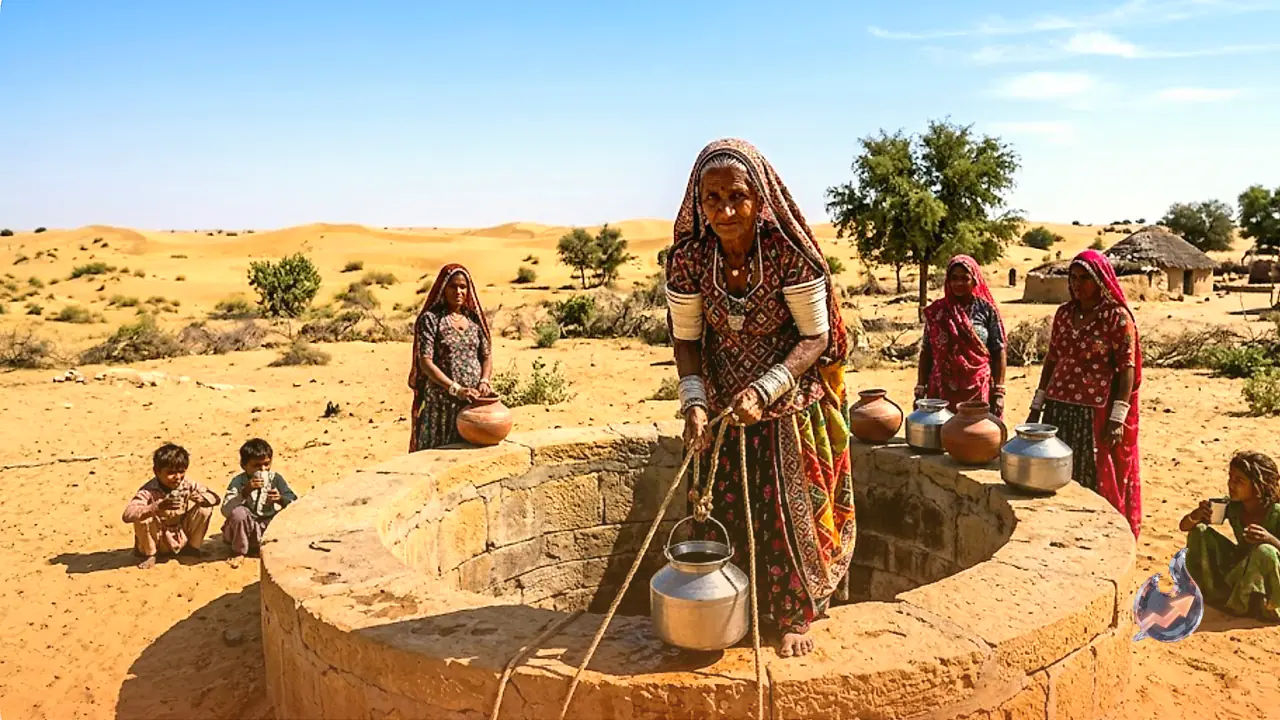

In the Thar desert of Barmer, where the eye meets nothing but rolling sand dunes and the summer mercury climbs past 50 degrees Celsius, a treasure of water hidden beneath that scorching ground still keeps thousands of throats from going dry. Along the villages hugging the India-Pakistan border, a centuries-old water system called 'beris' continues to serve as the real lifeline for local people.
In the desert, water has always been valued more than gold. That is exactly why many villages and hamlets of Barmer still depend on beris for their drinking water. A beri is in fact a remarkable traditional technique for storing water in the desert. Rainwater slowly seeps through the sand and collects deep inside the earth, and beris are dug to reach that stored water. What makes them special is that the sand here works like a natural filter, keeping the water clean and sweet.
Trusted even as times change
Pipelines and tankers may now reach many areas, but in the hamlets along the frontier and in remote villages, beris are still considered the most reliable source of water. They are a blessing not only for humans but also for livestock and wildlife. In the punishing heat, cows, sheep, goats, camels and other animals all drink from these very beris.
Still the mainstay of life in these areas
The border and desert stretches of Barmer still hold a large number of beris. Villagers in Gadraroad, Khalife ki Bawdi, Tamlor, Hamirani, Sargila, Abhe ka Par, Sajjan ka Par, Panela, Bakhasar and several hamlets along the frontier continue to rely on these beris for their drinking water.
'Once, life revolved entirely around them'
Yakub, a resident of Hamirani, recalls a time when there was neither a canal nor a pipeline, and all of life moved around these beris. Times changed and water supply schemes eventually reached the villages, yet in many hamlets and border areas beris remain the most dependable source of water. According to Yakub, the thirst of dozens of villages around Hamirani was once quenched by these very beris. Even today, many families travel several kilometres each day to fill water from beris located far away.