























The central government is preparing to introduce the Foreign Contribution (Regulation) Amendment Bill, 2026, in the Lok Sabha during the upcoming parliamentary session. However, the proposed legislation has sparked significant apprehension among various church groups and Christian organisations across India. Opponents argue that the new regulatory measures could impact their administrative autonomy and social welfare initiatives. Conversely, the Union Ministry of Home Affairs maintains that the statutory changes aim purely at strengthening national security, financial transparency, and institutional accountability regarding foreign monetary inflows into non-governmental sectors.
Key Concerns Over Designated Authority and Asset Management
The primary point of contention for Christian organisations centres on a specific clause in the bill that empowers the central government to appoint a designated authority. Under the proposed provisions, if an entity's FCRA registration is cancelled, surrendered, or fails to be renewed, this appointed authority will have the legal power to assume full management of the organisation. Furthermore, the designated authority would take custody of all physical and financial assets created using foreign contributions over the entity's operational history.
Across the country, numerous Christian institutions manage a vast network of humanitarian services, including primary and secondary schools, charitable hospitals, orphanages, care homes, and community centers. A substantial portion of these social service operations relies heavily on international developmental assistance and charitable donations. Representatives of these bodies contend that if the amendment is enacted into law, public services provided to vulnerable populations could face immediate disruption, directly impairing welfare programs that assist local communities.
Objections from Religious Bodies and Demands for JPC Review
Expressing deep concern over the asset acquisition powers, the Catholic Bishops' Conference of India highlighted that the proposed legislation allows the state to exercise permanent control over institutional infrastructure. The organisation pointed out that government authorities could potentially transfer or liquidate assets that were built incrementally over decades through a combination of foreign donations and domestic contributions. This prospect has raised serious alarms regarding the protection of private and community-funded institutional property.
Adding to these concerns, the Kerala Latin Catholic Association stated that the legislative amendments were drafted without conducting adequate prior consultations with key stakeholders in the social sector. The association noted that introducing such sweeping statutory changes without dialogue creates an atmosphere of legislative uncertainty for charitable organisations that have maintained lawful, peaceful, and transparent operations over long periods.
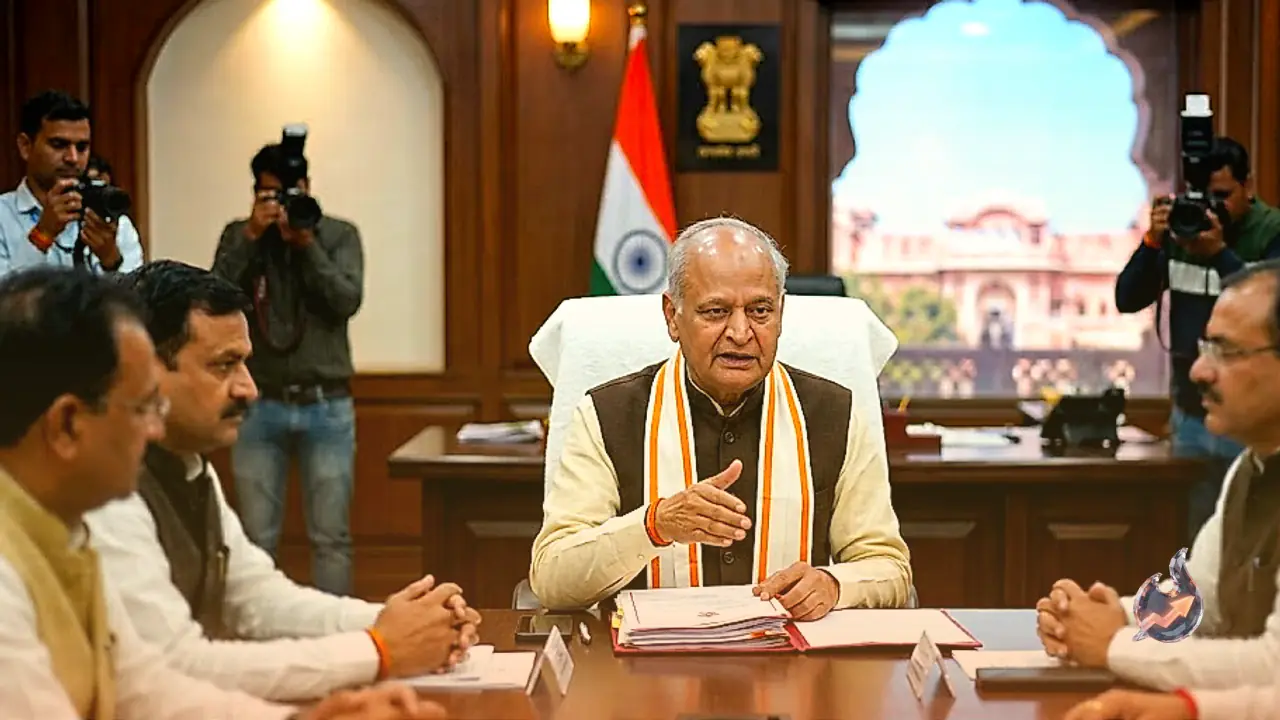
In response to these developments, a delegation of Christian community leaders held a formal meeting with the Union Home Minister to express their grievances directly. The representatives urged the government to either withdraw the Foreign Contribution (Regulation) Amendment Bill, 2026, or refer the text to a Joint Parliamentary Committee for comprehensive scrutiny and multi-stakeholder consultations. During the interaction, the Home Minister gave a patient hearing to the delegation, assuring them that their specific concerns would be thoroughly reviewed and discussed among fellow cabinet members and government officials.
Government Stance and Statutory Safeguards for Religious Places
Clarifying its position, the Ministry of Home Affairs emphasized that the proposed amendment does not target any specific religion, community, or non-profit sector. Official sources state that the bill represents a uniform national security law designed to monitor foreign monetary flows effectively and eliminate potential financial irregularities. Government officials affirmed that religious and social organisations operating in strict compliance with statutory regulations have no reason for concern and will remain free to continue their charitable and educational activities without hindrance.
To address fears regarding the seizure of places of worship, the draft legislation includes an explicit statutory safeguard. The bill explicitly stipulates that if any property seized or managed by the designated authority functions as a place of religious worship, the authority is legally obligated to maintain and preserve its distinct religious character and sanctity without alteration.
In addition to governance provisions, the amendment proposes a significant modification to penalty structures. Under the current legal framework, statutory violations carry a maximum penalty of five years of imprisonment. The 2026 amendment proposes to reduce the maximum prison sentence for non-compliance from five years down to one year, shifting focus toward proportionate penal measures.
International Reactions and Official FCRA Statistics
The proposed legislative changes have also drawn attention internationally, with select lawmakers in the United States voicing reservations. US Representative Riley Moore claimed that the amendment equips the Indian government with mechanisms to take control of churches and religious institutions, describing the move as an explicit action against Christian bodies. Moore further remarked that such policy shifts could potentially influence diplomatic and bilateral relations between India and the United States.
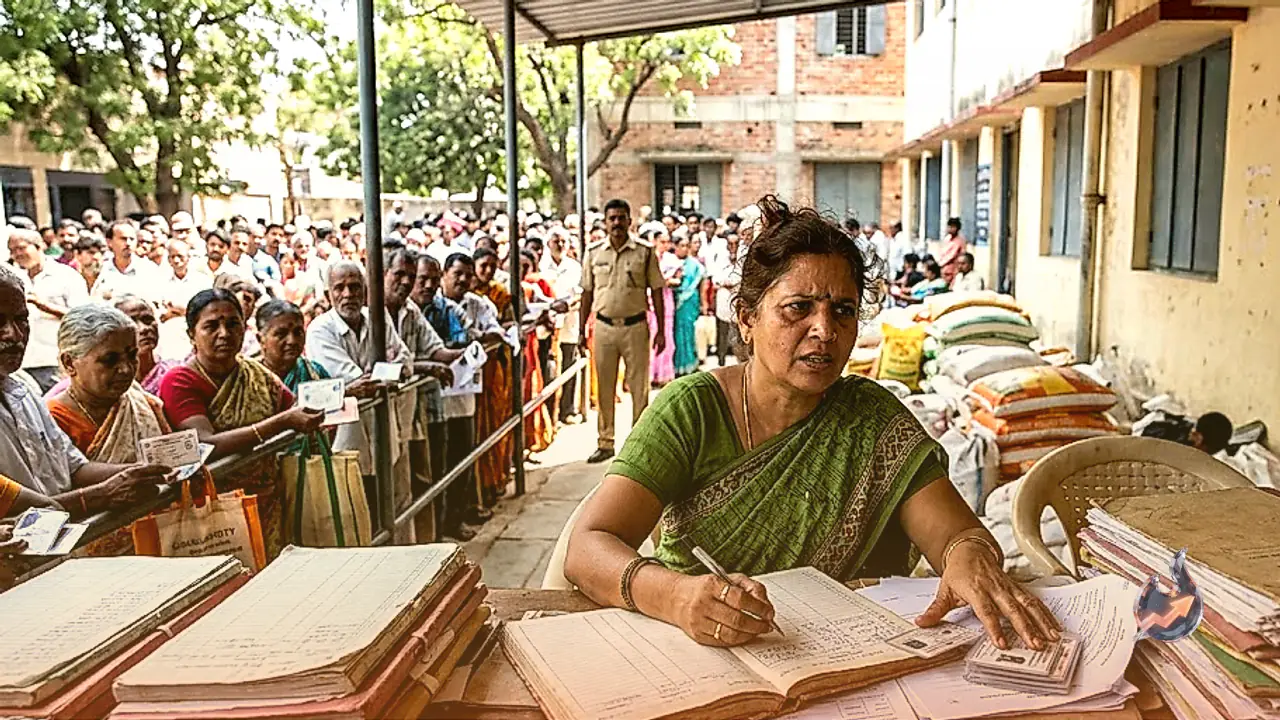
Data from the official FCRA portal provides comprehensive context on the scale of foreign contribution licensing in India as of July 15, 2026. According to official records, there are currently 14,449 active FCRA certificates operating in the country. Conversely, a total of 22,498 certificates have been cancelled by regulatory authorities over time, while 15,212 certificates have lapsed and expired due to non-renewal procedures.