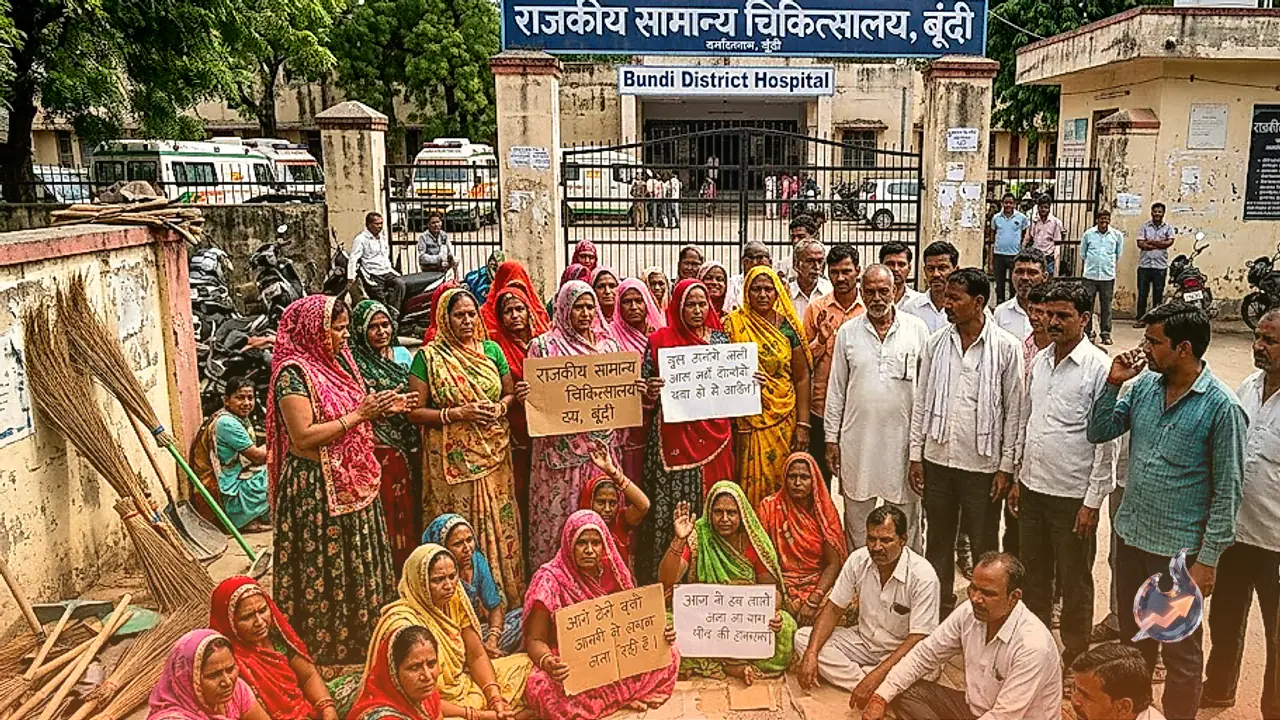

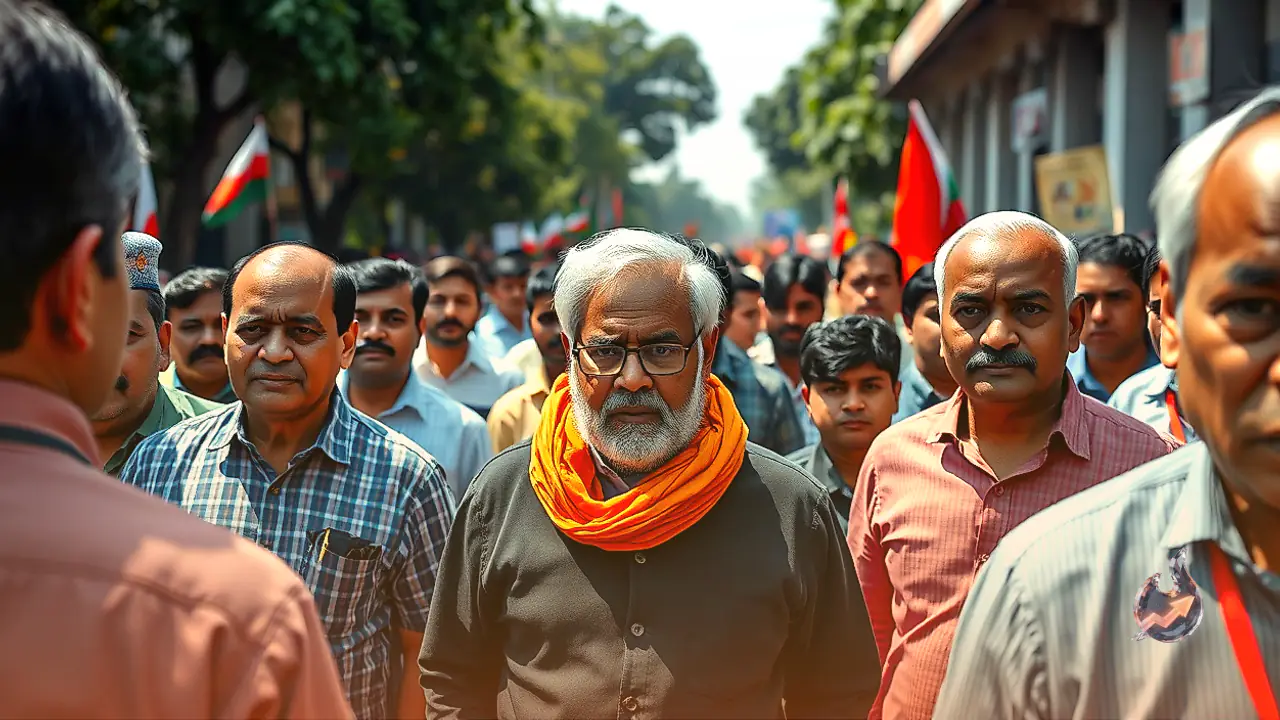
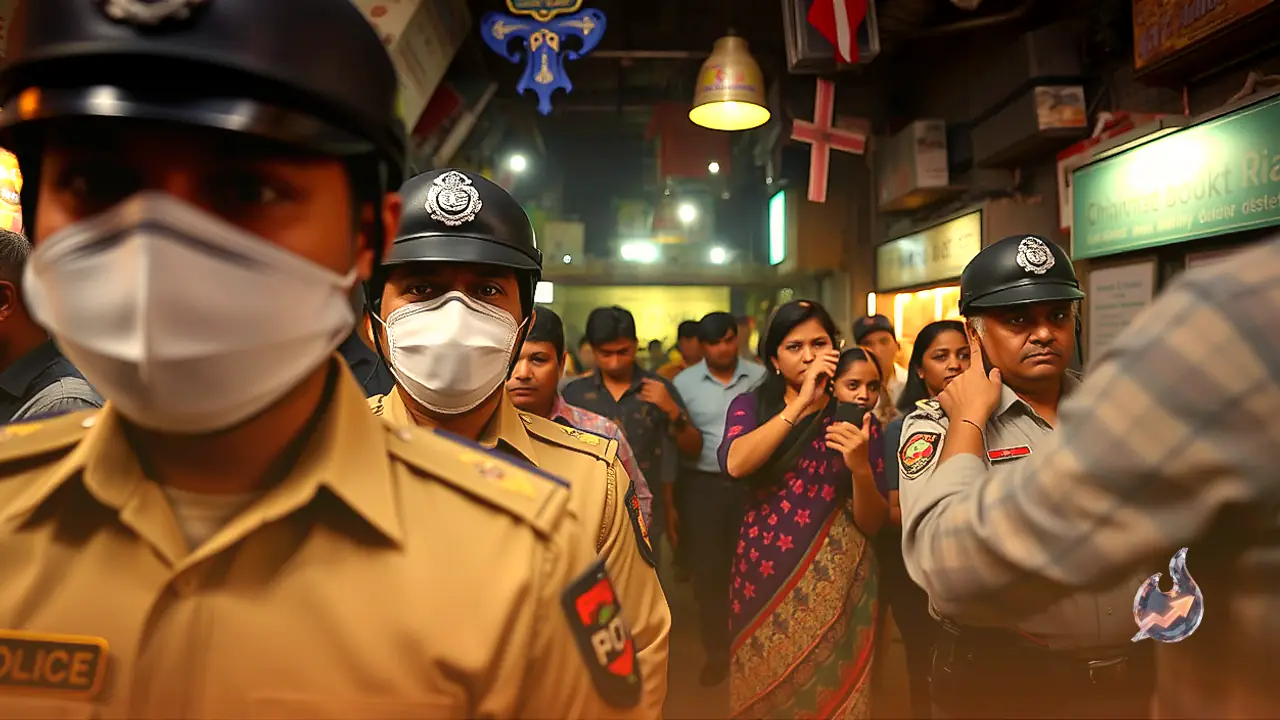














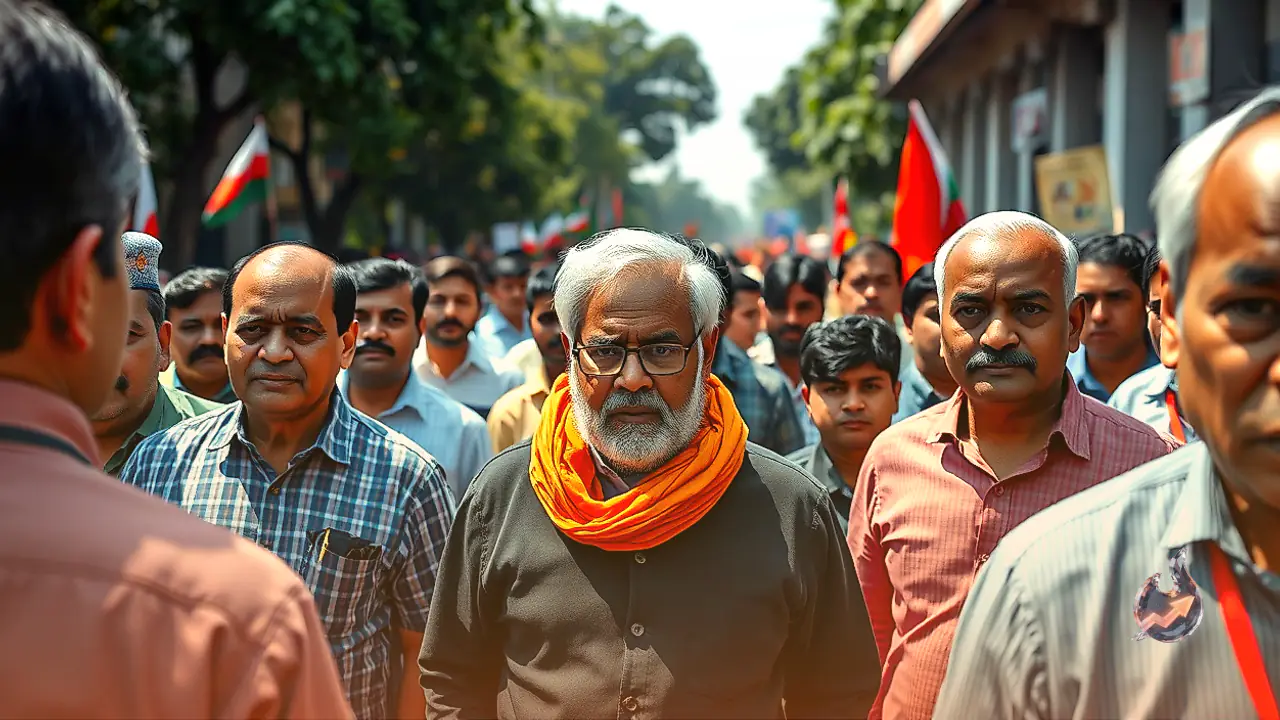

Tensions ran high in the national capital following the detention and subsequent conditional release of senior leaders belonging to the Cockroach Janata Party. The political outfit had called for a major demonstration at Jantar Mantar to demand the resignation of Chief Election Commissioner Gyanesh Kumar, but three of its most prominent figures were intercepted by Delhi Police as soon as they arrived in the city. The sequence of events that unfolded on Saturday remained a focal point of administrative scrutiny throughout Sunday, culminating in their appearance before an executive magistrate in Delhi Cantt, who granted them release on the strict condition of maintaining peace and good behavior for a period of one year.
Detention, Bail Bonds, and the Executive Magistrate's Order
Ratna Singh, head of legal affairs for the CJP, confirmed the release and shared details of the proceedings. According to Delhi Police officials, preventive action had been initiated against Abhijeet Dipke, Sourav Das, and Ashutosh Ranka under Sections 126 and 170 of the Bharatiya Nagarik Suraksha Sanhita (BNSS). The executive magistrate permitted their discharge only after each leader furnished a bail bond of 50,000 rupees along with a formal undertaking to keep the peace for twelve months.
From a legal standpoint, preventive custody is intended primarily to avertthe imminent breach of public order or forestall the commission of cognizable offenses. Imposing a one-year peace bond does not equate to a judicial finding of guilt or a criminal conviction against the three leaders. The precise scope of the undertaking, as well as the potential legal consequences should its conditions be breached, will remain governed by the provisions of the magistrate's formal order and relevant statutory frameworks.
Underlying Grievances and Claims Over Voter Rights
The party had originally designated October 10 as the date for its gathering at Jantar Mantar. At the core of the Cockroach Janata Party's agitation is a direct push for Chief Election Commissioner Gyanesh Kumar to step down from his post. The party contends that the ongoing Special Intensive Revision (SIR) of electoral rolls suffers from critical procedural flaws, which it argues could undermine basic voter rights across constituencies.
Conversely, official representatives from the Election Commission and the central government have consistently maintained an alternative viewpoint regarding the integrity of the electoral process. Authorities maintain that revision exercises follow rigorous protocols to protect voter inclusion. Despite these conflicting positions, the CJP decided to push ahead with on-ground mobilization, only for its key figures, including Abhijeet Dipke, to be taken into preventive custody right before the planned demonstration could materialize.
Agitation Push Persists Amid Stringent Security Protocols
The release of the detained trio did not signal an end to the political standoff. Ajinkya Shinde, who oversees organizational affairs for the CJP, reiterated a fresh appeal on Sunday urging party supporters to proceed toward Jantar Mantar. The leadership advised workers to make their way to the capital and voice their dissent wherever police barricades or checkpoints halted their movement.
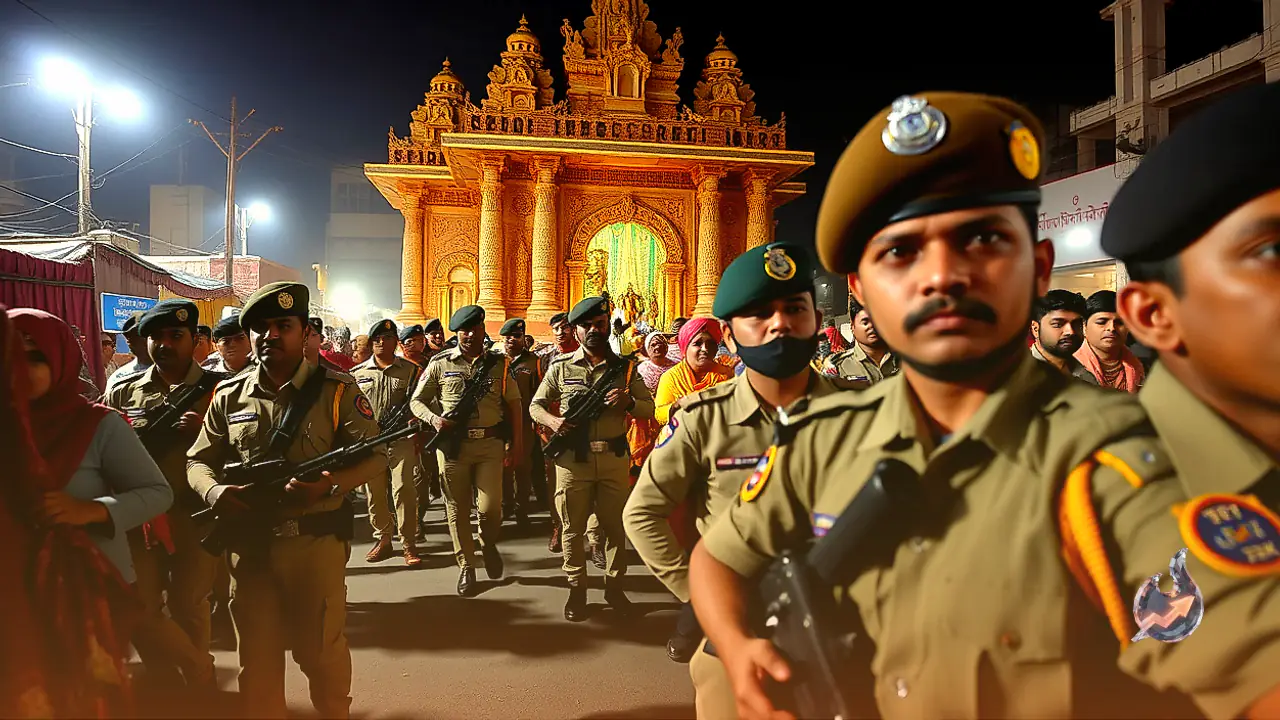
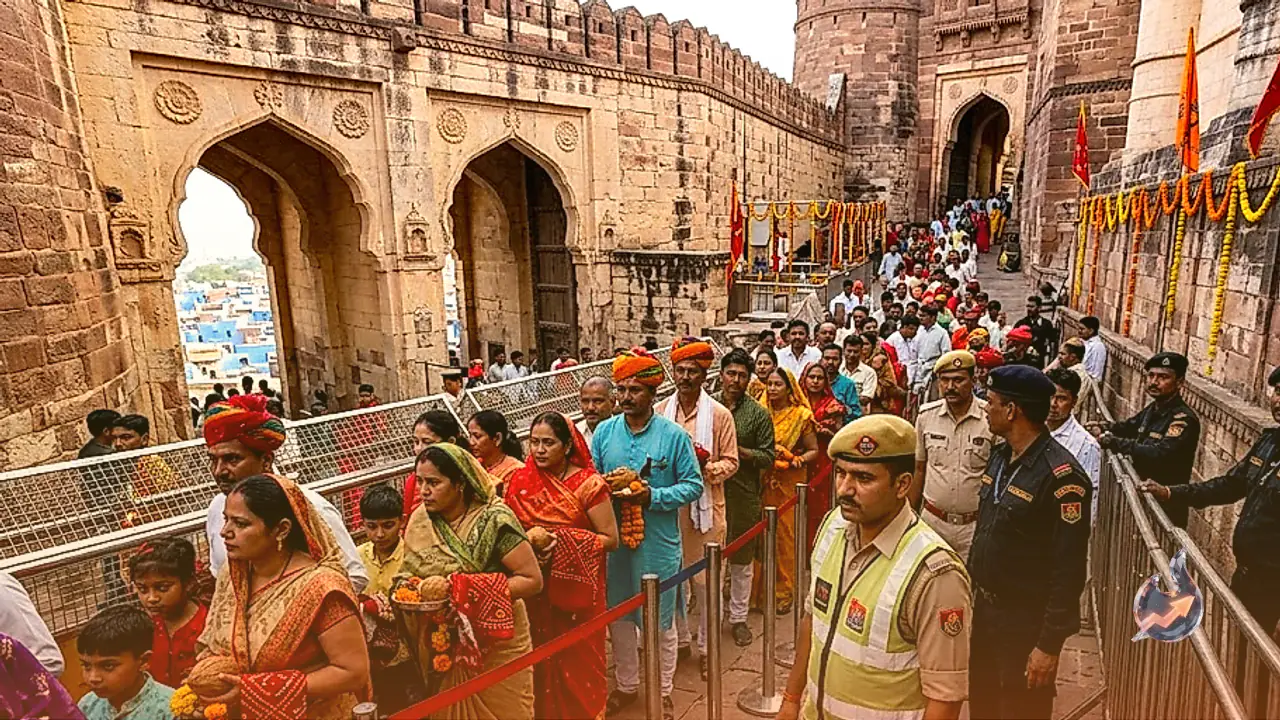
In response, Delhi Police maintained a tight security perimeter across the New Delhi district throughout Sunday. Administrative directives prohibited the gathering of five or more individuals for protests in restricted zones, warning that unauthorized assemblies would result in immediate detention. These rigorous restrictions pose significant operational hurdles for the party as it tries to sustain street mobilization under close surveillance.
Legal Consultation and Strategic Pathways for the Party
Confronted with denied protest permissions and preventive legal measures against its leadership, the CJP is exploring alternative avenues. Party strategists are expected to seek formal legal counsel regarding the denial of assembly rights and the detentions. However, in the absence of a confirmed court petition or formal litigation filing, any shift toward the judiciary remains an unfinalized plan.
Should physical gatherings remain heavily restricted by law enforcement, the party may lean into other channels to amplify its grievances. These alternatives include convening formal press briefings, launching targeted digital awareness campaigns, disseminating video messages, and leveraging public communication platforms to keep questions around the SIR exercise and voter rights alive in the public discourse.
The Weight of the One-Year Undertaking on Future Moves
The binding requirement to maintain good conduct and public peace for an entire year places meaningful legal parameters on how CJP figures operate going forward. When planning forthcoming public events, rallies, or demonstrations, party organizers will need to remain acutely mindful of the magistrate's directive and applicable statutory boundaries. The unfolding situation reflects a delicate friction between the constitutional freedom to assemble peacefully and the administrative imperative to preserve law and order.
While the CJP insists that it will not back away from raising questions about voter registration integrity, law enforcement authorities justify their interventions on grounds of preempting public disorder. Observers are now watching closely to see what organizational roadmap the party adopts in the coming days, and whether authorities take any revised stance on granting formal clearance for future assemblies.