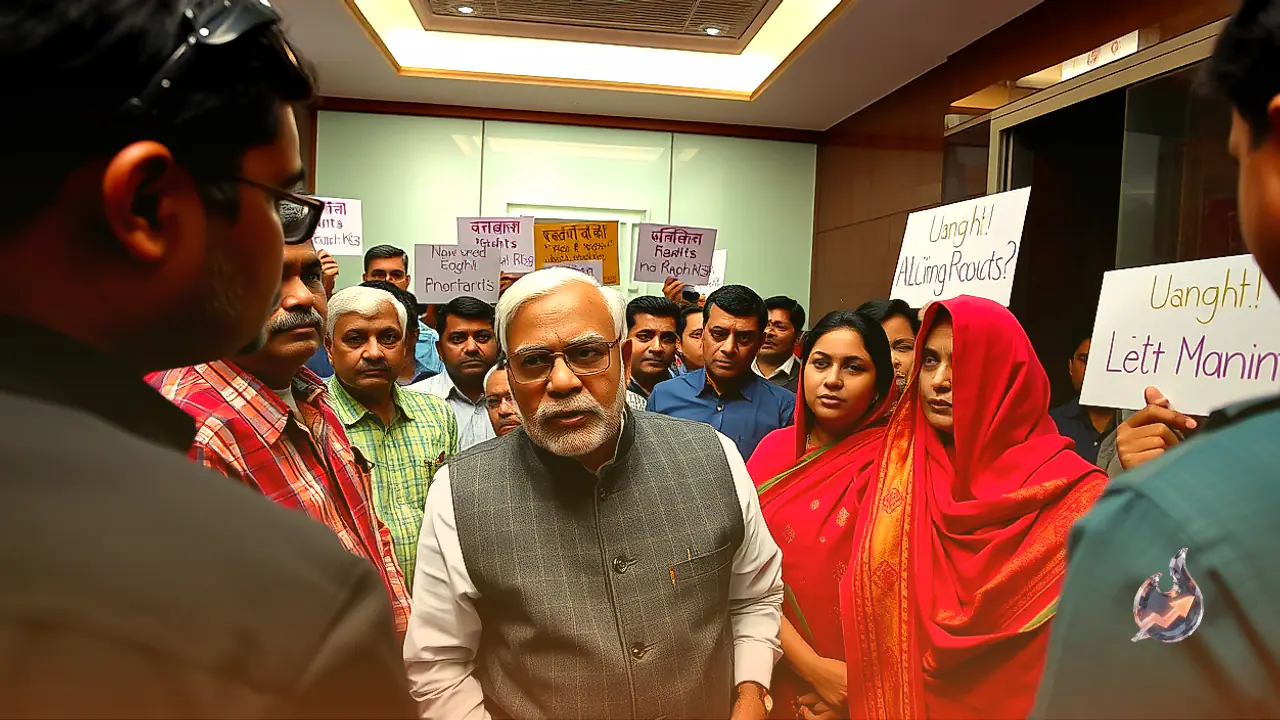





















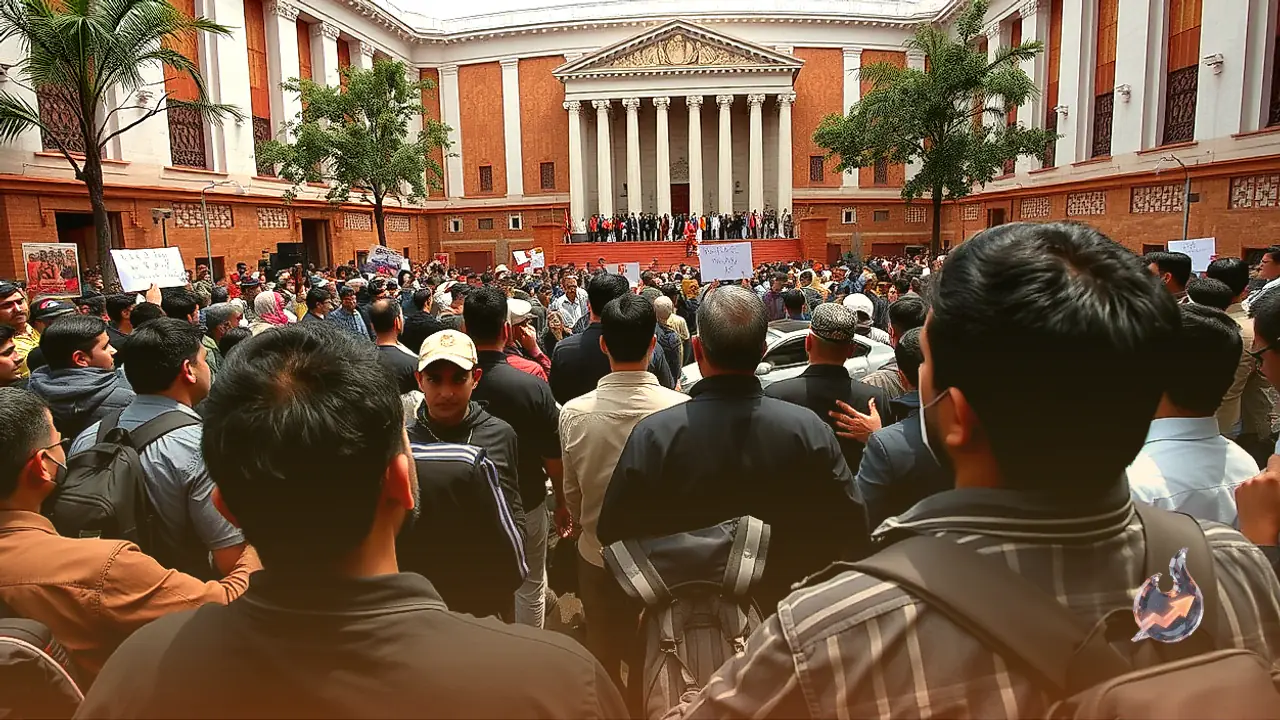

A high-stakes legal and administrative showdown has reached the Supreme Court of India following severe public transit restrictions and extensive police action against demonstrators in the national capital. Despite intensive crackdowns on Saturday, organizers from Citizens for Justice and Peace (CJP) have reaffirmed their call for a mass assembly, urging supporters to gather at Jantar Mantar at 10 AM on Sunday. The primary demand of the demonstration focuses on the immediate withdrawal of the SIR process, alongside public opposition directed against Chief Election Commissioner Gyanesh Kumar. While protest leaders maintain that their democratic agitation will proceed regardless of police intervention, heavy security deployments have blanketed Jantar Mantar and surrounding central districts, setting the stage for a critical Sunday.
Over 5,000 Detained Across the National Capital Region on Saturday
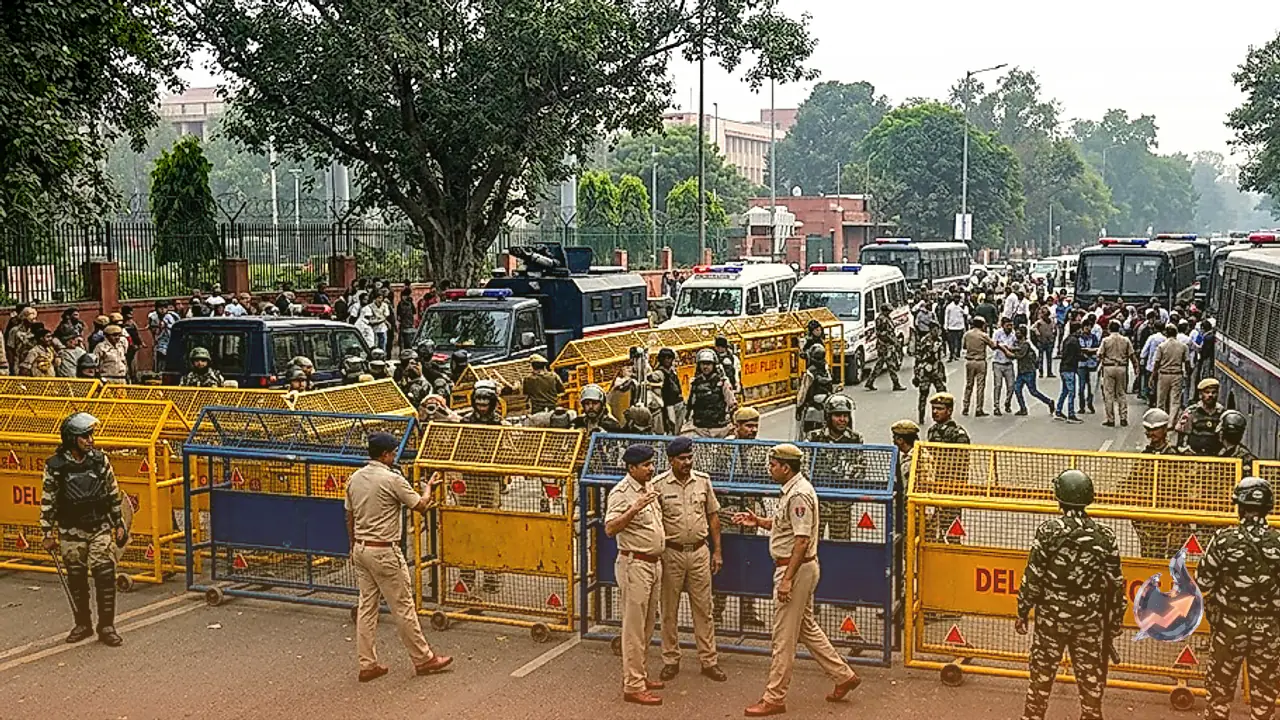
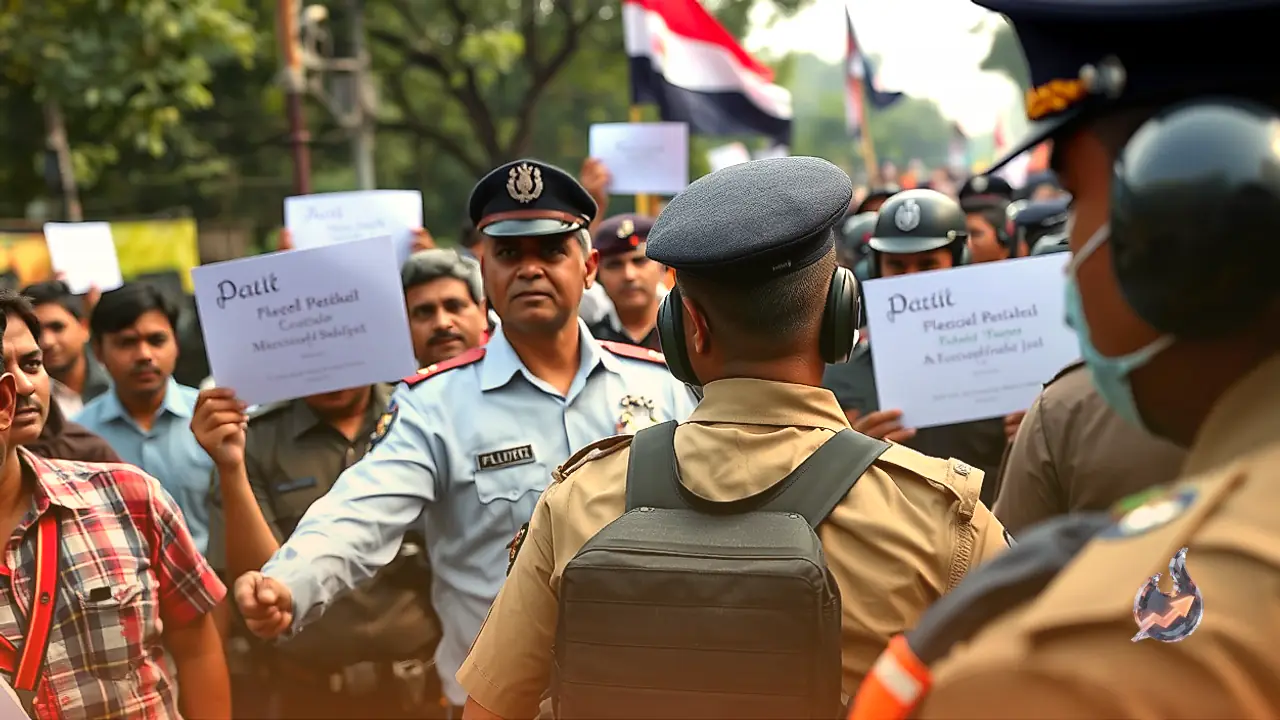
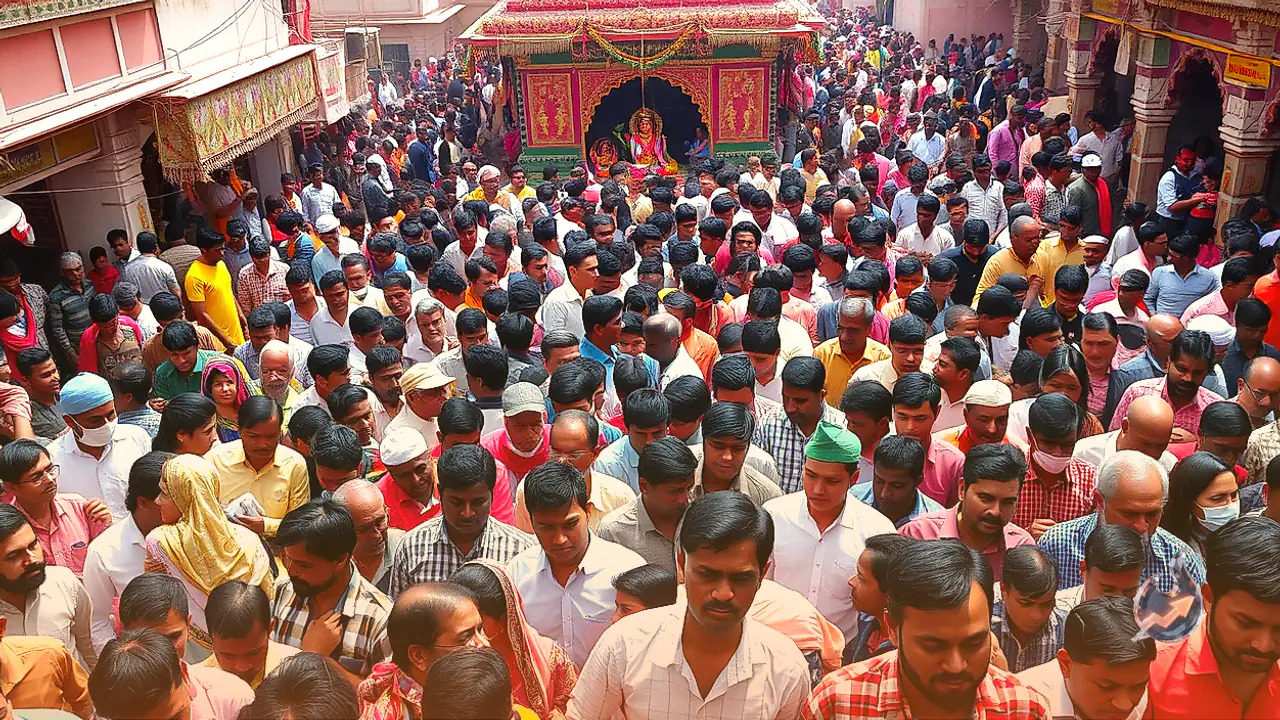
Security forces carried out extensive preventive operations across Delhi and the wider National Capital Region on Saturday to halt planned demonstrations. More than 5,000 individuals were taken into preventive custody during these coordinated sweeps. The detained individuals included political workers, civil society figures, and representatives from various student outfits. To house the unexpectedly large volume of detainees, authorities repurposed several local sports complexes into temporary holding facilities. Following procedural verifications, approximately 3,000 demonstrators were permitted to leave by late Saturday evening. Nonetheless, serious questions remain regarding the ongoing status and detention periods of the remaining individuals held by law enforcement.
Airport Interceptions of Key Organizers Trigger Urgent Legal Petitions
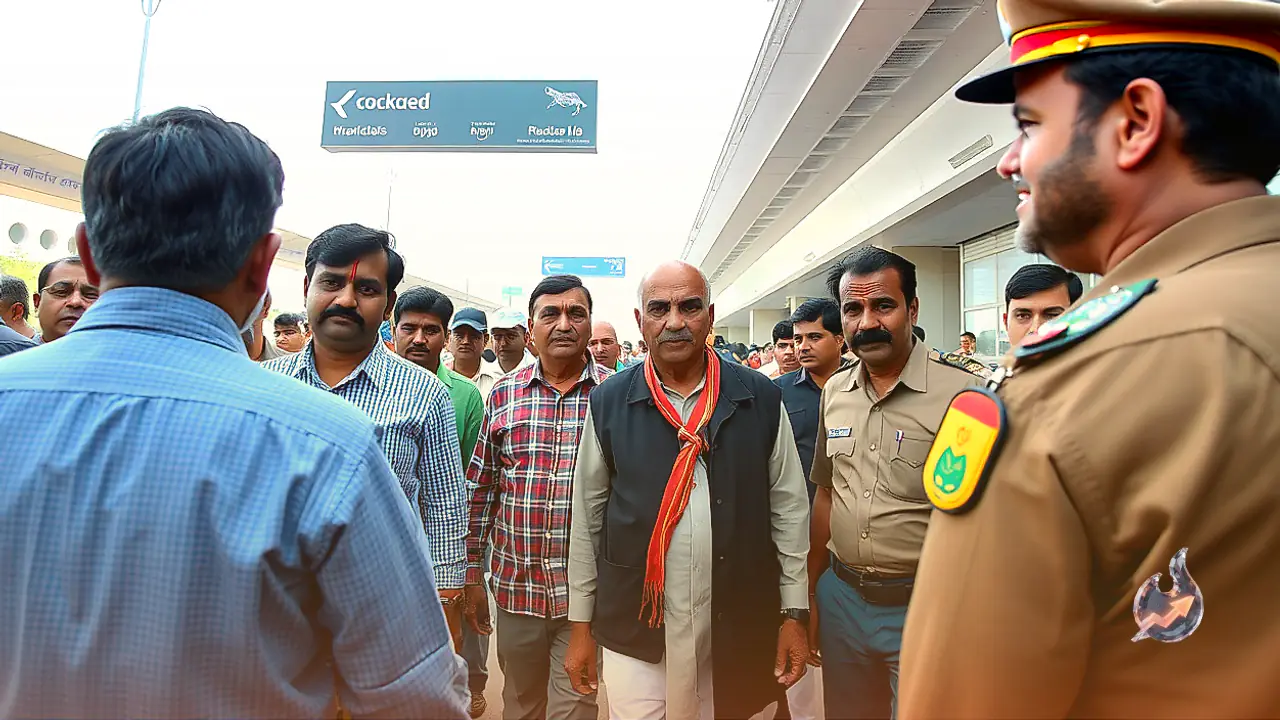
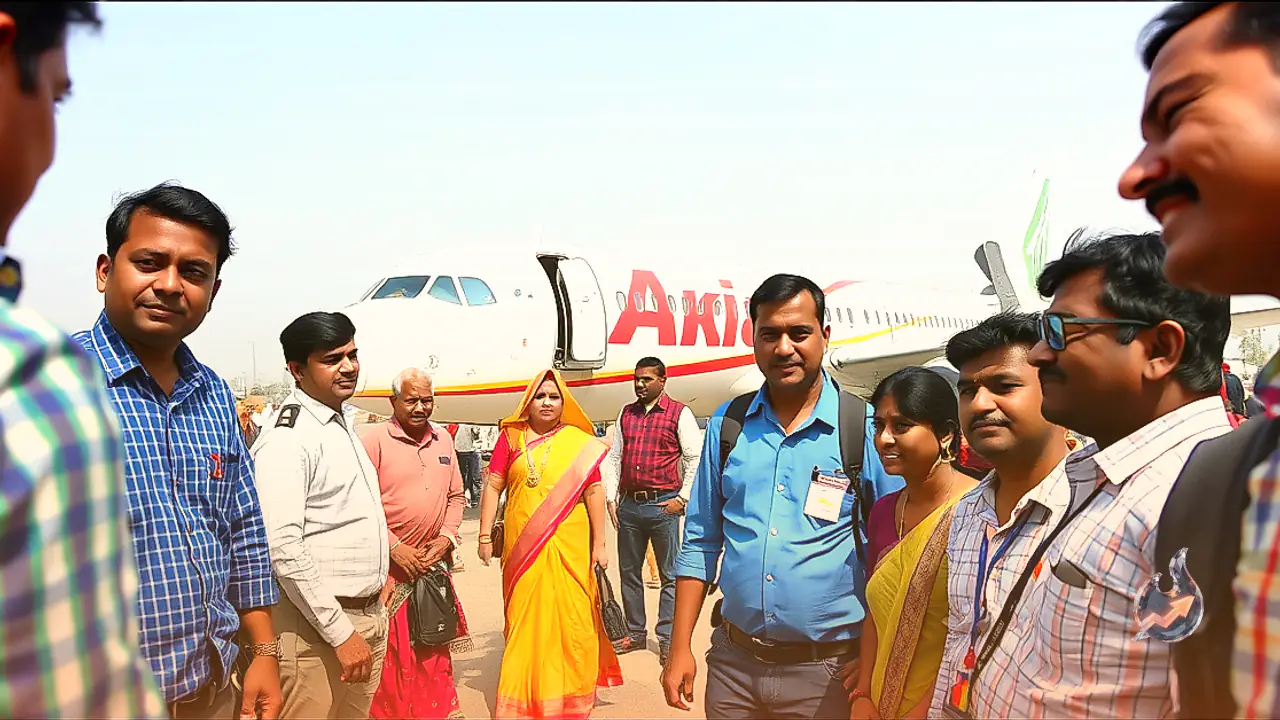
Widespread attention has centered on the interception of key organizers associated with the planned protests. Upon their arrival at Delhi airport, Abhijeet Dipke, Saurav Das, and Ashutosh Ranka were taken into custody by security personnel. Several social media influencers were also placed in detention during related operations across the capital. In response, urgent petitions have been moved before the judicial bench seeking the physical presentation of detained persons and demanding official disclosure of the formal grounds for their detention. This legal process aims to establish the precise whereabouts of the individuals and subject the validity of the state's custody measures to immediate judicial scrutiny.
Widespread Commuter Disruption Following Stringent Transit Shutdowns
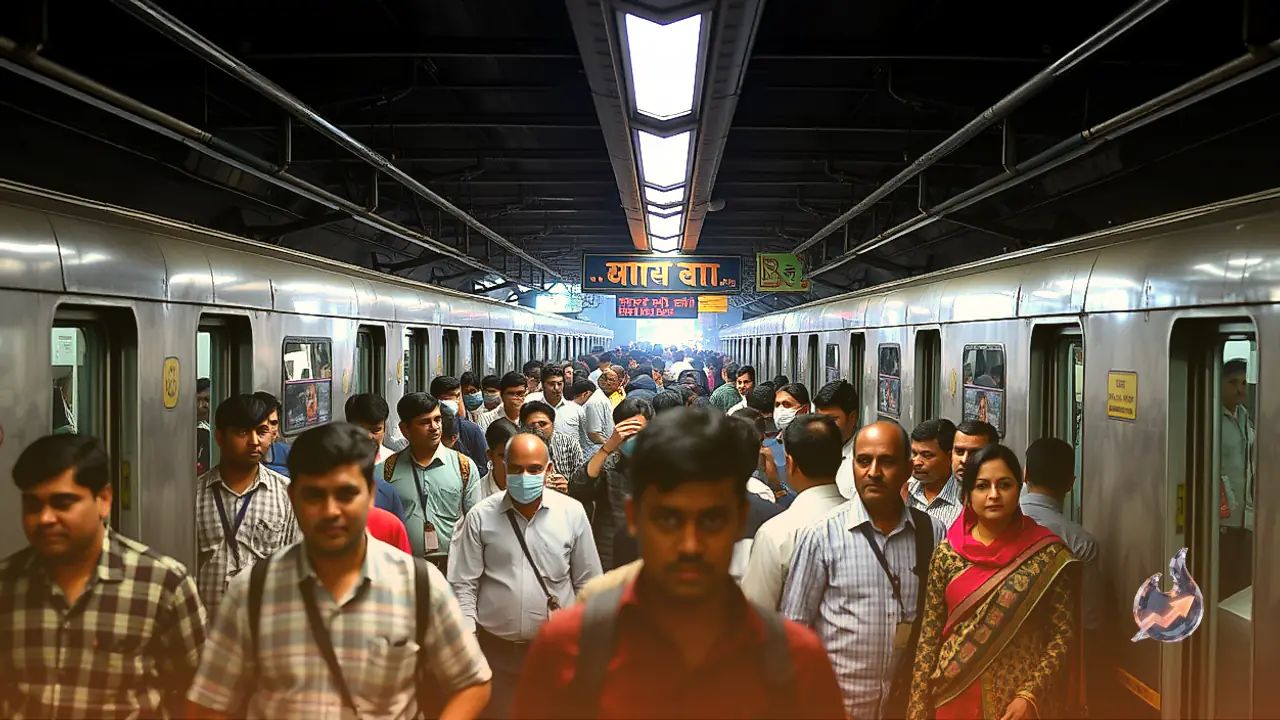
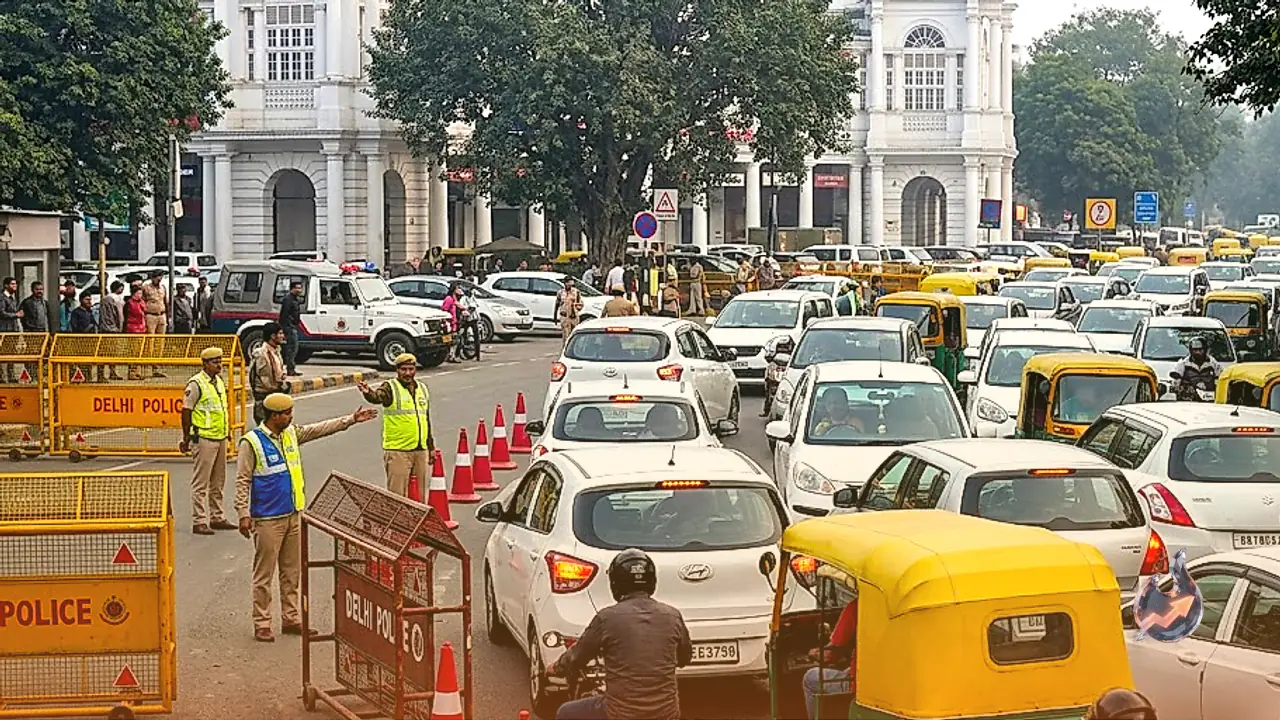
Rigid containment strategies targeting public mobility caused acute hardship for regular commuters across Delhi on Saturday. Initial operational directives mandated the complete shutdown of 57 Delhi Metro stations across central corridors. The Delhi Metro Rail Corporation, known as DMRC, subsequently modified this list, reducing the tally of shuttered transit hubs to 45 stations. Concurrently, strict operational curbs were placed on passenger rail traffic, affecting mail and express trains scheduled to arrive at New Delhi Railway Station and Hazrat Nizamuddin Railway Station. These widespread transit freezes left thousands of passengers stranded, triggering widespread backlash over the disproportionate suspension of essential civic infrastructure.
Justice Joymalya Bagchi and Justice V. Mohana to Convene Special Bench
Faced with urgent challenges concerning transit closures and civil detentions, the Supreme Court has scheduled a rare Sunday special hearing. A dedicated bench comprising Justice Joymalya Bagchi and Justice V. Mohana will preside over the proceedings to evaluate the legality of the administrative measures. A contempt plea filed by advocate Shailendra Mani Tripathi contends that administrative authorities deliberately violated clear directives issued by the court on October 9. The bench is tasked with reviewing these allegations alongside official explanations to determine whether any willful breach of judicial orders occurred during Saturday's heavy-handed enforcement operations.
The October 9 Framework Established in M A Baby v. Union of India
The broader legal debate stems from precedents established during hearings held on October 9 in the case of M A Baby v. Union of India. During those proceedings, the Supreme Court specifically scrutinized administrative decisions that restricted public transit networks in response to public protests. That hearing reviewed the closure of metro stations and the curtailment of passenger trains arriving at major hubs such as New Delhi and Hazrat Nizamuddin railway stations. The court had recognized that while authorities retain the discretion to regulate traffic flows for verified security requirements, they must make necessary alternative arrangements rather than imposing blanket shutdowns on essential public transport.
Contempt Allegations Name Home Secretary, Police Chief, and DMRC Head
The contempt petition submitted by advocate Shailendra Mani Tripathi specifically names high-ranking administrative figures, seeking disciplinary proceedings against Union Home Secretary Govind Mohan, Delhi Police Commissioner Anurag Kumar, and DMRC Chairperson D. Thara. The plea claims that these officials maintained aggressive transit closures despite direct judicial warnings against paralyzing citizen movement. The petitioner argued that these administrative directives unnecessarily disrupted ordinary civic life across the city. The Supreme Court will examine official records and hear arguments from both sides before concluding whether the transit shutdown constituted a direct violation of previous court orders.
Habeas Corpus Move by Trinamool MP Menaka Guruswamy and Ground Security
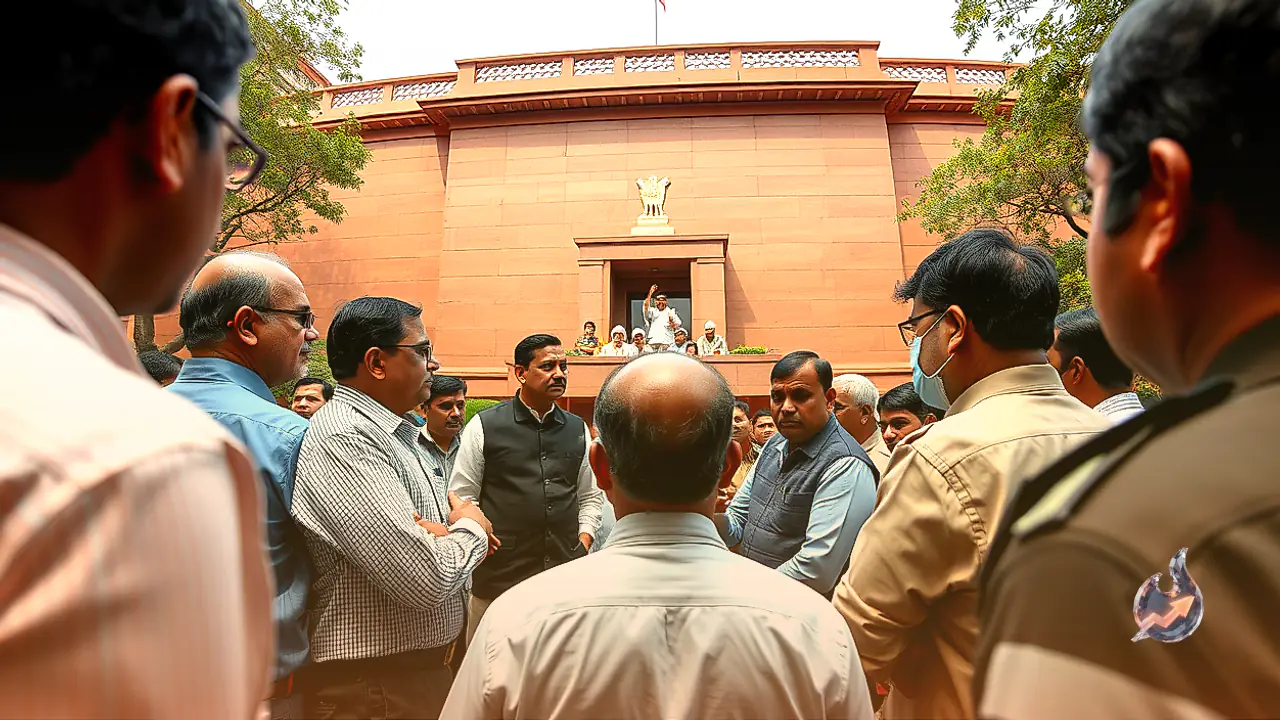
Adding to the legal pressure, a habeas corpus petition has been filed by senior advocate and Trinamool Congress Rajya Sabha MP Menaka Guruswamy. The petition seeks urgent judicial intervention into the status and welfare of citizens detained during Saturday's operations, requiring authorities to produce detainees and justify their deprivation of liberty under statutory safeguards. On the ground, security cordons around Jantar Mantar and Connaught Place remain exceptionally tight. While law enforcement authorities maintain that peaceful assembly is protected, they assert that unauthorized mass gatherings inside restricted security zones cannot be permitted. The developments inside the courtroom on Sunday will directly dictate how administrative and public events unfold across the capital.