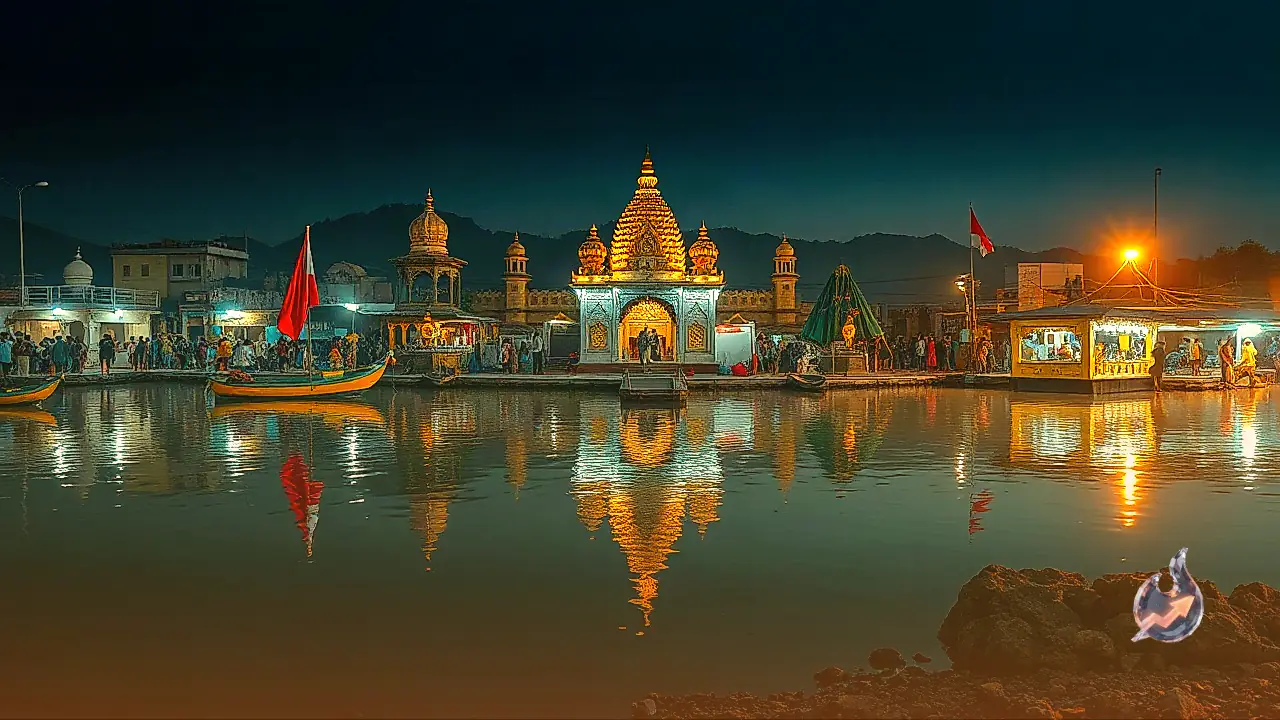

























The worsening condition of Dal Lake, long regarded as the crown jewel of Kashmir, has raised serious concerns among residents and environmental experts alike. Once celebrated globally for its pristine beauty and charm, major portions of the lake are now overwhelmed by garbage, invasive weeds, and severe sewage contamination. According to scientific research, Srinagar generates around 201 million liters of sewage every day. Out of this total volume, approximately 73 percent, translating to 147 million liters, flows untreated directly into Dal Lake and the Jhelum River.
The Mounting Pressure on Water Sources
Both Dal Lake and the Jhelum River serve as vital lifelines for Srinagar and the wider Kashmir region. However, decades of rapid population growth, unregulated construction, massive waste generation, and flawed drainage management have placed immense strain on these aquatic ecosystems. The continuous influx of raw sewage remains the most alarming issue. Long-term residents recall when the lake water was clean enough for daily rituals, whereas today the water emits foul odors and is heavily choked with thick layers of Azola and dense weeds in areas where lotus flowers once thrived.
Beyond Sewage: Multiple Factors Driving the Decline
Experts and local activists emphasize that the degradation is driven by several compounding problems rather than wastewater alone. Blockages at the Dal Gate and natural drainage outlets disrupt the natural flow of water, trapping pollutants inside the basin. Unchecked encroachments, rampant new constructions near the shoreline, and a general lack of proper solid waste management further compound the damage. In areas like Rainawari and downtown Srinagar, open drains continue to channel polluted runoff straight toward the primary water channels.
Impact on Tourism and Local Livelihoods
Dal Lake forms the absolute backbone of Kashmir's tourism sector, attracting travelers with its picturesque houseboats and iconic shikara rides. Local stakeholders warn that persistent neglect and visible pollution could deter visitors, directly threatening the livelihoods of thousands of families dependent on the tourism economy. Environmentalists also caution that the deteriorating water quality threatens local aquatic life and migratory bird species, disrupting the delicate balance of the entire regional ecosystem.
Government Response and Proposed Solutions
Chief Minister Omar Abdullah acknowledged that the lake's woes stem from decades of neglect rather than a recent failure, noting that immediate overnight solutions are impossible. The Lake and Waterways Development Authority (LCMA) along with local authorities are currently deploying mechanical weed harvesters, dredging equipment, and building sewage treatment plants. However, experts maintain that surface-level cleaning operations are insufficient; long-term salvation requires overhauling the city's entire underground sewage network, upgrading existing treatment plants, and strictly penalizing illegal waste dumping.